

When I look at overhead distribution projects, I usually find that the smallest protective devices are often the ones buyers worry about the most. A transformer may be expensive, a pole line may be difficult to repair, and one avoidable fault can quickly turn into downtime, service complaints, and unnecessary replacement costs. That is why I pay close attention to the role of a reliable Cut out Fuse. In this field, Wenzhou Xifa Electrical Equipment Co., Ltd. has gradually built its product direction around practical outdoor power protection, offering cutout fuse options for distribution lines, transformers, substations, renewable energy systems, and industrial power networks.
I do not see a Cut out Fuse as a simple accessory on a pole. I see it as a visible protection point, a maintenance-friendly isolation device, and a cost-control tool for utilities and project contractors. When a fault occurs, the fuse element responds before the fault spreads deeper into the system. When inspection is needed, the open position gives workers a clear visual break. That combination is exactly why many engineers still prefer this type of protection in medium-voltage overhead distribution.
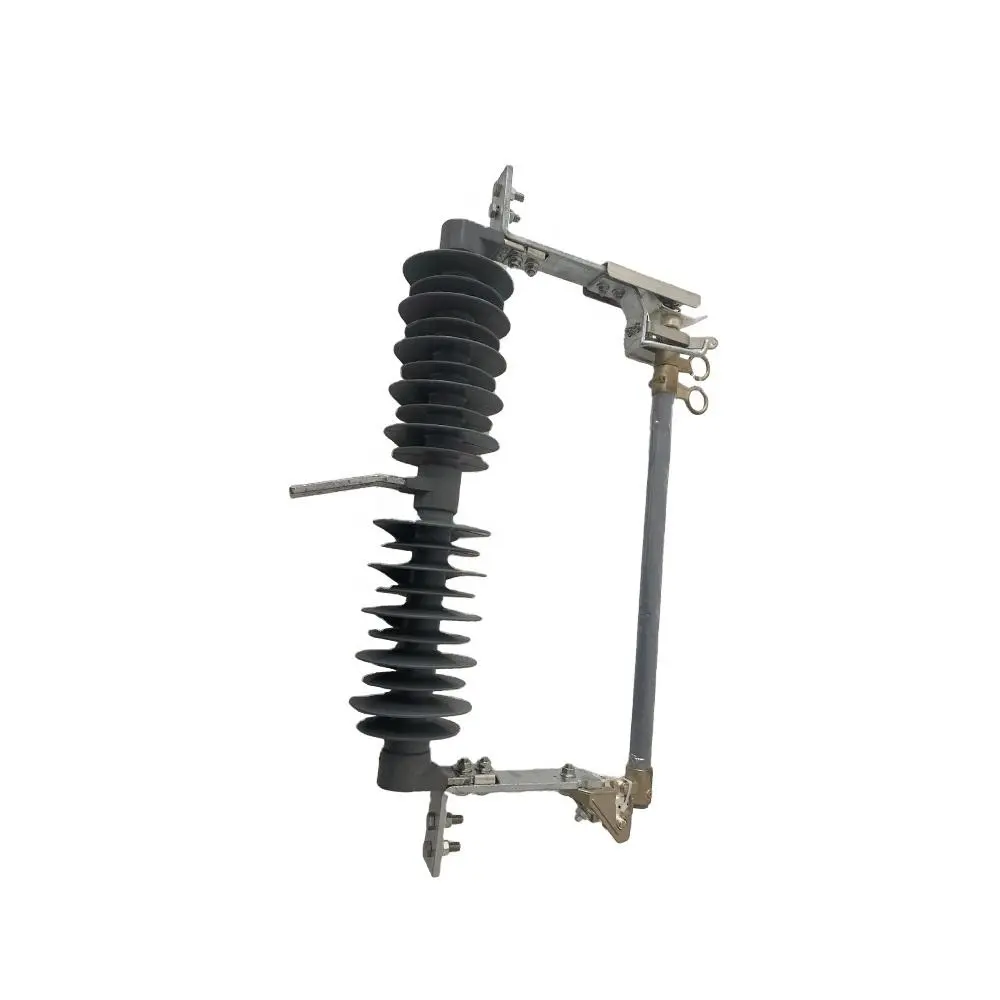
What Problems Does a Cut out Fuse Solve for Power Distribution Buyers?
From my experience, buyers are rarely asking for a fuse only because they need a part number. They are usually trying to solve a larger operational problem. They may need to protect a distribution transformer in a rural feeder, improve line safety in a commercial area, reduce outage risk near a substation, or prepare stock for maintenance teams that work across different voltage classes.
A well-selected Cut out Fuse helps address several practical concerns at the same time:
- It helps protect transformers and overhead lines from overload and short-circuit faults.
- It provides a visible disconnecting point for safer field maintenance.
- It allows faster identification of the faulted section after fuse operation.
- It reduces the chance of more expensive downstream equipment damage.
- It supports outdoor installation in changing weather, UV exposure, pollution, and humidity.
- It can be matched with different voltage levels, current ratings, insulation materials, and project standards.
I prefer products that solve more than one problem, because power distribution work is never just about buying a component. It is about keeping service stable, protecting crews, controlling maintenance costs, and making sure the installed product can handle real outdoor conditions year after year.
Why Is a Cut out Fuse Still Used So Widely in Overhead Power Lines?
Some buyers ask whether modern grids still need this type of fuse protection. My answer is yes, especially where overhead distribution lines remain common. The reason is simple. A Cut out Fuse gives protection and isolation in one compact outdoor device. It does not require a complicated enclosure, and it can be operated and inspected by trained maintenance personnel with familiar tools.
In many distribution networks, simplicity is not a weakness. It is a strength. A protection device that is easy to recognize, easy to replace, and easy to maintain can reduce downtime in the field. When crews need to restore power quickly, a visible drop-open indication can save time. That matters in rural networks, industrial feeders, utility maintenance routes, and temporary power expansion projects.
| Buyer Concern | How a Cut out Fuse Helps | Why It Matters in Real Projects |
|---|---|---|
| Transformer damage | Interrupts abnormal current before faults spread | Helps reduce costly transformer replacement and long outage periods |
| Maintenance safety | Provides a visible open point after operation | Allows field teams to confirm isolation more easily |
| Outdoor exposure | Uses porcelain or polymer insulation options for outdoor environments | Supports long-term use under sunlight, rain, dust, and pollution |
| Inventory pressure | Can be selected by voltage, current, structure, and material | Helps contractors standardize procurement for multiple projects |
| Project compatibility | Supports different system requirements and installation conditions | Reduces mismatch risk during line construction or replacement |
How Do I Judge Whether a Cut out Fuse Is Built for Real Outdoor Conditions?
I never judge outdoor electrical equipment only by its name. I look at the structure, material selection, contact reliability, insulation performance, and whether the supplier understands field installation. A Cut out Fuse installed on a pole may face heat, cold, rain, dust, UV exposure, salt mist, vibration, and switching operations over its service life. If the product is not designed for those conditions, the cost of failure will be much higher than the purchase price difference.
When reviewing a fuse cutout, I usually check these points first:
- Insulation material Whether the buyer needs porcelain insulation, polymer insulation, or a specific option based on pollution level and mechanical requirements.
- Rated voltage Whether the product matches common distribution classes such as 11kV, 15kV, 20kV, 22kV, 24kV, 27kV, 33kV, or other project requirements.
- Rated current Whether the current level suits the transformer capacity and feeder protection plan.
- Fuse tube quality Whether the tube has sufficient weather resistance, mechanical strength, and arc-extinguishing reliability.
- Contact design Whether the conductive parts can maintain stable electrical contact after outdoor exposure and operation.
- Hardware strength Whether mounting parts are suitable for pole installation, handling, and long-term mechanical stress.
- Testing process Whether inspection and factory testing are used to reduce batch quality risk.
This is where I think Xifa’s product positioning is practical. Instead of only selling one generic model, the company provides multiple product options, including polymeric and porcelain drop out fuse designs, different voltage classes, and models for line distribution and transformer protection. That gives buyers more room to match the device to the actual grid environment.
Which Cut out Fuse Features Matter Most When I Want Fewer Field Problems?
The best product advantage is not the one that sounds impressive in a brochure. It is the one that prevents trouble after installation. For a Cut out Fuse, I care most about dependable protection, outdoor durability, easy operation, stable contact, and repeatable production quality.
| Feature I Look For | Practical Value | Buyer Benefit |
|---|---|---|
| Reliable fault isolation | The fuse element responds when abnormal current occurs | Helps limit equipment damage and reduce outage impact |
| Visible disconnection | The opened fuse holder gives a clear indication | Supports safer inspection and faster fault location |
| Weather-resistant insulation | Porcelain or polymer structures support outdoor service | Improves long-term stability in harsh environments |
| Strong fuse tube design | Helps handle arc interruption and environmental exposure | Reduces premature failure and maintenance complaints |
| Consistent factory inspection | Key components and finished products are checked before shipment | Helps buyers lower quality variation across batches |
| Customization support | Voltage, current, material, and project details can be discussed | Makes procurement easier for contractors and utility projects |
I especially value the visible disconnecting function. In field maintenance, uncertainty wastes time. When crews can see the fuse has operated, they have a clearer starting point for inspection. That does not replace proper safety procedures, of course, but it does make the distribution system easier to manage.
Is a Polymer Cut out Fuse Better Than a Porcelain One?
I would not say one is always better than the other. The right choice depends on the installation environment, project standards, handling requirements, and buyer preference. A polymer Cut out Fuse is often chosen for lighter weight and good resistance to certain outdoor conditions. A porcelain type is still widely used because many utilities trust its mechanical strength, insulation stability, and long operating history.
Here is how I usually compare them:
| Type | Typical Advantage | Where I Would Consider It |
|---|---|---|
| Polymer cutout fuse | Lighter structure, good outdoor weather resistance, easier handling | Projects that value lower weight, flexible installation, and modern distribution upgrades |
| Porcelain cutout fuse | Traditional insulation material, strong mechanical performance, familiar field acceptance | Utility networks, replacement projects, and systems where porcelain is already specified |
The smarter decision is not to choose by habit alone. I prefer to match the product to pollution level, installation height, climate, maintenance practice, and technical specification. A supplier that can discuss both options is more useful than one that only pushes a single design.
How Can a Cut out Fuse Reduce Procurement Risk for Contractors and Utilities?
Procurement risk often starts with unclear specifications. A buyer may know the line voltage, but not the complete installation requirement. A contractor may need fast delivery, but still has to satisfy end-user standards. A distributor may want competitive pricing, but cannot afford repeated complaints from the field.
A properly selected Cut out Fuse reduces those risks by giving buyers a more controlled protection solution. The product can be selected around voltage class, rated current, insulation material, fuse link compatibility, mounting structure, and project usage. When the supplier also understands inspection, packaging, and technical support, the buyer has fewer surprises after shipment.
I would suggest buyers prepare the following information before asking for a quotation:
- System voltage and rated frequency
- Rated current requirement
- Transformer capacity or feeder protection purpose
- Preferred insulation material such as porcelain or polymer
- Applicable standard or end-user technical specification
- Installation environment, including altitude, humidity, pollution, and temperature range
- Quantity, delivery schedule, and packaging requirement
- Any required certificates, test reports, or inspection documents
This information helps the supplier recommend the right model instead of guessing. In my view, that is one of the simplest ways to avoid wrong purchases, delivery delays, and product mismatch.
Do Different Power Projects Need Different Cut out Fuse Choices?
Yes, and this is where many buyers underestimate the product. The same basic protection principle can serve many applications, but the details may change from one project to another. A rural overhead line may care about weather resistance and easy replacement. A compact substation may need reliable transformer-side protection. A renewable energy project may need coordinated protection for outdoor electrical equipment. An industrial facility may care more about reducing unplanned downtime.
| Application | Main Requirement | How the Product Helps |
|---|---|---|
| Overhead distribution lines | Line section protection and visible fault indication | Helps isolate abnormal current and supports faster inspection |
| Distribution transformers | Primary-side protection against overload and short circuit | Helps prevent transformer damage from severe current faults |
| Rural power networks | Simple maintenance and outdoor durability | Works well in pole-mounted distribution systems |
| Renewable energy sites | Reliable outdoor protection for connected equipment | Supports fault isolation in exposed electrical installations |
| Industrial and commercial facilities | Stable operation and reduced downtime risk | Protects key distribution points from avoidable damage |
I like this kind of product because it fits real grid work. It is not just for one narrow use case. With the right specification, a Cut out Fuse can be used across utility, industrial, commercial, and infrastructure projects.
What Should I Ask Before Choosing a Cut out Fuse Supplier?
A good supplier should not only send a price. Price matters, but it is not the whole story. I always want to know whether the supplier can support technical selection, explain product differences, manage quality checks, and provide stable production for repeat orders.
Before I choose a supplier, I usually ask:
- Can the supplier provide both polymer and porcelain options?
- Can the product match my required voltage and current rating?
- Are key components inspected before assembly?
- Is each finished product tested before shipment?
- Can the supplier support OEM or ODM requirements when the project needs special specifications?
- Can the team provide installation guidance or technical communication before ordering?
- Does the supplier have experience with export packaging and overseas project requirements?
- Can the company maintain stable quality across repeat batches?
These questions make the buying process much clearer. In power equipment purchasing, I would rather spend more time confirming details before production than spend weeks solving problems after delivery.
Why Would I Consider Xifa for Cut out Fuse Procurement?
I would consider Xifa because the company focuses on practical distribution protection products and offers several fuse cutout options for different project needs. Its product range includes polymeric drop out fuse sets, porcelain thermal fuse cutouts, pole-mounted electrical fuse cutouts, and current-specific models such as 100A and 200A designs. That gives buyers more flexibility when selecting equipment for different network conditions.
What I find especially useful is the combination of product variety and technical communication. Buyers often need support not only in choosing a model, but also in confirming whether that model suits the intended voltage level, transformer side, overhead line condition, and end-user specification. A supplier that can discuss these details helps the buyer move faster and avoid avoidable mistakes.
For international buyers, the value is even clearer. A stable Cut out Fuse supplier should understand that overseas projects require more than product availability. They require consistent manufacturing, careful inspection, proper packaging, clear communication, and after-sales technical support when questions appear during installation or maintenance.
How Do I Make a Better Cut out Fuse Purchase Decision?
My recommendation is simple. Do not buy only by voltage and price. Start with the real operating environment, then match the product structure to the system requirement. Confirm whether the line needs a polymer or porcelain type. Check the rated current. Review the fuse tube, contact design, and hardware. Ask about testing and inspection. Then compare the supplier’s ability to support your project before and after the sale.
A reliable Cut out Fuse should help protect the power system, simplify maintenance, and reduce the chance of expensive failures. It should also give procurement teams confidence that the product can be installed and used without constant uncertainty.
If you are selecting fuse cutouts for overhead lines, transformer protection, rural distribution networks, renewable energy projects, or industrial power systems, I recommend discussing your project conditions with a supplier before placing an order. To review suitable models, confirm specifications, or request a quotation, leave an inquiry today and contact us. The right Cut out Fuse choice can make your power protection plan safer, clearer, and easier to maintain.