
Top Wheat Flour Mill Manufacturer: Innovation and Quality for Your Milling Needs
2026-08-12
In the competitive world of grain processing, finding a reliable partner is key to success. Meet PINGLE, a top wheat flour mill manufacturer that blends cutting-edge innovation with unwavering quality. Whether you're upgrading an existing line or building from scratch, our solutions are engineered to meet your unique milling needs—efficiently, consistently, and with a human touch.
Redefining Grain Processing with Smart Engineering
Smart engineering is not about bolting technology onto old machines—it’s a fundamental rethinking of how grain moves, breathes, and transforms. Modern processing lines now integrate real-time sensing and adaptive controls that respond to moisture shifts, grain hardness, and even subtle changes in ambient conditions. Instead of running on fixed recipes, these systems self-adjust mill gaps, sifting speeds, and aspiration rates moment by moment. The result is a dramatic leap in extraction rates and end-product consistency, all while using less energy. It’s engineering that works with the grain’s natural variability rather than fighting it.
What sets this apart is the fusion of mechanical precision with data-driven insight. Vibration signatures from roller mills can reveal developing bearing wear weeks before a failure; optical sorters now distinguish not just color but shape and surface texture, removing contaminants that traditional screens would miss. These aren’t isolated upgrades—they form a connected ecosystem where every machine shares its health and performance data. Maintenance shifts from reactive to predictive, and quality control becomes a continuous, automated conversation between processing stages. The outcome: fewer unplanned stops, longer equipment life, and flour or meal that meets tighter specs without manual tweaking.
Underpinning all of this is a design philosophy that prioritizes simplicity for operators. Touchscreen interfaces replace complex PLC sequences, offering intuitive dashboards that guide operators through changeovers and alerts. Training times shrink because the system suggests adjustments rather than requiring deep technical know-how. By embedding intelligence directly into the equipment, plants can run with leaner teams and still respond faster to market shifts—whether swapping between wheat varieties or producing specialty flours. Smart engineering, in the end, isn’t about machines replacing people; it’s about creating tools that amplify human skill and judgment.
Precision Milling for Consistent Flour Excellence
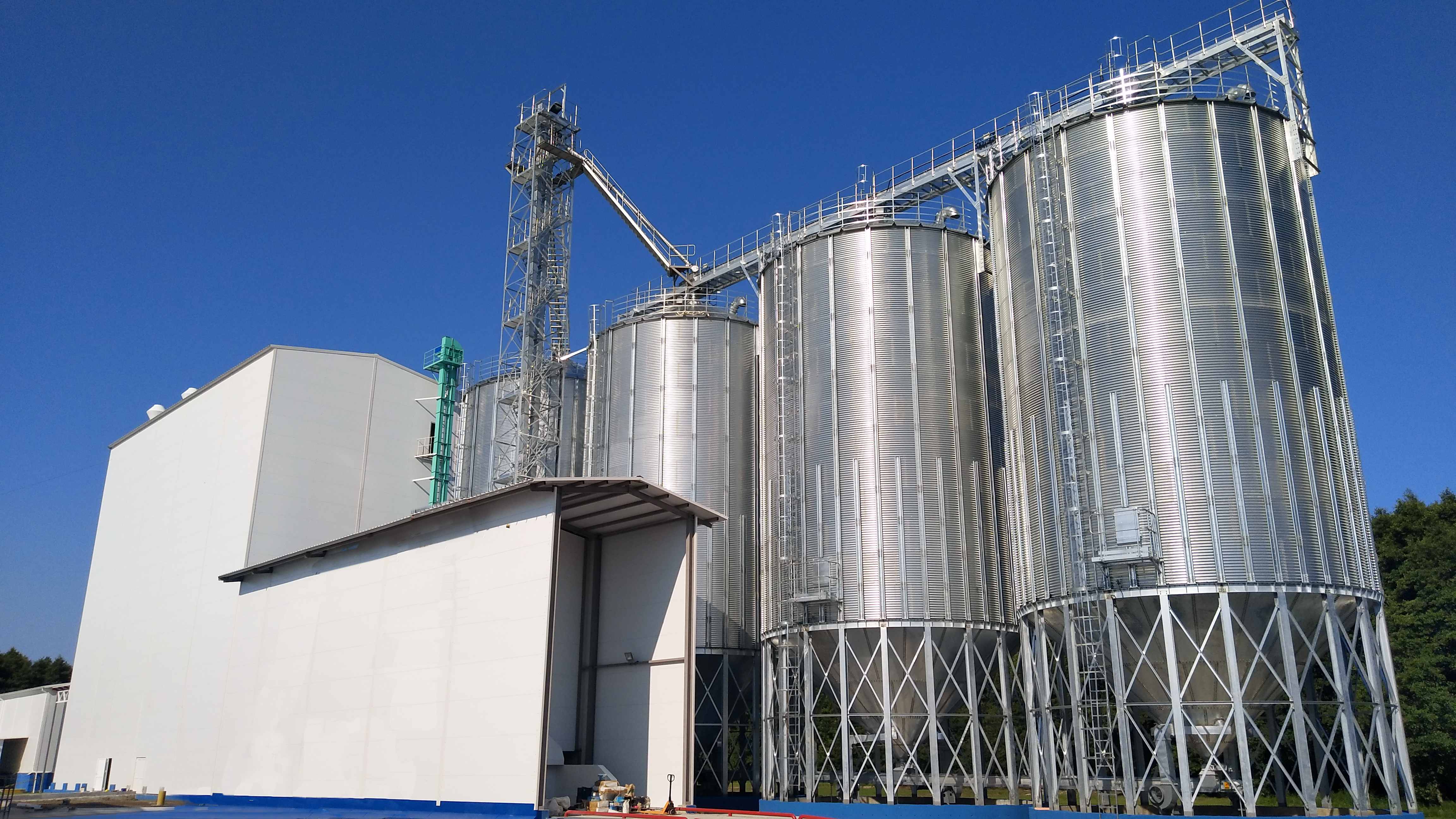
Every grain that enters our mill is treated with an almost obsessive level of care. We’ve engineered a multi-stage process where advanced roller mills, paired with real-time particle analysis, adjust down to the micron. This isn’t about simply crushing wheat—it’s about preserving the integrity of the starch granules and protein matrix so that each batch behaves identically, whether you’re crafting a delicate pastry or a robust artisan loaf.
Temperature control sits at the heart of our consistency promise. Unlike traditional methods that generate friction heat and can denature delicate gluten structures, our system circulates chilled air through the grinding chamber. The result? Flour that stays cool, stable, and enzyme-active, delivering the same predictable absorption rate and dough development time, shift after shift. Bakers tell us they can skip the usual trial-and-error adjustments when switching bags—a quiet testament to the precision we’ve built in.
We’ve also abandoned the one-size-fits-all approach to grain blending. Our sourcing team works directly with family farms, selecting specific varieties not just by protein content, but by kernel hardness and moisture profile. Then, in-house spectrometers analyze every incoming lot, allowing our millers to compose blends that hit exact performance targets. It’s this combination of human expertise and unflinching technology that turns raw wheat into a flour you can set your watch by.
Sustainable Practices Rooted in Modern Technology
Modern technology is quietly reshaping how industries approach sustainability, often in ways that feel less like a revolution and more like a natural evolution. Consider the energy sector, where smart grids now analyze consumption patterns in real time, adjusting supply to reduce waste without human intervention. Sensors embedded in equipment predict failures before they happen, preventing resource-draining breakdowns. These aren't futuristic concepts; they're already humming in the background of power plants and city infrastructure, cutting emissions while keeping the lights on.
Agriculture has undergone a similar transformation, moving from intuition-based farming to data-driven precision. Drones scan fields to spot dry patches, delivering water exactly where it's needed instead of flooding entire acres. AI models can predict pest outbreaks days in advance, allowing farmers to use targeted treatments rather than blanket chemicals. This shift doesn't just save money—it preserves soil health and local ecosystems, making food production more resilient without sacrificing yields.
Tailored Solutions for Diverse Flour Demands
From artisanal sourdough bread to delicate pastries, every creation demands a flour that matches its unique character. We craft each blend with precision, adjusting protein levels, ash content, and hydration properties to fit not just the recipe but the baker’s vision. Our milling process treats wheat as more than a commodity—it’s the starting point of a conversation about texture, flavor, and performance.
Industrial bakeries face different challenges than a neighborhood patisserie, and we respond with formulations that ensure consistency at any scale. Whether it’s a high-gluten foundation for chewy bagels or a low-protein softness for tender cakes, our approach considers fermentation times, mixing methods, and even local water qualities. We don’t offer off-the-shelf solutions; we listen first, then iterate until the flour behaves exactly as you need.
Behind every tailored blend is a partnership—our team works closely with growers and millers to trace grains back to the field, adapting to seasonal shifts and emerging trends. This isn’t about providing a catalogue of options; it’s about co-creating a flour that becomes an invisible but essential part of your signature bake.
From Raw Wheat to Fine Flour: A Seamless Journey
The transformation begins the moment golden wheat kernels arrive at the mill. Each grain carries a quiet promise—a blend of sun, soil, and season tucked inside its humble husk. We take the time to clean and temper the wheat, gently coaxing it to the ideal moisture level. This isn't a rushed industrial hustle; it's a patient, rhythmic preparation that softens the bran and readies the inner endosperm for what comes next. You can almost feel the wheat relaxing, letting go of the field and preparing to become something new.
Then comes the heart of the journey—the grinding. Instead of a single harsh crush, we guide the grain through a series of gradual reductions, each step calibrated to tease apart the starchy core from the outer layers without scorching or damaging the delicate structures. Think of it as a careful conversation between steel rollers and tender kernels, where the goal isn’t just to pulverize, but to preserve. The result is a cascade of particles, sifted and sorted with precision, as the flour slowly reveals itself—lighter, softer, impossibly fine.
In the end, what fills the sack isn’t just powder. It’s the culmination of a seamless flow—from field to mill to your kitchen—where every stage respects the wheat’s character. There’s a quiet satisfaction in knowing that this flour still remembers its roots, even as it stands ready to become your bread, your pastry, your story. No shortcuts, no compromises. Just a honest path from raw wheat to the feathery flour that dusts your fingertips with possibility.
Global Support and Trust Built Over Decades
Since our earliest days, we've woven reliability into every interaction. Clients across continents don't just come to us for solutions—they stay because we listen carefully, respond honestly, and treat their challenges as our own. That kind of bond isn't built overnight; it's forged through countless small moments of dependability, from a late-night call answered to a complex problem solved without fanfare.
What sets us apart isn't a flashy promise, but a quiet consistency. Over the years, we've earned the respect of partners who've seen us stand by them through economic shifts, technological leaps, and unforeseen crises. They know we won't disappear when a project gets tough or pivot for short-term gain. This steadiness has grown into a network of advocates around the world—people who recommend us not because they have to, but because they genuinely trust our work.
Behind every long-standing relationship is a team that never lost sight of what matters. We've expanded carefully, ensuring that each new office or service line carries the same ethos that started it all. Empathy and expertise aren't just buzzwords here; they're practiced daily. That's why a company we helped thirty years ago still calls us today—not out of habit, but because we continue to earn their faith, one meaningful result at a time.
FAQ
It’s not just capacity—it’s a blend of tailored engineering, consistent grind quality, and the ability to adapt to different grain types. The best manufacturers integrate smart monitoring and energy-efficient design into every line.
Real innovation shows up in things like automated roll gap adjustment, real-time particle size analysis, and systems that adjust for moisture without human intervention. These advances cut waste and keep the flour within spec 24/7.
A single batch of off-spec flour can ruin baked goods across an entire supply chain. Leading mill builders embed in-line sensors and automated sampling that catch deviations early, saving both reputation and revenue.
Absolutely. The hardware and flow diagrams can be adapted for durum, soft wheat, or even ancient grains. The key is working with a manufacturer that starts with your raw material and end product in mind, not a one-size-fits-all template.
It’s everything. A mill is a long-term investment. The best manufacturers offer remote diagnostics, on-site training, and wear-part management that keeps downtime to an absolute minimum.
Modern mills reclaim heat from motors, use variable frequency drives, and even recover fine particles that used to be lost. The result is lower kWh per ton and less waste, which impacts both the environment and your bottom line.
If you’re aiming for consistent quality and labor efficiency, yes. Automation doesn’t just replace workers—it brings precision that manual adjustment can’t match, especially in high-capacity runs.
Conclusion
As a top-tier wheat flour mill manufacturer, our approach combines intelligent engineering with time-honored milling wisdom to deliver equipment that performs reliably under demanding conditions. We design every machine to handle raw wheat with precision, transforming it into consistently graded flour through a process where advanced automation monitors and adjusts each stage. This seamless integration of smart controls and robust mechanics reduces waste and energy use, aligning with modern sustainability standards without compromising output quality. Our mills are built not just for efficiency but for resilience, ensuring that every batch of flour meets exacting specifications day after day.
Understanding that no two milling operations are alike, we tailor solutions to fit diverse production scales and flour types, from coarse semolina to ultra-fine bakery blends. Our engineering teams work closely with clients to configure lines that adapt to local grain varieties and market demands. Over decades, we have built a global support network rooted in trust, offering responsive service, genuine parts, and technical expertise that keep mills running smoothly. From project planning to ongoing assistance, we stand by our equipment, ensuring that your investment yields consistent returns through reliable, high-quality flour production.
Contact Us
Contact Person: Jiakuo Wu
Email: [email protected]
Tel/WhatsApp: +86-13011566087
Website: https://www.pinglemachine.com