

Top Solar Carport Mounting System Factories in China Worth Partnering With
2026-11-02
Sourcing solar carport mounting systems in China often starts with a flood of quotations—and ends with a pile of samples that fail under first snow load. That's why we went beyond brochures: verifying weld lines, coating thickness, wind tunnel reports, and actual export track records. One name that kept passing every filter is Egret Solar, a factory that pairs structural engineers with its own roll-forming lines. Below, we break down the top Chinese factories actually worth your RFQ, so you can skip the guesswork and move straight to site-ready components.
What Actually Happens on the Floor of a Top-Tier Carport Mounting Factory
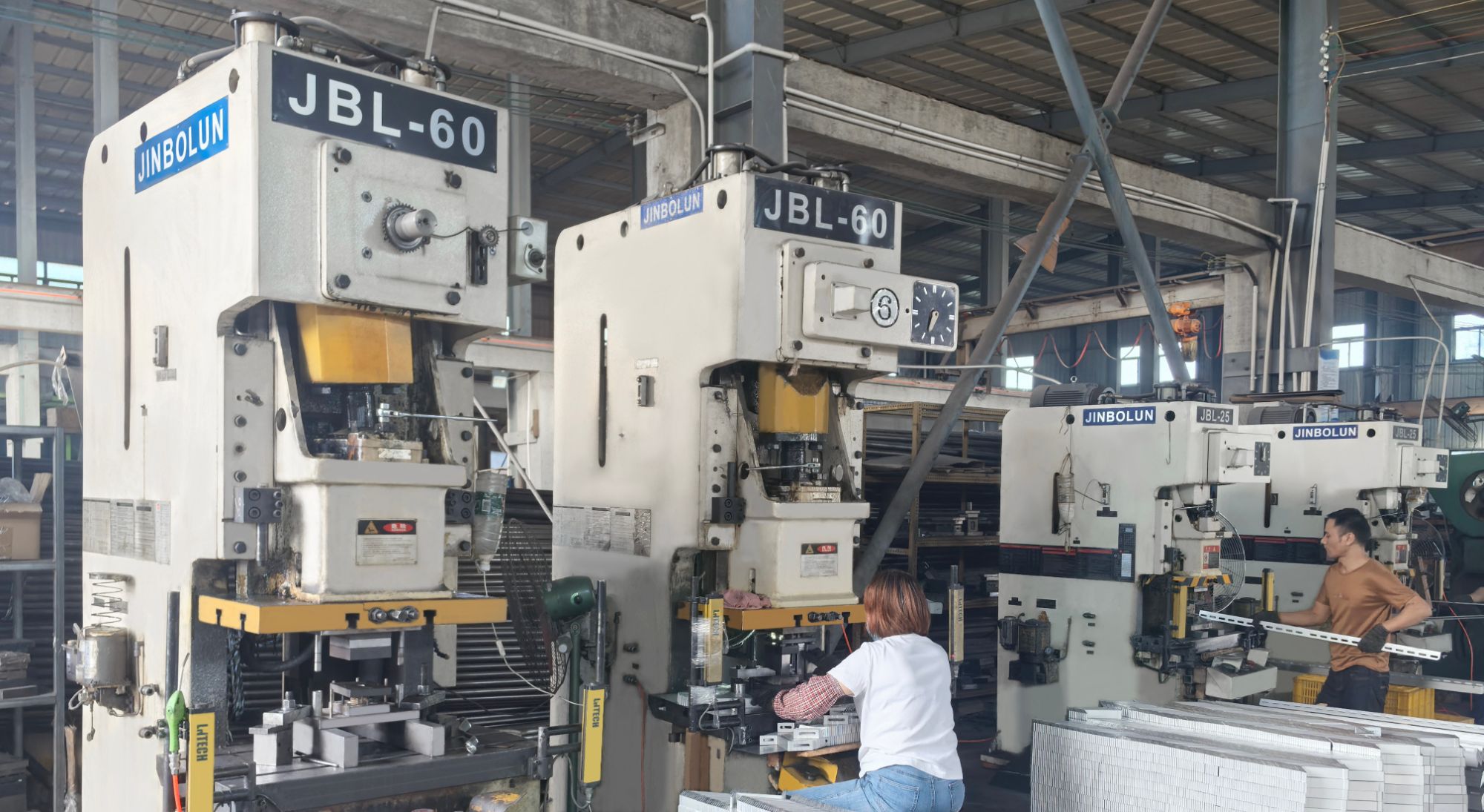
You'd expect a steady rhythm of drills and impact wrenches, and you'd be right, but the real story is in the quiet moments between. A team of three moves around a steel frame like they've done this a thousand times—because they have. One person checks hole alignment with a tapered pin, another hands over the next bolt without looking up, and the third runs a torque wrench to the exact spec painted on the jig. No one shouts. No one rushes. The line moves because every motion was mapped out the week before, and the only surprises come from a batch of brackets with a slightly rough edge that gets flagged and swapped before lunch.
Walk further down and you'll see the mounting base area, where anchor plates get laser-measured against a master template, then welded by a robot arm while a human supervisor watches the bead profile on a screen. The robots handle the repetitive heavy lifting—lifting a 40-kilo base plate isn't glamorous—but it's the workers who catch the subtle warping that a camera misses. They use a simple feeler gauge and a straight edge, and if the gap is off by more than half a millimeter, the piece goes to a rework cart. That cart is surprisingly small, not because defects are rare, but because the whole team knows the second shift will see every rejected part and ask why.
At the end of the line, a final assembly station bolts a complete carport module to a test frame, then hangs a five-kilogram weight from each corner for a full hour. It's not the flashiest test—no stress sensors or digital readouts—just a sandbag and a stopwatch. But when a weld fails, you hear it: a low, flat crack that makes everyone look up. The supervisor doesn't lecture. He walks over, points to the fracture, and the team disassembles the joint on the spot to trace the cooling rate. By the afternoon, a new parameter sheet is taped to the welder, and the next module passes without a sound. That's the floor: less about machinery, more about people who refuse to let a small flaw reach a customer's driveway.
The Steel Grades and Coating Choices That Decide How Long a Carport Lasts
Plenty of carport buyers focus on gauge numbers or roof style, but the steel grade underneath the paint is what really separates a structure that lasts twenty years from one that starts rusting in five. Structural grades like G550 or high-tensile AZ150 are common in well-built carports, with the “AZ” referring to the aluminum-zinc alloy coating weight. That coating is the first line of defense against moisture and coastal salt air, and it’s often more important than the steel thickness itself. Cheap imports may use a thinner metallic coating that passes a quick visual check but fails once scratches or cut edges are exposed to rain.
Beyond the base metal, the finish system matters more than most people expect. A standard polyester topcoat looks fine on day one but can chalk and fade within a few years under direct sun. PVDF or SMP coatings, though pricier, hold color and gloss far longer because their resin chemistry resists UV breakdown. For carports near the ocean, a primer layer with anti-corrosive additives under the topcoat is non-negotiable—salt spray creeps into seams and fastener holes, and once the zinc layer is consumed, rust spreads quickly along the panel edges.
The smartest approach is to match the steel and coating to your local environment rather than chasing the thickest panel. A 0.40 mm G550 sheet with a quality AZ150 coating will often outlast a thicker but poorly coated alternative. Ask your supplier for the exact coating designation—not just “galvanized”—and insist on seeing edge-corrosion test results if you live within a few miles of saltwater. That single detail can add a decade to the structure’s life.
Why Load Simulations and Wind Tunnel Data Matter More Than Price Tags
When you're chasing tenths of a second at the track, the sticker price becomes an afterthought. Load simulations reveal how a component behaves under lateral G-forces and braking stress that no showroom spec sheet can predict. Wind tunnel data tells you whether that sleek shape actually reduces drag or just looks fast on a poster. These numbers come from thousands of hours of testing, not marketing budgets.
Cheap parts often hide their compromises behind bold claims. Without validated simulation models, you're gambling that a suspension arm won't flex at the exact moment you need stiffness. Wind tunnel results separate genuine aerodynamic gains from decorative scoops and spoilers. A bargain that costs you lap time or safety ends up more expensive than the premium option it replaced.
Real-world performance is built on iterations of computer models and scale tests, not just material costs. When a manufacturer publishes load and aero data, they're showing you the engineering backbone—not just a polished surface. That transparency matters more than a lower invoice, because it tells you the part was designed to survive the forces you'll actually encounter.
Custom Mounting Geometry for Weird Roof Shapes and Uneven Ground
Most mounting systems assume a flat, rectangular roof or a level patch of ground—real installations rarely look like that. Dormers, curved eaves, corrugated metal profiles, and even ground that dips or rises a few degrees can throw off standard rail kits in ways that aren't obvious until the first panel goes up. Custom geometry starts with measuring the actual plane, not the blueprint. We map the surface with a laser or digital level, then cut brackets, spacers, and tilt legs to match those specific angles. Instead of forcing a square grid onto a parallelogram roof, the rails follow the true ridge line and eaves line, which keeps the array visually balanced and structurally sound.
Uneven ground flips the problem sideways. On a pitched field, a fixed-tilt ground mount can end up with one corner digging into the soil while the other floats above the grass. The fix isn't just longer legs—it's a set of adjustable base plates and swivel feet that let each upright sit plumb on its own patch of terrain. For really awkward slopes, we sometimes rotate the entire array a few degrees off due south so the rows step naturally downhill instead of fighting the contour. That shifts the footing loads and often reduces the amount of earthwork needed, which saves both time and the existing drainage pattern.
Weird roof shapes—like a hexagonal turret or a roof with multiple intersecting valleys—demand a different kind of thinking. You can't just run long rails across a valley and call it done; water needs a clear path, and the flashing has to work with the roof's existing seams. We'll build short rail segments between obstacles, use L-feet anchored into rafters rather than decking, and sometimes switch to a rail-less system with module-level clamps that bolt directly to standoffs. The result is an array that looks like it grew out of the roof, rather than a generic kit that was wrestled into place.
How Export-Ready Factories Handle Packaging, Documentation, and Damage Claims
When a factory routinely ships across borders, packaging decisions stop being an afterthought. Export-ready operations match materials to the longest leg of the journey—using double-wall cartons for ocean freight, moisture barriers for humid climates, and reinforced corner protectors for palletized loads. They also standardize internal packing so that a carton opened at customs can be resealed without compromising the product.
Documentation is treated as a live process rather than a set of static forms. The team updates commercial invoices, packing lists, and certificates of origin only after the final carton is sealed and weighed, not from earlier drafts. This prevents mismatches that trigger hold-ups at the destination port. Each shipment gets a unique reference that links the purchase order to the bill of lading, making it easy for buyers to trace exactly which version of a document applies.
Damage claims are managed before they become disputes. Factories photograph loaded pallets from multiple angles and keep those images tied to the shipment reference. When a claim does arise, they respond with the packing list, loading photos, and carrier inspection notes in a single thread, which speeds up settlement. Over time, the claims data feeds back into packaging choices—if a particular route shows recurring edge crush, the factory upgrades to stronger board or repositions the load instead of repeating the same mistake.
Spotting Genuine Engineering Support Before You Sign the Supply Contract
A polished sales pitch can make any supplier sound like they have a deep engineering bench. The real test happens when you push past the brochure and ask for a specific technical discussion before any contract is signed. Do they route you to an actual engineer who can walk through your application's constraints, or do you get a salesperson promising to "follow up"? That immediate access, or lack of it, tells you more than any datasheet.
Pay attention to the questions they ask in return. Genuine support starts with curiosity about your operating environment, failure modes, and tolerance stack-ups — not just order volume and delivery dates. A supplier who digs into your thermal profile or vibration specs before discussing pricing is likely building a solution, not just closing a deal. If every answer comes back as "yes, we can do that," without a single clarifying question, be skeptical.
Finally, ask for a sample problem or a small pilot run. Real engineering support shows up when something doesn't fit, runs hot, or arrives out of spec — and the supplier's team can diagnose it with you instead of pointing at the fine print. That collaboration, demonstrated before money changes hands, is the clearest signal you'll have a partner rather than just a vendor.
FAQ
Focus on factories that have done commercial or utility-scale carport projects, not just residential. Ask for load test reports, wind and snow load calculations specific to your site, and photos of completed installations that have been standing for at least two winters. A factory that proactively suggests design optimizations—like reducing steel weight without sacrificing stability—is usually more experienced than one that just quotes your drawing.
Yes. The Yangtze River Delta around Shanghai, Jiangsu, and Zhejiang has a dense cluster of factories with strong export experience and access to better galvanizing lines. Xiamen and nearby Fujian ports are also known for aluminum carport systems. Hebei and Tianjin often offer lower steel prices, but you need to check coating thickness and welding consistency more carefully.
Request a video walkthrough of their production line, not just the showroom. Ask them to show the raw material storage, bending machines, welding stations, and the galvanizing or anodizing area. Then ask for third-party inspection reports from recent shipments—SGS, BV, or TUV are common. A factory that hesitates to share a live video or only sends edited marketing clips is a red flag.
Most top factories have in-house structural engineers who can adapt column spacing, cantilever lengths, and height clearances to fit your site. For EV integration, ask if they have experience with cable trays, charger mounting brackets, and grounding provisions built into the structure. Some factories will even provide a full 3D model and installation animation before you place the order.
For a standard system, expect 20 to 35 days for production after design approval and deposit payment. Custom projects with heavy galvanizing or special coatings can push that to 45 days. Shipping to North America or Europe adds another 25 to 40 days depending on port congestion, so plan your project timeline backward from the installation date.
The better ones provide more than just a parts list. You should get a detailed installation manual with torque specs, a component labeling system that matches the packing list, and usually a WhatsApp or WeChat contact for real-time questions during assembly. Some factories will send an engineer to your site for the first few days of installation for an additional fee, which can save you a lot of trial and error.
Never compare only the per-watt or per-square-meter price. Break down the quote by steel weight, coating type (hot-dip galvanized vs. pre-galvanized), aluminum grade, fastener material, and warranty terms. Ask two or three factories to quote the exact same design and then compare the line items. A quote that is 15% cheaper than others usually means thinner steel, lower-grade bolts, or a shorter warranty period.
Conclusion
Walking through a genuinely top-tier solar carport mounting factory in China rarely matches the polished website photos. What stands out instead is the rhythm of roll forming lines, the sharp smell of cutting fluid, and workers checking hole patterns with jigs rather than tape measures. The best operations pair this floor discipline with steel that actually holds up: Q355B or S355 structural sections, hot-dip galvanized to at least 80 microns, sometimes with a zinc-aluminum-magnesium top coat for coastal or industrial environments. But the real filter is what happens before any quote. Serious manufacturers run wind tunnel tests and finite element load simulations on full assemblies, not just single beams, and they share those reports without being asked. They can also adjust mounting geometry on the fly—custom base plates for uneven ground, articulated purlin connections for odd roof angles, extra bracing for high-wind zones—without treating every change as a special project.
Export readiness is another tell. A factory worth signing with will pack rails, clamps, and fasteners in clearly labeled crates with VCI paper, edge guards, and foam separators so nothing arrives scratched or rusted. They prepare bills of lading, certificates of origin, and mill test certificates in a single PDF before shipment, and if a container gets dropped at the port, they have a documented damage-claim workflow: photo evidence, part numbers, replacement shipment in days, not months. Before you sign the supply contract, probe their engineering support. If they ask for site wind speed, snow load, soil bearing capacity, and local code requirements before offering a quote, that is a good sign. If they assign a named technical contact who can answer structural questions without always routing you through sales, even better. Those are the factories that treat carport mounting systems as engineering products, not commodity steel.
Contact Us
Contact Person: Leite
Email: [email protected]
Tel/WhatsApp: (+86)13666072898
Website: https://www.egretsolars.com/