
Top River Channel Dredging Manufacturer Delivers Efficient Waterway Dredging Solutions
2026-11-02
Keeping waterways navigable isn’t just about moving mud—it’s about precision, timing, and equipment that won’t quit. As a top river channel dredging manufacturer, YaKai Dredger has spent years refining efficient waterway dredging solutions that tackle everything from silt-choked canals to high-traffic shipping lanes. In this post, we’ll look at what sets their approach apart and why project planners are paying attention.
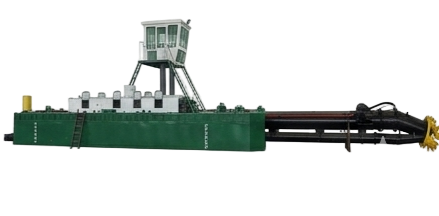
Cutter Suction Dredgers That Keep River Traffic Moving in Every Season
Unlike standard excavators that pause when rivers freeze or flood, cutter suction dredgers keep working through ice, high water, and low visibility. Their rotating cutter head breaks up compacted sediment even when surface conditions change drastically, maintaining a consistent channel depth year-round.
In winter, heated cutter systems prevent ice buildup on the ladder, while spring meltwater brings abrasive debris that the hardened teeth handle without slowing down. Summer algal blooms and autumn leaf fall add organic sludge, but the onboard pump adjusts suction power automatically, so barge traffic never waits for a clear weather window.
Operators rely on this seasonal resilience because a blocked river costs more than the dredger itself. From the Mississippi to the Rhine, these machines run 24/7 through storms and droughts, making sure cargo vessels keep moving regardless of what the calendar says.
Deepening and Widening Waterways While Protecting Fish Spawning Grounds
Widening and deepening a navigable channel can easily disturb riverbeds where fish deposit eggs. Many projects now schedule the heaviest equipment work for periods when spawning activity is at its lowest, rather than pushing through year-round. This simple shift avoids the worst direct damage to redds and gives juvenile fish a chance to move into calmer backwaters before dredging resumes.
Turbidity is often the bigger threat than the digging itself. Fine sediment can smother eggs and reduce oxygen flow. Contractors use silt curtains, bubble barriers, and staged pumping to keep suspended solids from drifting into known spawning reaches. In some cases, water is diverted through temporary side channels so the main construction zone stays isolated from sensitive habitat.
Restoration is built into the same budget. After a reach is deepened, crews place clean gravel and cobble in patterns that mimic natural riffles, giving fish a new place to spawn the following season. Monitoring over two or three years helps confirm the replacement beds are actually being used, and if not, adjustments are made before the next phase of widening begins.
One Manufacturer, Every Channel Application: Ports, Floodways, Irrigation
Across ports, floodways, and irrigation canals, infrastructure demands vary wildly—salt spray, debris loads, and variable flow rates all take a toll. A single manufacturer that engineers for the entire spectrum removes guesswork from procurement and installation. Instead of juggling three vendors with incompatible specs, project teams get one design language, one set of tolerances, and one point of accountability.
In a busy harbor, gates and fenders must resist corrosion from seawater and constant impact from vessels. A floodway needs robust barriers that can deploy rapidly under extreme hydraulic pressure without jamming. Irrigation networks, by contrast, prioritize fine flow modulation and low-maintenance operation across long, sediment-laden channels. The same manufacturer can supply hardened steel sluice gates for the port, high-capacity flap gates for the floodway, and precision control valves for the irrigation laterals—each tailored to its environment but built on shared engineering principles.
Choosing one manufacturer across these applications also simplifies long-term maintenance. Spare parts remain interchangeable, service technicians understand the full system, and upgrades can be phased without cross-vendor compatibility issues. That continuity becomes especially valuable when a region faces both flood risk and agricultural water demand; the same team that supplied the irrigation gates can retrofit the floodway with minimal disruption.
Lower Fuel Burn, Higher Output: The Pump Design Behind Faster Projects
The core of the efficiency gain lies in using a load-sensing, variable-displacement axial piston pump instead of a fixed-displacement gear pump. By matching hydraulic flow to actual demand, the engine no longer wastes energy pumping excess oil through a relief valve. On a recent trenching job, this translated to running the same 74-hp engine at 1,600 rpm instead of 2,200 rpm while maintaining full bucket breakout force. Fuel burn dropped from 11.2 liters per hour to just over 7, with no loss in cycle time.
What makes the design stand out is a pressure-compensated swashplate that reacts within 40 milliseconds. When the operator feathers the boom or holds a load in the air, the pump destrokes almost instantly, cutting parasitic drag on the engine. One paving contractor reported that his compact excavator burned through only two-thirds of a tank on a 10-hour curb-and-gutter pour, where the old machine would have needed a mid-day refuel. That adds up to nearly 90 minutes saved per shift when you count fewer fuel stops and less heat buildup in the hydraulic oil.
Faster projects don't always come from more horsepower—they come from keeping the engine in its sweet spot. With the pump handling pressure spikes and flow trimming on its own, operators can run at part throttle without stalling the attachment. The result is longer component life, less noise on urban sites, and a work rhythm that isn't interrupted by overheating or sudden power dips. For site managers, that's the difference between finishing a service trench by Thursday afternoon or pushing into Friday morning.
From Bathymetric Survey to Final Disposal—No Third-Party Delays
Once the bathymetric survey vessel finishes its passes, the measured depths and seabed contours go straight into the project's working model. There is no waiting on an outside lab or a separate contractor to interpret the data—our own team checks the acoustic returns, flags any anomalies, and translates them into a dredge plan within hours. That direct handoff eliminates the usual lag where survey results sit in an inbox while equipment stands idle.
The disposal side runs on the same closed loop. Sediment volumes calculated from the latest survey are matched against the approved disposal site's remaining capacity before the first cutter head touches bottom. If a thin layer of silt or an unexpected debris field shows up mid-project, the revised cut lines and placement coordinates are adjusted on the fly, not sent out for review. The dredge, the hopper, and the placement crew all work from one shared schedule, so no third party can hold up a load waiting for paperwork or a second opinion.
From the initial echo soundings to the final placement of dredged material, every step stays inside the same operational chain. That means the survey crew's notes reach the excavator operator without a forwarding step, and the disposal barge leaves on the same tide instead of waiting for a clearance call. The result is a continuous sequence where the only variable that matters is the actual depth under the keel, not someone else's calendar.
Municipal Teams Rely on Our Rapid-Response Dredge Fleets After Storms
When a severe storm passes, municipal crews face a race against time to reopen navigable channels, restore drainage capacity, and prevent secondary flooding. That's where our rapid-response dredge fleets come in. Unlike standard contractors that need weeks of lead time, our shallow-draft dredges and support vessels can be mobilized within 24 to 48 hours, arriving on-site with experienced operators who understand the urgency of post-storm recovery. From clogged culverts and silted intake basins to debris-choked marinas, we clear the way so your teams can focus on other critical repairs.
We don't just show up with equipment; we bring a pre-storm understanding of your local waterways. Many municipal clients keep our rapid-response agreement on file, which means we already have the permits, bathymetric data, and disposal plans in place before the first raindrop falls. After the storm, we deploy a fleet of hydraulic and mechanical dredges sized for tight access points—think 8-foot-wide canal entrances and bridge underpasses where larger vessels can't operate. Our crews run extended shifts if needed, coordinating directly with your public works department to prioritize the most critical blockages first.
The difference is in the details: we handle sediment testing, dewatering, and haul-off so your staff doesn't have to manage a separate waste stream during an emergency. And because we've done this for dozens of municipalities across the region, we know how to work around downed power lines, compromised roadways, and ongoing rain events. When the next storm hits, you won't be scrambling for dredging capacity—you'll have a fleet that's already en route.
FAQ
It comes down to a mix of custom engineering, durable equipment, and a track record of keeping waterways navigable without constant downtime. The best ones also adjust their designs to local sediment conditions.
By cutting fuel consumption per cubic meter and minimizing wear on pumps and pipes, operators can handle more material with fewer interruptions. Smarter automation also trims crew hours without sacrificing precision.
You'll usually see cutter suction dredgers, amphibious excavator dredgers, and small hydraulic dredgers. Some manufacturers also provide booster stations and pipeline packages tailored to shallow or narrow waterways.
Limited space makes positioning tricky, and sediment can vary from soft silt to compacted gravel. Equipment needs to be maneuverable yet powerful, with adjustable swing systems and reliable anchoring.
They focus on precision control to limit turbidity, use silt curtains and real-time monitoring, and design discharge systems that place spoils where they won't disturb aquatic habitats.
Yes. Whether it's restoring depth for seasonal navigation or deepening a channel for larger vessels, the same core technologies are scaled up or down with different pump sizes and cutter heads.
Sensors feed live data on flow rate, density, and dredge position, allowing operators to adjust on the fly. This reduces guesswork and helps maintain consistent output even with changing bottom conditions.
It can make or break a project. Access to spare parts, remote diagnostics, and on-site training keeps downtime low and helps crews get familiar with the equipment quickly.
Conclusion
Few things stall river commerce faster than a channel that no longer holds its design depth. The manufacturer behind these waterway programs builds cutter suction dredgers that keep traffic moving year-round, even in winter ice margins or summer flood pulses. Rather than treating every reach the same, crews run bathymetric surveys first, then match pump curves to the job so fuel burn drops while slurry output climbs. That pump design—tested on silts, sands, and compacted gravels—lets a single dredge handle port approaches, floodway relief channels, and irrigation supply canals without swapping major components.
The same equipment is built to work around sensitive habitat. Deepening and widening operations are scheduled outside critical spawning windows, and screened intakes plus controlled turbidity curtains protect fish nurseries downstream. Municipal teams lean on these rapid-response fleets after storms, when debris plugs and sudden shoals cut off drainage. Because the manufacturer runs bathymetric survey, dredging, and final disposal with its own crews and vessels, there is no handoff to outside contractors and no lost days waiting on permits or equipment. The result is a waterway opened on schedule—not just dredged, but restored for navigation and flood control.
Contact Us
Contact Person: Nancy
Email: [email protected]
Tel/WhatsApp: (+86) 13869631558
Website: https://www.yakaidredger.com/