

Top Purlin Roll Forming Machine Factory in China for Reliable Production Lines
2026-11-02
When production lines demand purlins with tight tolerances and repeatable output, the factory behind the machinery makes all the difference. In China’s crowded roll forming sector, few names stand out for engineering consistency like Beenew. But beyond the polished claims, what actually separates a top-tier factory from an average supplier? This guide digs into the real indicators of reliability—and why Beenew keeps surfacing in serious sourcing conversations.
Why Uptime Beats Spec Sheets in Purlin Roll Forming
A purlin line can look flawless on paper—tight tolerances, high line speed, quick changeovers—but none of that matters if the machine is down for half the shift. In the field, the gap between a good week and a bad one usually comes down to how long the line stays running, not how fast it moves when everything is perfect. Operators quickly learn that a slower but predictable machine beats a spec-sheet hero that trips out every time the coil temper shifts or the roll gap drifts a few thousandths.
The reason is simple: purlin production is a game of cumulative minutes, not peak throughput. Every unplanned stop—adjusting a guide, clearing a jam, nursing a hydraulic leak—erases ten or fifteen minutes before you even think about restarting. Over a month, those minutes add up to days. A line that holds tolerance and keeps feeding material hour after hour, even at 80 percent of the advertised speed, will outproduce a machine that only hits its numbers during a demo run.
That’s why smart buyers look past motor horsepower and roller counts. They ask about what happens at hour six, on the third shift, with a new operator and a tricky gauge. They want to know how the line handles real coil variation, how often the shear needs adjustment, and whether the controls give early warning before a minor issue becomes a shutdown. Uptime is earned on the floor, not in a brochure—and it’s the only spec that pays the bills.
Custom Profiles That Don't Require a Rework Loop
Most profile setups fail quietly. You tweak a value, run a test, discover two more variables have shifted, and before long you're stuck in a loop of small adjustments that never quite settle. The profiles here avoid that trap because they treat the whole parameter set as one coherent unit. Each value has already been cross-checked against the others, so you don't have to play whack-a-mole with temperature, speed, or retraction settings.
A common source of rework is the assumption that every filament wants the same baseline. These custom profiles take a different route. They're built around the specific behavior of the material and the machine's actual constraints, not a generic starting point. That means the first print after loading a profile tends to come out clean, with no need to babysit the first layer or chase down unexpected stringing after the fact.
What really removes the rework loop is the way the profiles handle transitions. Instead of leaving you to guess how a print will behave when it moves between solid infill and thin walls, each transition has already been tuned. The result is a setup that feels predictable. You load it, you print, and you move on to the next thing instead of circling back to the same settings.
What a Factory Floor Reveals About Production Reliability
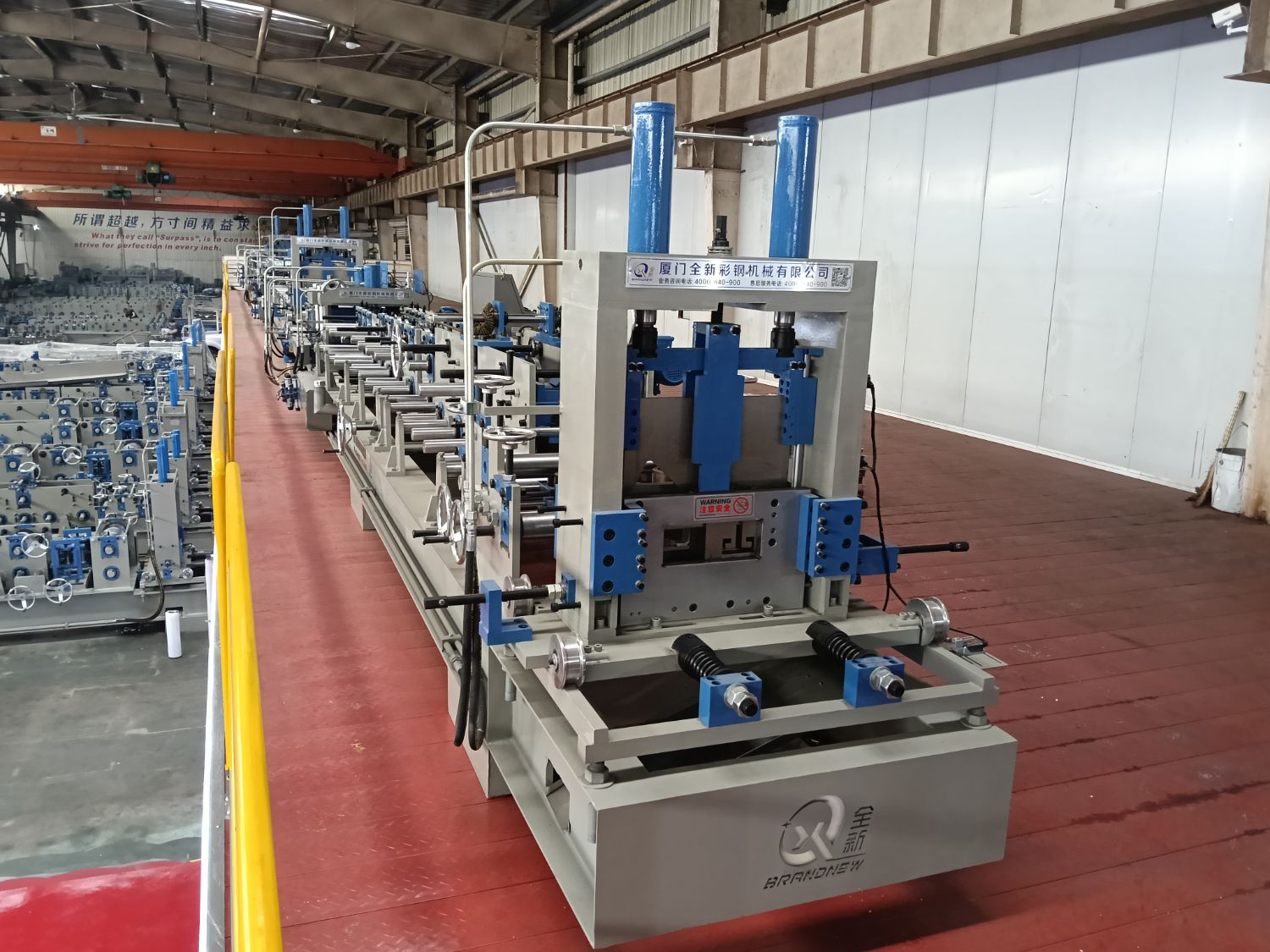
On a factory floor, production reliability isn’t an abstract metric; it’s visible in the small pauses between cycles, the way an operator adjusts a misaligned guide rail without being told, and the steady rhythm of machines that rarely need emergency stops. The floor tells you which processes have been designed with enough slack to absorb minor variation, and which are running so close to the edge that a single worn bearing can cascade into a half-shift of downtime.
Walk past the assembly lines and you notice that reliable plants often have fewer dramatic moments. There aren’t teams huddled around a broken conveyor every afternoon, but you will see operators doing quick, routine checks—tightening a bolt here, wiping a sensor there—before problems start. That shift from reactive firefighting to small, constant adjustments is what separates a floor that consistently hits output targets from one that lurches between record days and unplanned stoppages.
What the floor reveals most clearly is that reliability is built into the physical layout and daily habits, not just written into maintenance schedules. Conveyors with gentle curves instead of sharp transfers, tool boards arranged in the order tasks are performed, and clear sightlines to critical gauges all reduce the chance of human error. When you see those details repeated across a plant, you know the operation is designed to be steady, not merely hoping to be lucky.
Real Quality Control Before the Machine Leaves China
Every machine that leaves our China facility undergoes a battery of checks that go far beyond a simple power-on test. We run full-load simulations on motors, spindles, and drives for hours, not minutes, listening for harmonics that signal misalignment or bearing wear. Hydraulic circuits are pressure-tested at 120% of rated capacity, and every electrical connection is torque-verified against a documented spec sheet. If a single parameter drifts outside tolerance, the unit is pulled from the line and reworked before it ever sees a shipping crate.
Our inspectors use calibrated vibration analyzers and thermal cameras to catch what a visual check never could. A gearbox running a few degrees hotter than its twin on the bench tells us more about future failure than any certificate of conformity. We also log each test's raw data into a serial-numbered file that travels with the machine. Buyers don't just get a machine; they get a fingerprint of its health at the moment it left our dock.
What sets this apart isn't a checklist on a clipboard. It's that the same engineer who signs off on final assembly also runs the 48-hour soak test. They know the quirks of every weld and the tension of every bolt because they built it. When a machine arrives at your door, it has already proven itself under conditions harsher than your shop floor will ever demand. That's not just quality control; that's respect for the distance it travels and the work you'll ask of it.
After-Sales Support That Arrives Before a Breakdown
When a sudden breakdown brings your operations to a halt, the last thing you want is to wait on hold while a support ticket crawls through a queue. That's why our service model is built around foresight—using real-time diagnostics and usage patterns to flag potential failures before they ever disrupt your workflow. A technician often reaches out to you with a solution already in hand, not a list of troubleshooting questions.
This proactive approach means fewer emergency calls and more uptime for your team. We schedule maintenance at intervals that fit your actual usage, not a generic calendar, so parts are replaced when they show early signs of wear, not after they've caused collateral damage. It's the difference between guessing when a component might fail and knowing exactly which one needs attention next.
The result is a support experience that feels almost invisible—because issues are resolved before you even notice them brewing. You keep your focus on the work that matters, while we keep the machinery humming quietly in the background, one step ahead of every possible breakdown.
Matching the Right Roll Forming Line to Your Output Goals
Selecting a roll forming line isn't just about picking the biggest or fastest machine on the market. It starts with a clear-eyed look at your actual production targets: how many parts per hour or per shift, what tolerances are non-negotiable, and how much variation your product mix really requires. A line designed for high-volume, single-profile runs will waste both time and money if your operation switches between five different shapes every week. Conversely, under-specifying throughput can bottleneck an entire downstream assembly process.
Material behavior also shapes the ideal configuration. Thinner gauges and softer alloys often tolerate higher speeds with simpler tooling, while high-strength steels or pre-painted surfaces may demand additional passes, servo-driven adjustments, or specialized roll materials to avoid springback and surface marking. Rather than copying a competitor's setup, map your most common coil widths, yield strengths, and part lengths to the machine's forming stations, cutoff system, and straightener capacity. This practical alignment prevents chronic quality issues and unexpected slowdowns.
Finally, think beyond the initial purchase. The right line should accommodate modest future growth without forcing a full overhaul. That might mean leaving space for an extra uncoiler, choosing a controller that stores multiple profile recipes, or investing in quick-change tooling cassettes. A roll forming line that matches today's output goals while offering a sensible upgrade path keeps your cost per part stable as demand shifts, avoiding the trap of either overbuying complexity or outgrowing your equipment in two years.
FAQ
Look beyond the glossy brochures. Ask for video tours of the workshop, real customer references from your region, and details about the frame construction and drive system. A factory that openly shares its testing procedures and lets you inspect a running line before shipment is usually a safer bet.
Reliability mostly comes down to the quality of the forming rollers, the rigidity of the base frame, and the brand of the electrical components. Top factories use heat-treated rollers, stress-relieved welded frames, and PLC systems from established automation suppliers. They also run each machine through a dry cycle and a full production test before packing.
Most well-engineered lines handle galvanized steel, cold-rolled steel, and sometimes aluminum, with thicknesses from about 1.5 mm to 3.0 mm. Yield strength up to 550 MPa is common. Some factories offer wider ranges, but it's wise to confirm the exact material specs you plan to run before ordering.
Many Chinese factories now offer fully customized roller sets and punching layouts. You can specify non-standard flange widths, lip sizes, hole spacing, and even embossed markings. The key is working with a factory that has in-house design engineers who can simulate the roll flower before cutting steel.
Expect a reasonable stock of wear parts like rollers, bearings, and cutting blades to ship with the machine. For support, reputable factories offer remote troubleshooting via video call, detailed manuals in English, and sometimes on-site commissioning by an engineer. Clarify warranty terms and response times in writing.
Standard lines often take 45 to 60 days to build, while highly customized machines may need 75 to 90 days. Shipping is usually by sea in a 40-foot high cube or open-top container, depending on machine height. Crating and rust protection should be included, and the factory should handle export documentation.
A thorough factory will check roller alignment with laser instruments, inspect weld seams, test the hydraulic cutting unit under load, and run the line with your actual coil width and thickness if possible. They should provide a complete test report, including dimensional accuracy of the first purlins produced.
Good modern lines use motorized or hand-wheel adjustments for width and height, with digital readouts or recipe-based PLC control. A trained operator can usually switch between common sizes in 15 to 30 minutes. Some high-end lines automate the entire changeover, cutting that time to under five minutes.
Conclusion
Choosing a purlin roll forming machine from China usually starts with a spreadsheet of speeds and thickness ranges, but plant managers who have run these lines for years will tell you uptime matters far more than any catalog number. A factory that pushes every machine to its rated limit during commissioning, then tracks stoppage causes after installation, gives you a clearer picture than a spec sheet ever will. The best suppliers also take your profile drawings seriously from day one. Instead of quoting a standard C or Z section and forcing your team into an expensive rework loop later, they run test coils through the actual roll set before shipping, adjusting flare, twist, and hole placement until the part comes off the line ready to weld or bolt. Walking through the factory floor tells you the rest: you can see whether dies are stored by job number, whether tooling changes are timed, and whether workers follow a repeatable setup checklist. That kind of discipline is what turns a machine into a reliable production line, not a weekend project.
Real quality control starts long before the container leaves China. Top factories laser-measure every roll gap, run a full profile check on the first coil, and send you photos and video of your exact machine under load. If a bearing runs hot or a guide scrapes the flange, they catch it in their own bay instead of your maintenance crew discovering it on a Monday morning. After-sales support from these makers is equally practical: remote diagnostics, spare part kits kept in regional warehouses, and engineers who answer video calls during your time zone's afternoon. Finally, matching the right roll forming line to your output goals means being honest about batch sizes, changeover frequency, and whether you need punching, notching, or embossing inline. A factory that asks those questions before quoting is far more likely to deliver a line that keeps running when orders stack up.
Contact Us
Contact Person: Sophie
Email: [email protected]
Tel/WhatsApp: 8615959271231
Website: https://www.beenew-rollformer.com/