

Top 10 Outdoor Kit Companies for Reliable Adventure Gear
2026-11-02
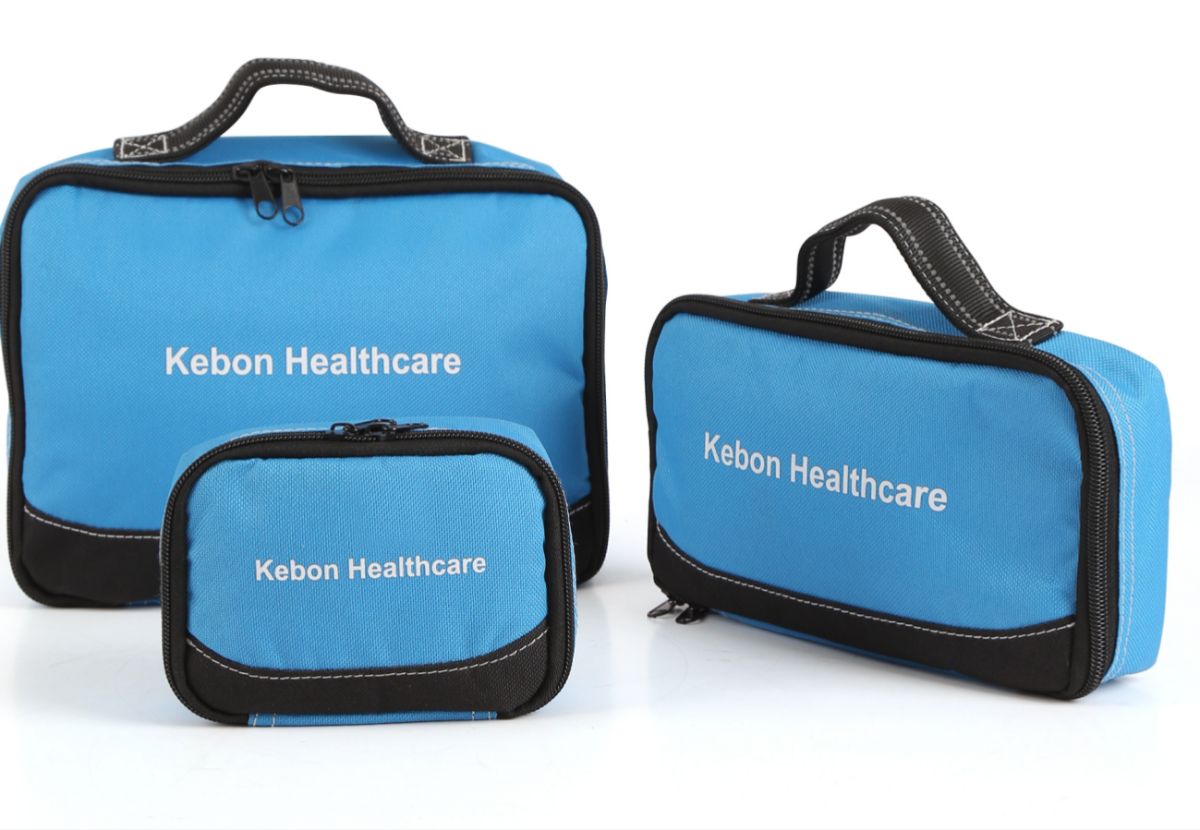
The right adventure gear can make or break a trip, but figuring out which brands actually deliver when you're miles from civilization? That's where most 'top 10' lists fall short. We've combed through real-world testing, user feedback, and long-term durability to bring you companies that earn their place in your pack—not just on a shelf. Whether you're a weekend hiker or a backcountry guide, reliability isn't optional. And while we're highlighting ten standouts, one name keeps surfacing for its practical, no-fuss approach to first aid: Kebon. So before you head out on your next adventure, let's dig into the brands that deserve your trust.
Brands That Keep Their Promises in the Backcountry
A storm rolls in above treeline and your stove refuses to light. The zipper on your tent finally gives out after six hard seasons. These are the moments that separate brands that merely sell gear from brands that actually stand behind it. In the backcountry, a promise isn't a tagline—it's a repair depot that answers emails on a Tuesday, a warranty that covers the failure you caused by using the thing the way it was meant to be used, and a design team that assumed snow, grit, and sweat would be part of the equation.
Look closely and the real standouts behave differently. They publish spare parts diagrams instead of hiding them. They offer field-repairable buckles and zippers. They keep old models serviceable long after the product page disappears. A pack from Osprey, a stove from MSR, a shell from Patagonia—these aren't just names stitched on a label. They are companies that have learned what happens when gear fails at 11,000 feet, and they've built their entire operation around making sure that failure never strands you twice.
Gear That Survives Seasons, Not Just Trips
Most gear reviews fixate on a single weekend: how a jacket performs in one downpour, or whether a stove boils water fast enough on a cold morning. But real use is messier. A tent gets pitched on granite slabs in August, buried under wet leaves in November, and yanked from a stuff sack with frozen fingers in February. After a few seasons, the zippers either glide or they don't. The fabric either shrugs off mildew or starts smelling like a forgotten gym bag. The gear that lasts isn't necessarily the lightest or the most feature-packed—it's the stuff that shrugs off that kind of cumulative abuse without demanding constant repairs or replacements.
Take stitching as an example. Cheap thread rots under UV exposure and repeated wet-dry cycles. You won't notice it on a three-day trip, but by the second spring, seams start to pull apart around high-stress areas like pack straps or tent pole sleeves. Better gear uses bonded nylon thread with a tight stitch count, sometimes with bar tacks at load points. This isn't glamorous, but it's the difference between a sleeping bag that lasts four years and one that lasts twelve. The same logic applies to coatings: a polyurethane waterproof layer might feel great out of the box, but it hydrolyzes over time, turning sticky and delaminating. A silicone-treated fabric or a more stable polyether-based coating survives temperature swings far better—important if your gear lives in a hot attic during July and a freezing trunk in January.
Hardware choices matter too. Plastic buckles can become brittle after a few winters, snapping when you cinch a compression strap at 20 below. Metal zipper sliders with a corrosion-resistant finish will outlast painted ones, especially near salt water or road salt. And don't overlook simple design decisions: a pack with replaceable hip belt padding, a tent with a easy-to-swap pole section, a stove that can be fully disassembled for cleaning. The goal isn't to baby your equipment—it's to forget about it. You pull it out in March, and it works like it did in October. That quiet reliability is what turns a piece of gear into a trusted tool, not just a seasonal purchase.
The Shortlist for Adventure-Ready Equipment
Building a kit that won't fail you halfway up a scree slope or during a sudden downpour means skipping the gimmicks and focusing on gear that earns its place. Start with a pack that carries weight without digging into your shoulders—something in the 40 to 55 liter range with a ventilated back panel does the trick for most multi-day trips. From there, a reliable stove that simmers as well as it boils will keep morale high when the weather turns, and it's worth the extra ounces compared to a minimalist burner that only does one thing well.
The unsung heroes of any adventure setup are the small, resilient items: a headlamp with a red-light mode for late-night camp chores, a water filter that screws directly onto a standard bottle, and a repair kit that includes tenacious tape, a spare buckle, and a needle strong enough to punch through webbing. These aren't flashy, but they repeatedly save trips when conditions get rough. Avoid the temptation to skimp on footwear either—broken-in trail runners with aggressive tread outperform stiff, untested boots on most terrain except deep snow or heavy loads.
Finally, layer smartly with a merino base layer, a wind shirt that breathes, and a puffy that packs down to the size of a grapefruit. That trio handles temperature swings from dawn alpine starts to windy ridgelines without requiring you to strip or add layers constantly. The goal isn't to own the most gear, but to own the right pieces that you've already field-tested on day hikes and overnighters before committing to anything remote.
Where Durability Meets Real Field Testing
Lab reports look impressive until a dust storm rolls through a remote job site and the hinges start grinding. Our approach skips the climate-controlled comfort zone. New prototypes get bolted onto excavators working 14-hour shifts in abrasive limestone quarries, left exposed to freeze-thaw cycles in northern Alberta, and tossed into the back of pickup trucks that see more washboard roads than pavement. The goal isn't just to see what breaks, but when and how it breaks—so the next iteration holds up longer without adding unnecessary bulk.
Field crews tend to notice things engineers never script. A loader operator mentioned that the latch felt loose after three weeks of vibration, which led to a redesign of the spring retention groove. That kind of feedback loop only happens when gear lives in the same mud, diesel fumes, and temperature swings as the people who rely on it. We keep units in rotation for months at a time, logging every scrape and stress mark, then tear them down to compare wear patterns against the original CAD models. The result is a build spec that earns its ruggedness claim one broken bolt and one bent bracket at a time.
Ten Names Worth Trusting When Weather Turns
There are a handful of outfits that don’t buckle when the sky gets mean. Start with the National Weather Service’s Storm Prediction Center – their convective outlooks are the backbone of any serious severe weather prep. Just as steady is the European Centre for Medium-Range Weather Forecasts, whose model runs often catch big pattern shifts days before others. For on-the-ground radar detail, the team at Weather Underground’s WunderMap remains hard to beat.
Then there are the people who translate raw data into plain language. James Spann in Alabama has earned a near-legendary status for staying calm during tornado outbreaks, while the Capital Weather Gang in Washington, D.C., consistently cuts through hype. On the app side, Windy.com and RadarScope give you the same tools many forecasters use, and for longer-range climate context, NOAA’s Climate Prediction Center is the quiet authority.
If you’re looking for a global view, MeteoGroup and the UK Met Office both offer forecasts that hold up under pressure, especially for aviation and marine interests. The thread tying all ten together isn’t flashy graphics or viral maps – it’s a refusal to overpromise when the atmosphere is still deciding what it wants to do. Trust the names that show their work, update honestly, and admit when a forecast is low confidence. That’s rare, and it matters most when the wind picks up.
From Trailhead to Summit: Dependable Makers
The path from a rough idea to a finished product is rarely straight, yet dependable makers treat it like a well-worn trail. They start at the trailhead with little more than a sketch and a stubborn belief that the summit is reachable. What separates them isn't raw talent or luck, but a quiet habit of showing up—testing a prototype before sunrise, reworking a joint that looked fine yesterday, and refusing to blame the tools when a cut goes slightly wrong. This steady rhythm, repeated hundreds of times, is what turns an uncertain climb into a reliable ascent.
Dependability in making is less about perfection on day one and more about consistency across week forty. These builders keep track of what failed without turning it into drama. A warped board becomes a lesson in wood movement; a cracked weld teaches patience with heat settings. They document each misstep not for a portfolio, but because the trail itself is the real teacher. By the time they near the summit, their hands move with a certainty that outsiders mistake for ease, yet every confident motion carries the memory of a stumble.
At the top, the view isn't just a finished product—it's the accumulated trust of everyone who watched the climb. Clients, collaborators, and even skeptical suppliers come to rely on makers who summit not once, but on every project. That reliability becomes their signature, far more enduring than any single object they produce. The summit, it turns out, is not a destination but a pattern: start at the trailhead, walk the path with respect, and let the work speak for itself.
FAQ
I’ve had good luck with Osprey packs, MSR stoves, and Sea to Summit dry bags. These brands tend to sweat the small stuff—zipper placement, strap adjustability, seam taping—that only becomes obvious after day three on the trail.
Look for taped seams, YKK Aquaguard zippers, and a stated hydrostatic head rating above 10,000 mm. Brands like Rab and Mountain Hardwear usually publish those specs instead of burying them. Also check user reviews from people who’ve actually been caught in sustained downpours.
Absolutely. Companies like Katabatic Gear for quilts, Hyperlite Mountain Gear for ultralight packs, and Zpacks for shelters have cult followings for a reason. They often use more specialized materials and offer custom tweaks you won’t find in mass-market gear.
You can build a solid setup for around $800–$1,200 if you prioritize a good backpack, sleeping pad, and shell layer. Wait for seasonal sales from brands like Big Agnes or Nemo, and don’t skimp on insulation—cheap down loses loft fast.
Patagonia and Osprey are hard to beat—they’ll fix or replace gear years after purchase. Black Diamond also handles pole and headlamp repairs well. A lifetime warranty can save you hundreds if you use gear hard.
For tents, ripstop nylon or polyester with a silicone coating on the fly and a bathtub floor; for packs, 210D–500D Cordura or X-Pac with reinforced stress points. Big Agnes and MSR consistently use these without overbuilding.
Check if they sponsor long-distance hikers, alpine guides, or expedition teams and share raw feedback. Brands like Mammut and Rab publish detailed gear test reports from real expeditions, not just studio shots. If a company only shows lifestyle photos, be cautious.
Buying based on brand name alone without checking fit and intended use. A great jacket from Arc’teryx might be overkill for a weekend car camper, and a minimalist ultralight pack from Hyperlite can be miserable if you carry 30 lb. Try gear loaded, if possible.
Conclusion
When a sudden storm rolls over a ridgeline or a zipper fails at 3,000 meters, the difference between a story worth telling and a rescue call often comes down to one thing: whether the gear maker actually kept its promise. The ten outdoor kit companies featured here have earned their place not through marketing campaigns, but through years of backcountry silence—no snapped buckles, no delaminated seams, no leaking dry bags. These are brands that treat a warranty as a last resort, not a sales pitch. Their packs, tents, stoves, and layers are built to survive seasons of hard use, not just a single trip. From scorched desert trails to frozen alpine bivouacs, each piece is field-tested by people who depend on it for safety and comfort, then refined until it disappears into the rhythm of the trail.
What makes this shortlist stand out is a shared refusal to cut corners where stakes are highest. Weather turns without warning, and the gear from these makers responds with the kind of quiet competence that comes from real-world prototyping—not just lab simulations. Whether you are moving from trailhead to summit or setting up camp in a downpour, dependable zippers, abrasion-resistant fabrics, and thoughtfully placed reinforcements matter more than flashy logos. These ten names represent a range of specialties, from ultralight shelters to expedition-grade cookware, yet all share one trait: their products earn trust over repeat trips, season after season. For anyone assembling an adventure-ready kit, this list offers a starting point rooted in durability, honest testing, and the simple promise that your gear will still work when the weather doesn't cooperate.
Contact Us
Contact Person: Andy Yu
Email: [email protected]
Tel/WhatsApp: +86 19858933676
Website: https://www.kebonfirstaid.com