Top 10 Keychain Lanyards That Blend Style and Everyday Function
2026-11-25
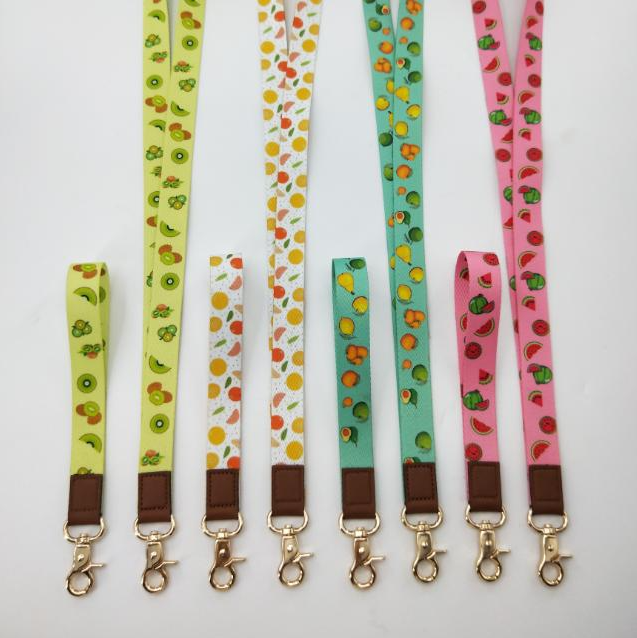
Some accessories quietly earn their place in your daily routine. The right keychain lanyard does more than keep keys within reach—it adds a small but telling detail to the way you carry things. From office badges to weekend errands, the best options balance durability, comfort, and a look that doesn’t fade into the background. In this guide, we’ve narrowed down ten picks that actually hold up, with a few standout styles from DONGCHUANG worth keeping on your radar.
Why the Best Lanyard Is the One You Forget You're Wearing
The mark of a good lanyard isn't how often you notice it, but how rarely you do. It should keep an ID or a set of keys close without strumming against your collarbone, twisting into a braid, or leaving a red line across the back of your neck after a long shift.
Most of that comes down to unglamorous details: a strap with just enough give, a clip that opens on the first try but not by accident, and a neck line that doesn't saw at the skin. Get those right and the lanyard stops being an accessory you manage. It becomes background noise in the best possible way—there when you reach for it, absent the rest of the time.
The Clasp Test That Predicts Whether Your Keys Will Survive the Week
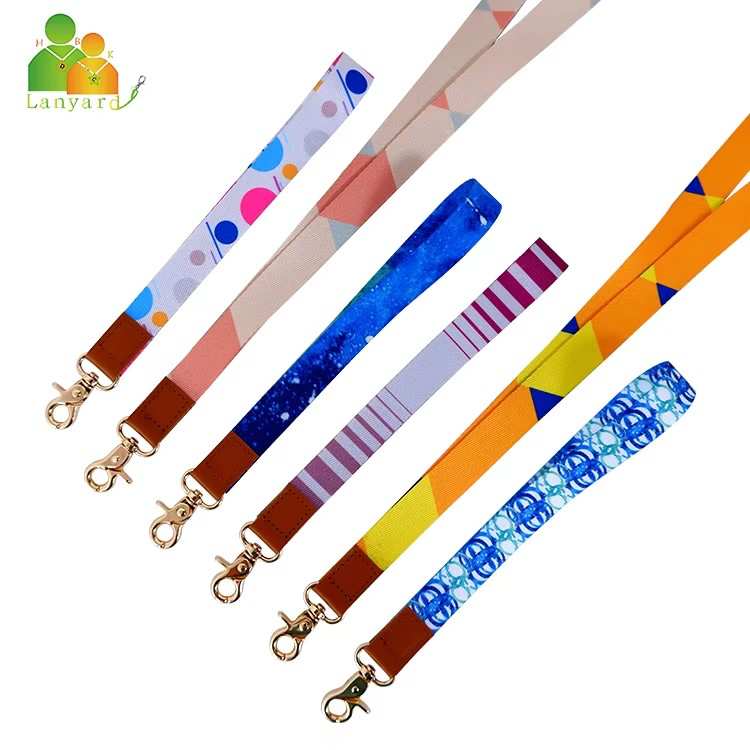
Most people toss their keys into a bag or pocket without a second thought, but the tiny clasp holding everything together endures more stress than any other part of your everyday carry. Run your thumbnail along the seam where the clasp meets the ring. If you feel a slight ridge or catch, that’s metal fatigue starting to show. A smooth, continuous surface suggests the clasp still has some life left. This quick check takes less than five seconds and tells you more than a year of casual use ever will.
Next, open and close the clasp ten times while listening for any change in pitch. A healthy spring-loaded mechanism will click with the same sharp note every time. When the sound starts to flatten or the gate hesitates before snapping shut, the internal spring is losing tension. That hesitation is the first real warning sign—it means the clasp can pop open under a sudden twist, and your keys will scatter somewhere you’d rather not crawl around looking for them.
Finally, use a small magnet from your fridge. High-quality clasps are often made from stainless steel with low magnetic pull, while cheaper nickel-plated ones will jump to the magnet instantly. Neither is inherently bad, but if the clasp is both magnetic and showing a rough seam, replace it before the week begins. A five-dollar upgrade now beats spending Monday morning retracing your steps through a parking garage.
Materials That Outlast Hand Sanitizer, Rain, and the Inside of a Tote
Hand sanitizer has a quiet way of breaking down edge coatings, printed logos, and even certain smooth leathers, but the materials selected here are chosen to shrug that off. A thick pebbled leather with a bonded backing keeps its structure after repeated alcohol contact, while coated canvas wipes clean without turning gummy or cloudy around high-touch spots.
Rain is less of a threat when the surface has a tight synthetic weave or a sealed finish. Pack cloth and treated nylon let water bead up and roll off before it soaks into the fibers, and the zippers and pulls are plated to resist the dull film that damp weather tends to leave behind.
Inside a tote, the real test is the slow buildup of sunscreen, hand cream, exploded pens, and the occasional sanitizer leak. A sealed lining with bound seams keeps that routine mess from turning into stains, and the bottom panel is reinforced so damp keys or a cold water bottle don't soften the shape over time.
Length and Width: The Overlooked Details That Change the Whole Feel
Most people fixate on the big picture—color, material, style—and never stop to consider how a few extra inches or a slightly narrower profile can quietly rewrite the entire experience. A sofa that stretches two inches longer suddenly feels more generous in a small room, while a table trimmed by an inch on each side lets people pass without that subtle, constant tension. These aren't dramatic shifts. They're the kind of adjustments you notice only when you live with them day after day.
Think of a hallway runner that's just a bit too wide. It doesn't block the path, but it makes every trip down the hall feel slightly constrained, like wearing shoes half a size too small. Now imagine the same runner two inches narrower. Suddenly the floor opens up, the walls breathe, and the space feels purposeful rather than accidental. Length works the same way—a curtain that stops exactly at the floor can look crisp and intentional, while one that puddles by three inches shifts the mood from tailored to relaxed without changing anything else.
The real trick is that these proportions rarely show up in photos or showrooms. You discover them by standing in the space, walking around the piece, and paying attention to how your body responds. Does the edge of that console force you to angle your shoulder as you pass? Does the bench feel welcoming or like it's crowding the entry? Small dimensional choices accumulate, and before long they define whether a room feels effortless or slightly off—no matter how beautiful the individual pieces are.
Color Matching Without Looking Like You Tried Too Hard
There is a particular kind of confidence that comes from wearing colors that almost clash but somehow settle into a quiet conversation. The trick is not in random pairing but in letting one shade carry the weight while the other does the listening. A rust sweater against faded olive trousers, for instance, feels less like a statement and more like an afterthought that turned out better than planned.
Most people fail at this because they try to coordinate too evenly. They reach for matching undertones or rely on a neutral to mediate everything, which flattens the whole outfit. Instead, let one color lean slightly warm and the other slightly cool, the way stone and sand sit next to each other on a shoreline. The eye notices the difference, but the brain registers it as natural, not assembled.
What you are really doing is borrowing the palette of places rather than fashion spreads. Think of a faded brick wall against a pale blue door, or the inside of a market stall where aubergine and mustard share the same shadow. When the combinations come from everyday textures, they stop being a trend and start looking like the kind of ease that cannot be copied.
From Wrist Strap to Bag Anchor: The Everyday Shapeshifters
A strip of nylon or braided cord rarely gets a second glance until it saves a phone from a hard fall. In one moment it wraps around a wrist; in the next it hooks through a tote handle, keeping a bag from sliding off a shoulder. That quiet swap between jobs happens without ceremony, which is exactly what makes it useful.
The real charm sits in the details: a slim loop that doesn’t bulk up in a pocket, a clip that opens with one hand, a length that works for a wrist but doesn’t dangle when anchored. None of it asks for attention, but the design has to be just right or the whole thing becomes another tangled cord at the bottom of a drawer.
By the end of the day, it has been a security line, a grab handle, and a small insurance policy against butterfingers. It shifts shape not by changing form, but by changing role. That adaptability is the whole point.
FAQ
Most of it comes down to how it feels after a few weeks. You want something that doesn't fray at the edges, keeps its shape, and doesn't make your keys feel like a tangled mess.
For all-weather use, nylon or woven cord usually wins. Leather can look better with age but it's more sensitive to rain and sweat. If you're hard on your gear, go with a tightly braided synthetic.
Look at the colors you already wear. Dark olive, black, charcoal, and tan are easy to live with. If you want something brighter, keep it to a small section or the hardware finish so it doesn't take over.
It helps more than most people expect. The strap gives your hand something to catch before you reach the bottom of a bag, so you're not digging around blind.
A small swivel clasp or mini carabiner tends to be the least fussy. Cheap split rings and stiff clips make it harder to swap keys or attach the lanyard to a bag.
Not much, but they don't love water. Wipe them down if they get wet and condition them occasionally if the leather starts to feel dry. Otherwise they're fairly low maintenance.
Somewhere around 5 to 7 inches works for most pockets and bags. If it's mainly a wrist loop, shorter is better—around 4 inches gives you enough room without dangling.
Soak the fabric part in cool water with a little mild soap, rinse, and let it air dry. Keep the metal bits dry or wipe them after so they don't spot.
Conclusion
The ten keychain lanyards here earn their place by disappearing into the day instead of demanding attention. A good strap sits light enough that you stop noticing it within an hour, yet the clasp holds through gym bags, jacket pockets, and the occasional snag on a drawer handle. That hardware matters more than the braid because a thin, springy clip fails long before the cord frays. We leaned toward materials that keep their texture and color after repeated exposure to hand sanitizer, sudden rain, and the dusty chaos at the bottom of a tote. Nylon webbing, silicone, and tightly woven polyester all showed fewer scuffs and less fading than cheaper cotton blends.
Length and width change the whole feel, even when they look like minor specs on a product page. A slightly wider strap distributes weight for heavier key sets, while a shorter drop keeps things from swinging too much on a commute. The best options in this roundup also handle color with restraint, using muted tones and small hardware accents that match bags and jackets without looking overly coordinated. Several picks go beyond the classic neck strap, converting into a wrist loop or a bag anchor depending on where you clip them. That versatility pushes a simple accessory into everyday use, whether you are securing keys, a work badge, or a small tool.
Contact Us
Contact Person: Bill Huang
Email: [email protected]
Tel/WhatsApp: 8613829102720
Website: https://www.dclanyard.com