

Top 10 Aramid Fabric Types for High-Performance Applications
2026-07-09
When performance can't be compromised, material choice defines the outcome. Aramid fabrics have become the silent backbone of industries where heat, impact, and abrasion are daily challenges—from aerospace shielding to ballistic protection. But not all aramids are created equal. The subtle differences in weave, finish, and composition unlock entirely different capabilities. In this post, we'll explore ten high-performance aramid types and explain what makes each one indispensable. Whether you're engineering a new protective solution or refining an existing one, understanding these nuances is crucial. At DROTEX, we specialize in translating advanced fiber science into practical, certified textiles that meet the toughest demands. Let's dive into the world of aramid fabrics and discover which one fits your next project.
Para-Aramid vs. Meta-Aramid: Choosing the Right Shield
The distinction between para-aramid and meta-aramid fibers is not just chemical—it’s a matter of survival strategy. Para-aramid, with its rigid, rod-like molecular structure, delivers exceptional tensile strength and cut resistance. It’s the backbone of ballistic vests, composite reinforcements, and high-tension ropes where every gram of load-bearing capacity counts. Meta-aramid, on the other hand, thrives where heat and flexibility collide. Its more chaotic polymer chains afford superb thermal stability and dielectric properties, making it indispensable for firefighter gear, electrical insulation, and industrial filtration fabrics that must endure continuous exposure to extreme temperatures without stiffening or melting.
Choosing between them often comes down to the nature of the threat. If the primary hazard is a sudden, high-energy impact or a sharp edge, para-aramid’s linear strength alignment acts like a molecular shield. But when the danger is a slow burn—sustained heat, molten splashes, or arc flashes—meta-aramid’s ability to remain pliable and non-conductive under duress provides the real protection. There’s rarely a one-size-fits-all solution; many advanced protective systems now blend both fiber types, layering para-aramid for structural integrity and meta-aramid for thermal comfort, creating a composite shield that addresses multiple failure modes at once.
Beyond Kevlar: Next-Generation Aramid Blends
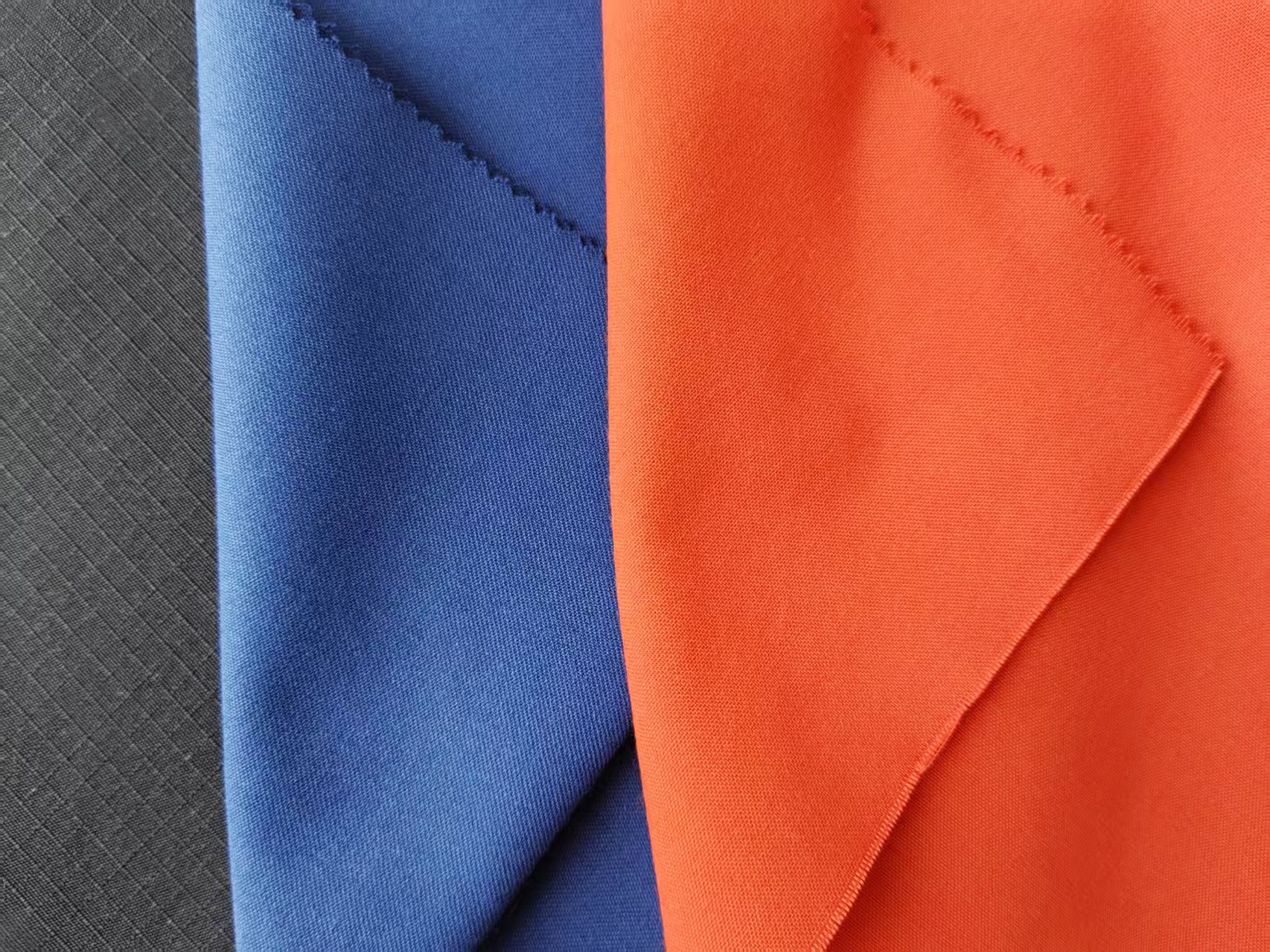
While Kevlar has long been the go-to material for ballistic protection and high-strength applications, the landscape of aramid fibers is rapidly evolving. New blends are pushing the boundaries of performance, combining traditional para-aramids with meta-aramids or even integrating nano-additives to achieve properties that single-fiber systems cannot match. These hybrids are engineered at the molecular level to balance tensile strength, thermal stability, and flexibility, opening doors to lightweight armor that bends without breaking.
What truly sets these next-generation blends apart is their ability to tailor the material for specific threats. By adjusting the ratio of aramid types or incorporating ceramic micro-particles, manufacturers can create textiles that harden on impact but remain wearable. This smart behavior is not just about stopping bullets—it's about dissipating energy more efficiently while reducing blunt trauma. Ongoing research also explores the synergy between aramids and shear-thickening fluids, resulting in fabrics that are supple during normal movement yet rigid when struck.
Beyond defense, these advanced aramid blends are finding their way into sectors like aerospace, automotive, and even sporting goods. Their improved resistance to UV degradation and moisture absorption makes them suitable for prolonged outdoor exposure, while their lighter weight contributes to fuel efficiency and ergonomic design. The race is no longer just about fiber stiffness; it's about creating multi-functional composites that adapt to the environment, ensuring that the next leap in protection is as dynamic as the threats it faces.
How Aramid Fabrics Tame Extreme Heat in Motorsports
When a race car tears around a track, its cockpit becomes a furnace. Engine heat, exhaust systems, and even brake components can push temperatures past the point where standard materials would fail. That's where aramid fabrics step in—these flame-resistant textiles form a critical barrier, shielding drivers and sensitive components from heat that could cause burns, damage, or catastrophic failure. Unlike simple insulation, aramid layers actively work to dissipate thermal energy while maintaining structural integrity under direct flame contact.
The secret lies in the molecular structure of aramid fibers. They don't melt or drip when exposed to extreme heat; instead, they carbonize and thicken, creating a protective char that blocks further heat transfer. This means even in the chaotic seconds after a fuel spill ignites, the fabric buys precious time. Modern race suits weave multiple layers of aramid into a light, flexible assembly that wicks moisture and resists abrasion, keeping drivers comfortable and focused without sacrificing an ounce of protection.
Beyond driver safety, aramid panels line engine bays, shield fuel cells, and wrap vulnerable wiring harnesses throughout the car. These fabrics are engineered to handle not just temperatures above 500°C, but also the intense vibration and debris common in motorsports. By combining heat resistance with mechanical toughness, they help contain fires, prevent collateral damage, and give track marshals the seconds needed to respond. In a sport where milliseconds separate victory from disaster, aramid's ability to tame extreme heat has quietly become indispensable.
The Role of Aramid in Lightweight Ballistic Protection
Aramid fibers have reshaped the landscape of personal armor by offering an unmatched balance of strength and low weight. Their molecular structure, characterized by rigid polymer chains and strong hydrogen bonds, delivers exceptional tensile strength while remaining remarkably light. This allows designers to craft vests and helmets that protect against high-velocity fragments and handgun rounds without imposing the fatigue associated with heavier materials like steel. The inherent flexibility of woven aramid fabrics further ensures that protective gear conforms to the body, preserving agility and comfort during extended wear.
Beyond wearability, aramid’s performance under extreme conditions solidifies its role in lightweight ballistic systems. It resists degradation from heat, moisture, and many chemicals, making it reliable in harsh climates or maritime operations. Advanced composites layer aramid with ceramics or polyethylene to defeat rifle rounds while still minimizing bulk. Such hybrid designs exploit aramid’s capacity to blunt and catch projectiles, dissipating kinetic energy across the fabric’s weave without shattering. This adaptability enables tailored solutions for military, law enforcement, and civilian applications where every ounce matters.
Ongoing refinement of fiber chemistry and weaving techniques continues to push the boundaries of what aramid can achieve. Innovations like laminating ultra-thin aramid sheets or integrating graphene coatings have boosted multi-hit capability and reduced backface deformation, enhancing survival odds in close-quarters encounters. As threats evolve, so does the material—quietly bridging the gap between rigid plates and soft concealable armor. Its quiet revolution lies not in a single breakthrough, but in a steady progression toward armor that feels almost weightless, yet stands resilient when it counts most.
Aramid Composites in Aerospace: Where Every Gram Counts
In the relentless pursuit of lighter airframes, aramid fibers have carved a niche that carbon and glass simply cannot fill. Their extraordinary resistance to impact and abrasion makes them the silent workhorses inside wing leading edges, engine nacelles, and cargo liners—areas where unpredictable forces meet structural integrity. These materials don't just save weight; they absorb and dissipate energy in ways that prevent catastrophic failure, turning micro-seconds of impact into survivable events.
Vibration and fatigue behave differently when aramid composites are layered into critical zones. Unlike stiffer alternatives that pass stress directly to fasteners and bonds, aramid’s inherent damping qualities quiet the harmonic resonances that plague pressurized fuselages over thousands of cycles. The payoff is measured not just in grams shaved at conception, but in maintenance intervals stretched and inspections simplified—a language every fleet operator understands when fuel bills land and dispatch reliability hangs in the balance.
The true test arrives during thermal extremes and lightning strikes, where aramid’s non-conductive nature becomes both a challenge and an asset. Engineers weave hybrid stacks, pairing aramid with conductive films or metallic meshes, to keep static discharge paths intact while preserving the primary weight advantage. As drone swarms and hypersonic ambitions push material boundaries further, the conversation isn't about replacing carbon outright, but about surgically deploying aramid where its gram-level trade-offs yield the greatest return in speed, range, and safety.
Why Aramid is the Silent Partner in Electronic Safety Gear
Aramid fibers work behind the scenes, quietly reinforcing the very materials that protect sensitive electronics. Their inherent resistance to heat and flame means that even when a device overheats, the surrounding insulation remains intact, preventing catastrophic failure. You rarely see it, but it’s there—woven into battery separators, cable wraps, and protective casings—acting as a thermal shield that kicks in precisely when things go wrong.
Beyond heat, aramid brings a rare combination of strength and lightness that engineers crave. In portable safety gear—like hardened communication devices or protective circuits—every gram matters. Aramid’s tensile strength rivals that of steel at a fraction of the weight, allowing designers to slim down products without sacrificing durability. This means field equipment can survive drops, vibrations, and rough handling while still being practical to carry all day.
Perhaps most importantly, aramid doesn’t conduct electricity. That may sound simple, but in high-voltage environments, it’s the difference between a minor glitch and a lethal arc flash. By isolating conductive components without adding bulk, aramid helps maintain signal integrity while keeping users safe from shocks. It’s the kind of material you don’t appreciate until the moment it saves a life or a critical piece of data, and then you realize it was never just an accessory—it was essential.
FAQ
Para-aramids absorb and disperse bullet energy through their rigid molecular chains and high tensile strength. Unlike many materials, they don’t just stop penetration—they catch and spread the force across the weave, reducing blunt trauma. That’s why you’ll find them in everything from police vests to military helmets.
Nomex doesn’t just resist ignition; it carbonizes and thickens when exposed to flame, creating a protective barrier that buys precious seconds. It also stays flexible and breathable, so firefighters can move without overheating—something stiff, coated fabrics can’t match.
Twaron offers similar strength to steel at a fraction of the weight, but the real game-changer is its thermal stability. It holds up in environments exceeding 400°C without melting or degrading, unlike steel cables that can fail suddenly when heat-softened.
Meta-aramid felt traps air in its fibrous structure while resisting heat transfer, making it ideal for lining engine nacelles and cabin walls. Even when compressed, it maintains its insulative properties, which is critical for meeting strict aviation fire safety codes.
Technora’s high modulus and resistance to saltwater hydrolysis give it an edge. It barely stretches under load and doesn’t weaken after years of submersion, so it keeps offshore platforms stable in rough seas without the corrosion issues you get with metal chains.
They act as non-conductive, heat-resistant insulating layers in circuit boards and soldering fixtures. Their dimensional stability under thermal cycling prevents misalignment in precision equipment, and the tight weave resists fraying, which is vital for cleanroom environments.
Aramid fabrics are layered into the blade’s composite structure to absorb stress and dampen vibration. They help prevent catastrophic delamination during gusty conditions, essentially giving the blade a flexible backbone that extends its fatigue life.
Conclusion
Aramid fabrics have redefined performance benchmarks across demanding sectors, from motorsports to military armor. The choice between para-aramid and meta-aramid fibers establishes the foundation for any high-stakes application: para-aramids deliver unrivaled tensile strength and ballistic resistance, while meta-aramids offer exceptional thermal stability and dielectric properties. Today’s top contenders extend far beyond legacy materials like Kevlar, incorporating next-generation blends that synergize carbon nanotubes, ceramic particles, or ultra-high-molecular-weight polyethylene to amplify cut, impact, and heat tolerance without sacrificing flexibility.
In motorsports, layered aramid textiles serve as fire barriers that withstand milliseconds of extreme heat, giving drivers critical escape time. Meanwhile, lightweight aramid composites in aerospace shave grams from structural components, directly enhancing fuel efficiency and payload capacity. Ballistic protection relies on densely woven para-aramid fabrics that disperse kinetic energy while remaining wearable. Even contemporary electronics depend on aramid’s quiet reliability: non-conductive fabrics shield sensitive circuits from abrasion and sparks in safety gear such as arc-rated gloves and sleeves. The breadth of available aramid types—from high-strength tapes to 3D woven preforms—means engineers can precisely match fabric properties to the mission, whether it involves stopping a supersonic fragment or buffering a thermal runaway in a battery pack.
Contact Us
Contact Person: Sandy
Email: [email protected]
Tel/WhatsApp: 86150 8310 5120
Website: https://www.frdrotex.com