

Specialty Fasteners Exporter Selection Criteria for High-Performance Projects
2026-11-24
On high-performance builds, the difference between a project that holds and one that fails often comes down to hardware you never see. Yet specialty fasteners are still treated as an afterthought in too many sourcing decisions. If you are specifying for demanding applications, exporter selection deserves sharper criteria than price and lead time. Peak Fasten approaches this from the engineer's side—where tolerances, material traceability, and batch consistency decide what actually survives the load.
Material Evidence That Goes Deeper Than the Mill Certificate
Most buyers treat a mill certificate as the end of the verification story, but it only captures a narrow set of properties measured at the mill. It says little about what happens after slitting, forming, welding, or long outdoor exposure. The paper may look authoritative, yet it rarely reflects the actual condition of the material delivered to the shop floor.
Deeper material evidence usually comes from the part or the assembly, not from the original document. A hardness map across a heat-affected zone, a mounted cross-section that reveals decarburization or inclusions, or a fracture surface examined under a microscope can expose problems that standard tensile data miss. These observations tie the material’s behavior to the way it was processed, not just to the heat chemistry recorded at the ladle.
It also helps to keep physical traces connected to the job. Small reference coupons, photographs of mill markings, and notes on which plate or bar went into a specific weld or machined feature create a trail that can be followed after installation. That kind of evidence becomes far more convincing during a failure review than a generic certificate that merely says the original heat met a specification.
When the First Article Sample Exposes the Real Supplier
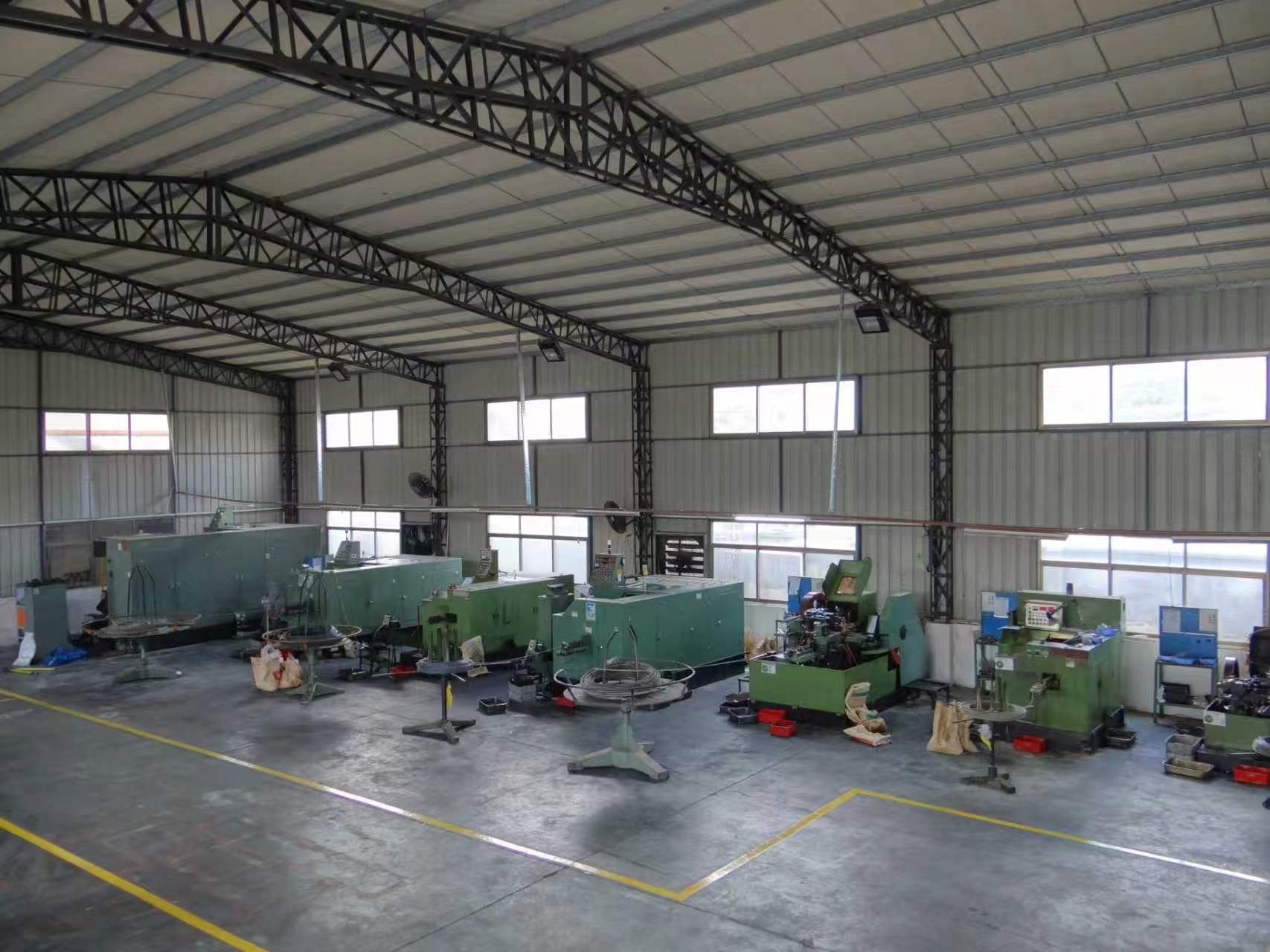
A first article sample can be a quiet turning point. The finish, the stitching, the slight curve of a plastic edge—these details rarely lie. When what arrives doesn't match the polished photos or the confident emails, the gap between who you thought you were dealing with and who actually made the part becomes impossible to ignore.
Sometimes the sample is impressive, but the paperwork tells a different story. A factory name on the inspection report doesn't match the one on the invoice. A tooling mark suggests a process the supplier claimed not to use. Small inconsistencies like these tend to snowball once you start paying attention, and suddenly the
The Gap Between Print Tolerance and Field Torque
Drawings often carry a torque value that looks precise on paper, yet the same number rarely survives contact with a jobsite. The stated tolerance assumes clean threads, controlled lubrication, calibrated tools, and a stable temperature. Field conditions tend to remove at least two of those assumptions before the first bolt is turned.
Part of the gap comes from how tolerances are written. A print may allow plus or minus five percent, but that band is not a guarantee of clamping force. Friction, embedment, and tool repeatability can push the actual preload well outside the intended range even when the wrench reads within spec. The torque reading becomes a proxy, not the real target.
Closing that distance requires treating the field as a measurement environment, not an afterthought. Calibration checks at the point of use, consistent lubrication, and torque-angle monitoring often reveal where the paper tolerance was optimistic. In practice, the most useful specification is one that accounts for how much scatter the assembly process will actually produce.
Certification Depth That Shifts Under Audit Pressure
Certification depth rarely stays constant once an audit date is confirmed. A plant that normally checks supplier certificates on a sample basis may suddenly review every active raw material file, verify the exact scope of each ISO 9001 certificate, and request missing test reports that had been tolerated for months. The written requirements are unchanged, but the internal threshold for accepting gaps tightens considerably. What was framed as routine compliance becomes a concentrated effort to close documentation holes before the auditor arrives.
This shift is seldom described in procedure manuals. It appears in the questions managers begin asking: whether a laboratory's accreditation covers the precise test method, whether a subcontractor's certificate lists the correct site address, whether operator training records align with the latest revision of a work instruction. In ordinary periods, such mismatches may sit in a corrective action log or go unnoticed. Under audit pressure, they become urgent enough to fix within days, often by re-scoping certificates or requesting updated documents from suppliers who had previously been accepted without them.
The practical effect is that certification depth becomes uneven over time. During audit windows, documentation is expanded and re-verified; once the pressure passes, the same files can drift back toward their earlier condition. That does not always indicate deliberate deception, but it does mean the certified system operates at two different levels of rigor. How deep the certification looks therefore depends heavily on when someone is watching.
Export Packing Built Around Site Handling Abuse
Most export crating is sized for container dimensions and then left to survive on hope. This packing starts at the receiving end: narrow doorways, forklift tines punching under the base, a sling that slips, a truck that brakes too hard. The crate base gets thicker skids and steel edge plates so it can be dragged and shoved without the bottom tearing open.
Internal blocking does more than fill space; it locks components to the crate so nothing shifts when the box is tipped or bounced across a gravel yard. Corner castings and battens are placed to absorb hits from fork heels and pry bars, not just to make the crate look solid.
Site crews rarely unpack gently, so fasteners are selected for removal with basic tools, and panels are marked so rigging points stay obvious after the wrap is torn away. The result is packaging built for the last, roughest stretch of delivery rather than only surviving the vessel.
Supplier Behavior After the First Delivery Window Slips
When the initial delivery date slips, the most telling signal is not the delay itself but what the supplier does in the next few hours. Some vendors immediately share revised timelines, inventory snapshots, and the specific bottleneck, while others wait until the customer asks. That first reaction usually sets the tone for the rest of the recovery.
A supplier that treats the missed window as a shared problem tends to offer alternatives without being prompted—partial shipments, air freight options, or a line-by-line reschedule. By contrast, suppliers that focus on assigning blame or hiding behind vague production issues often create a second wave of delays. Procurement teams quickly learn to separate those who manage expectations from those who manage perceptions.
After the slip, cadence also shifts. Reliable suppliers shorten their update intervals and name a single point of contact; less dependable ones go silent or flood inboxes with irrelevant status reports. The behavior in that gap often predicts how painful the next milestone will be.
FAQ
A dependable exporter thinks in terms of engineering risk, not just order volume. They carry mill certifications, maintain lot-level traceability, and can explain how a given fastener will behave under thermal cycling, vibration, or corrosive exposure. General suppliers often stop at dimensional checks.
Ask for material test reports tied to heat numbers, plating or coating certificates, dimensional inspection records, and any project-specific compliance documents such as EN 10204 3.1 or PPAP. The key is that the paperwork should trace back to the actual production batch, not a generic file.
It matters more than most people expect. Exporters with salt spray chambers, hardness testers, tensile rigs, and optical comparators can catch nonconformities before shipment. If testing is outsourced, turnaround slows down, and you lose a layer of accountability.
Yes, but in a practical way. Port access, local raw material availability, and time zone overlap with your project team influence how quickly problems get solved. A supplier with a slightly higher unit price can still be cheaper overall if they prevent delays.
Vague answers about alloy grades, inability to provide heat lot traceability, inconsistent surface finish across samples, slow responses to technical questions, and a pattern of substituting equivalent materials without approval. These usually signal weak process control.
Request samples from previous jobs that used the same coating system. Review their control plan for pretreatment, thickness, adhesion, and hydrogen embrittlement relief. A capable exporter will discuss failure modes openly instead of promising perfect results.
Often yes. Niche exporters may have tighter control over low-volume, high-complexity orders and more direct access to engineering staff. The deciding factor is process discipline and testing, not factory size.
A pilot order should verify dimensional accuracy, material properties, coating performance, packaging integrity, and documentation flow. It should also test how the exporter handles a deviation or technical query, since that reveals how problems will be managed later.
Conclusion
Evaluating a specialty fasteners exporter for demanding applications rarely comes down to the numbers on a quote. The real screening starts with material evidence that goes well beyond a standard mill certificate—heat traceability, independent mechanical test reports, and clear documentation of coating or plating processes often reveal whether a supplier actually controls its supply chain or merely forwards paperwork. A first article sample can be even more revealing: thread form, surface finish, and dimensional consistency tend to expose shortcuts that polished brochures hide, and mismatches between stated print tolerance and actual field torque behavior usually point to friction, lubrication, or heat treatment issues that only show up on site.
Certification depth matters only if it survives an audit, so buyers should watch how quickly a supplier can produce full lot traceability and corrective action records under pressure. Export packing is another overlooked test—crates, dividers, and moisture protection need to be built around rough handling rather than warehouse convenience. Finally, the way a supplier behaves after the first delivery window slips is often the clearest signal: a credible partner communicates early, adjusts schedules honestly, and fixes root causes instead of offering excuses. These combined factors separate exporters who can support high-performance projects from those who merely fill orders.
Contact Us
Contact Person: Mason Lv
Email: [email protected]
Tel/WhatsApp: +86 13027998452
Website: https://www.peakfastentech.com