

Snap Hook Wholesaler Checklist for Reliable Bulk Orders
2026-11-16
Ordering snap hooks in bulk shouldn't feel like a leap of faith. One bad batch can stall production, frustrate customers, and quietly eat into your margins. This checklist cuts through the guesswork. It's built for wholesalers who need consistent finish quality, honest load ratings, and dependable lead times—not just a cheap quote. We'll walk through the non-negotiables before you commit to a container. Along the way, you'll see why hardware buyers keep Kingming on their shortlist. Let's get into it.
Material Markings That Tell You More Than the Price
A small leather stamp on the inside of a shoe or a row of symbols on a care label often reveals more than the number on the ticket. Those markings tell you whether a fabric will shrink, whether a coating will crack, and whether a metal alloy can handle moisture without corroding. They sit quietly next to the barcode, but they carry the kind of information that determines how long an item actually lasts.
Look beyond the brand name and the fiber percentages. A recycling triangle with a number is not just about disposal; it hints at how brittle a plastic container might be after a few washes. A leather symbol that looks like a stretched hide means the surface is real skin, while a diamond shape points to man-made material. On metal parts, letters like 316 or 18/8 aren't decorative codes—they signal resistance to rust in humid bathrooms or near the coast.
Some of the most useful details are hidden in symbols that shoppers rarely stop to decode. A crossed-out triangle on a garment means no bleach, which can save an off-white shirt from turning yellow. An hourglass symbol on footwear indicates materials that can't handle prolonged heat. These markings don't shout for attention, but once you learn a handful of them, the price tag becomes the least interesting part of the label.
Why Load Ratings Need Test Reports, Not Assurances
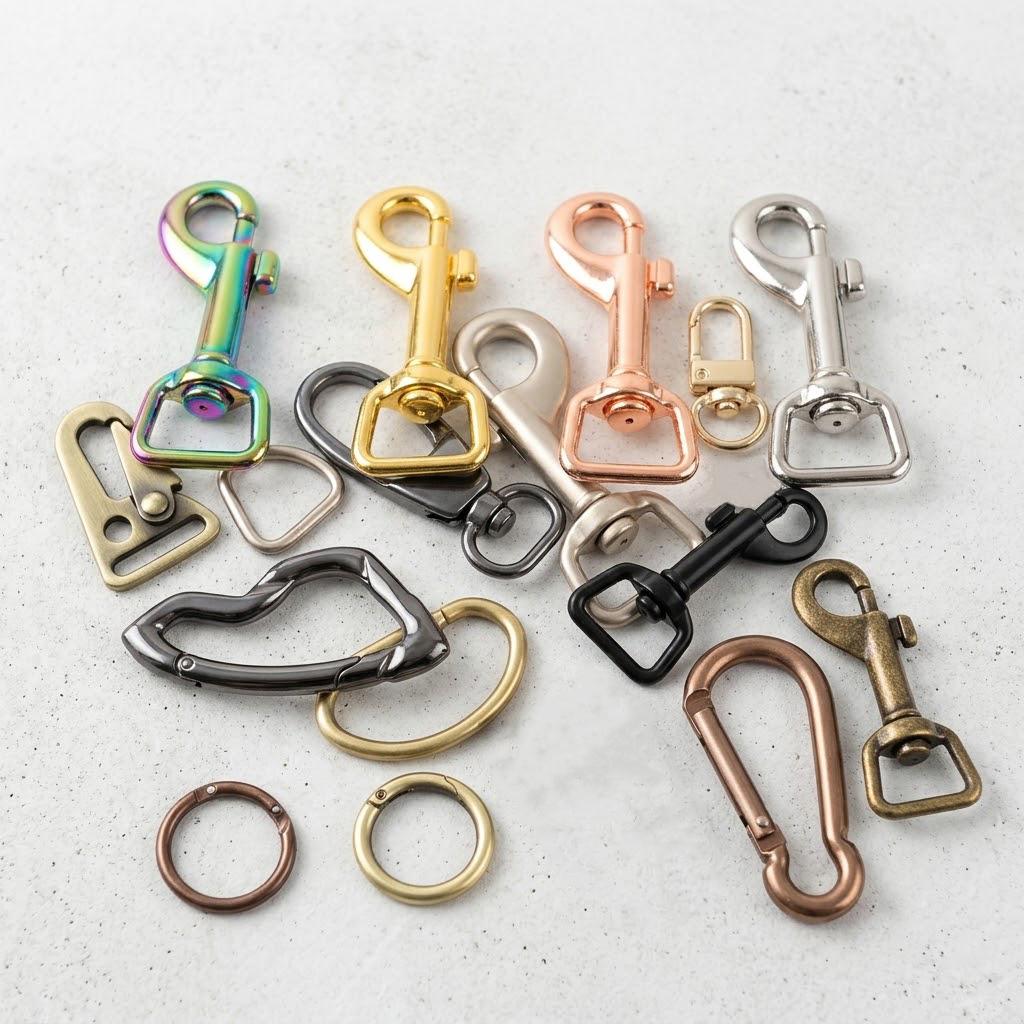
A load rating that exists only as a verbal promise leaves too much room for doubt. When a supplier says a platform can hold 2,000 pounds but cannot show how that number was reached, the figure is little more than a marketing claim. Test reports close that gap by documenting the exact setup, the applied force, and the point of failure. Without those details, buyers are left to gamble on assumptions rather than engineering.
Test reports also force consistency. Two products can be stamped with the same number and still behave very differently depending on weld quality, material thickness, or how the load is distributed. A report reveals whether the rating came from a static test, a dynamic test, or a calculation based on a similar design. That distinction matters because a beam rated for a slow, centered load may fail quickly under a shifting one. Assurances tend to hide those boundaries; reports put them in writing.
Beyond the engineering details, the paper trail carries real weight when something goes wrong. In an accident investigation or an insurance dispute, a supplier's emailed guarantee rarely stands up against a dated report from a recognized test procedure. The report identifies what was tested, who tested it, and under what standard. That kind of traceability turns a load rating from a rough promise into a defensible engineering record.
Plating Flaws That Only Show Up After Unpacking
Some plating issues are invisible on the inspection bench but become obvious the moment a part is pulled from its foam insert. Traces of trapped moisture, adhesive outgassing, or even the plasticizer in a poly bag can spend days or weeks reacting with a fresh deposit. By the time the customer lifts the component into daylight, there is a faint haze, a blush near the edges, or a rainbow stain that was never present during final QC.
Edge lifting and micro-cracking are often blamed on rough handling, but they usually start much earlier. The internal stress left in a bright nickel or chromium layer can slowly relax while the part sits sealed in packaging. Corners, threads, and any sharp geometry act as release points. When the package is finally opened, the shift in temperature and humidity is enough to turn that hidden tension into a visible split or a fine lacework of cracks around holes and recesses.
A useful check is to rotate the part under a single light source rather than relying on a bright inspection lamp. Cloudy patches, dull streaks, and faint finger-shaped marks tend to appear only at certain angles after unpacking. If the surface looks uneven next to a known good part, the plating has already changed inside the packaging. That kind of delayed flaw is rarely a shipping scar; it is a process condition waiting for the right moment to show itself.
Gate Tension and Spring Quality Across a Full Batch
Across a full production batch, gate tension rarely stays pinned to a single number. Even when the springs come from the same wire lot, minor shifts in coiling order, heat-treat placement, and the way parts are handled before assembly can push the tension up or down by a noticeable margin. Checking every spring with a force gauge sounds thorough but quickly becomes impractical on longer runs, while a quick pull from the top of the bin often misses drift that only appears halfway through the batch.
Spring quality is not just about a stiffness rating on paper. Free length, end-squareness, and surface finish all play into how a gate actually feels when it is opened and closed. In a single batch those features can move around because of plating thickness, cleaning time, or even how tightly the springs are packed for shipping. Two springs with identical coil counts can still behave differently once installed, which is why a batch that passes a lab test may still produce gates with uneven resistance on the line.
A more useful control method is to measure tension at the working stroke rather than at full compression, then hold the whole batch inside a defined band instead of chasing a single ideal value. Keeping springs grouped by incoming lot and rotating stock so older material does not sit under load also helps reduce slow shifts in performance. The goal is less about making every spring identical and more about keeping the tail ends of the batch close enough that no gate leaves the line feeling weak or overly stiff.
Packaging Decisions That Prevent Damage Claims Before They Start
Damage claims usually begin long before a box hits a conveyor. The first decision that matters is not how much tape you use, but whether the item can move inside its own carton. A snug fit engineered around the product's heaviest point removes the need for layers of void fill that settle and shift after a few drops. When a carton flexes, the fill collapses, and the product starts absorbing impact directly.
Material choices have to match the punishment of the route, not just the weight of the item. A single-wall carton with a high burst rating can still fail at the corners if the flute profile is too light for the carton's longest panel. Double-wall corners, reinforced staples, and full-depth inserts cost a bit more up front, but they stop the kind of corner crush that leads to photos of bent edges and torn flaps in a claim file.
Closure is where a lot of otherwise strong packaging comes apart. Tape that loses adhesion in cold or dusty environments leaves a carton relying on its own rigidity, which is rarely enough. Wide, pressure-sensitive tape applied across both major seams, plus a strip along the bottom center, keeps flaps from bowing outward when stacked unevenly. That outward bow is often the first visible sign that the package was not built for real freight handling.
One Last Pre-Shipment Check to Catch Mixed Components
Nothing erodes buyer trust faster than opening a box and finding a capacitor where a resistor should be. Mixed components aren't always the result of careless picking; they can creep in when reel remnants get consolidated, when labels peel off mid-run, or when a schedule change pushes two similar part numbers through the same station. A single visual sweep before sealing the carton gives you one last chance to spot value mismatches, polarity reversals, or wrong footprints that inline checks may have missed.
Make this check tactile, not just visual. Pick up a handful of parts from the outer edge of the tray or the first few inches of tape and compare them against the packing slip under good light. Match the laser marking orientation, body color, and size tolerance rather than trusting the printed label alone. If you find one wrong component, don't just swap it and move on; open three more random locations from the same batch. Contamination rarely travels solo.
Time spent here is cheaper than a full-line stoppage or a customer RMA. Ten focused seconds at the dock can prevent weeks of field failures, especially when you're shipping kits with look-alike connectors or switching between closely binned resistors. When this final check becomes part of the closeout routine, mixed components stop leaving the building.
FAQ
Ask for the actual material grade, not just 'stainless steel' or 'zinc alloy.' Request a small batch from the same production line they will use for bulk, and measure wire diameter, gate spring tension, and whether the finish shows scratches after a light rub. If they cannot send production-line samples, that is usually a red flag.
Request their salt spray test records for plated or coated hooks, and ask how often they inspect the plating thickness. A dependable supplier usually has a target range, such as 48 to 72 hours neutral salt spray without red rust, and checks sample pieces from multiple positions in each rack rather than testing one polished sample.
It depends on whether they already have the tooling. For a common size and finish, some wholesalers may run 5,000 to 10,000 pieces. If a new mold or die is needed, expect to cover tooling separately, often with a higher first order around 20,000 to 30,000 pieces. Be suspicious if the MOQ seems too low for custom work because the unit price usually hides the tooling cost.
Gate closure and spring memory are the two that cause the most field failures. Ask for a pull test on the gate, a bend test on the body, and a cycle test on the spring. Also confirm they inspect for sharp edges around the gate opening, because that is a common reason buyers reject an entire carton.
Ask how they derived the rating. A reliable answer includes the test method, sample size, and safety factor, such as a 4:1 ratio between breaking strength and working load. If they only quote a number without a test report or material traceability, treat it as a marketing figure, not an engineering value.
Decide the inner bag count, carton weight limit, and whether hooks are separated by size and finish. Small parts like snap hooks often arrive scratched or tangled if packed too loosely. Confirm that cartons are labeled with order code, quantity, and production date, and ask for a packing photo before dispatch.
In-house production gives you faster corrective action when spring tension or plating goes wrong. A trading company can still work if they have one dedicated factory and transparent communication. The key is not the business type but whether you can reach the person who controls the production schedule, not just a sales agent.
Agree on an acceptable defect rate, such as 1.5% or 2%, and how rejected pieces are handled. Also lock in material grade, finish, gate tension range, and packing method in the order sheet. Ask for a pre-shipment inspection sample from the actual cartons, not a separate 'golden sample.'
Conclusion
When you are ordering snap hooks in bulk, the markings stamped into the metal usually tell you more than a supplier's quote. A clear grade code, batch number, or manufacturer mark gives you a way to trace the material if something goes wrong later. Faint or missing stamps often mean mixed sourcing, even when the samples looked fine. Load ratings deserve the same skepticism: ask for test reports from a recognized lab and confirm they match the exact size and pattern you are buying, because a certificate for a similar product from an older run is not the same thing. After the cartons land, unpack a few pieces under bright light before they reach your shelves. Blisters, thin edges, and dull patches in the plating may not show in pre-shipment photos, but they tend to spread once the hooks sit in humid or coastal conditions.
Gate tension and spring quality need to be checked across the whole batch, not just the first handful. If even a small percentage of gates feel weak or snap back unevenly, that can turn into a serious complaint from job sites or retail customers. Packaging plays a bigger role than it gets credit for: dividers, interleaving, or sealed bags should stop hooks from grinding together and wearing off the finish in transit. Before you accept the shipment, open a few cartons from different pallets and look for mixed components. A different throat length, a lighter body, or an off-pattern gate can hide among otherwise identical pieces. Catching that mix at the warehouse is far cheaper than handling returns, replacing stock, and explaining the mistake to your own buyers.
Contact Us
Contact Person: Jamie Zeng
Email: [email protected]
Tel/WhatsApp: +86 13728219269
Website: https://www.kmhardware.com