

SF6 Load Switch Innovations: How Leading Companies Are Transforming Power Distribution
2026-01-18
Are you curious about the latest breakthroughs in power distribution technology? In today's rapidly evolving energy landscape, innovations in SF6 load switches are revolutionizing how electricity is managed and delivered. From enhancing safety to improving efficiency, leading companies are at the forefront of this transformation. At Lugao, we're proud to be part of this dynamic shift, driving advancements that redefine power distribution standards. Dive into this blog to explore how cutting-edge solutions from Lugao and other industry pioneers are shaping a more reliable and sustainable future. Get ready to uncover the secrets behind these game-changing technologies and see why staying ahead matters more than ever.
Revolutionizing Power Grids: Breakthroughs in SF6 Load Switch Technology
The recent innovations in SF6 (sulfur hexafluoride) load switch technology are dramatically enhancing the efficiency and reliability of power grids worldwide. By leveraging advanced materials and compact designs, these switches now offer superior arc-quenching capabilities, reducing the risk of electrical faults and minimizing downtime. Engineers have also integrated smart monitoring systems that provide real-time data on switch performance, enabling proactive maintenance and optimizing grid operations. This progress is particularly crucial in expanding renewable energy integration, where stable grid management is essential.
Key breakthroughs include the development of eco-friendly alternatives to traditional SF6 gas, such as nitrogen-based mixtures or synthetic gases, which significantly lower greenhouse gas emissions without compromising insulation properties. Research institutions and manufacturers are collaborating to refine these solutions, resulting in switches that are not only more sustainable but also cost-effective over their lifecycle. These advancements are helping utilities meet stringent environmental regulations while ensuring robust power delivery in both urban and remote areas.
Looking ahead, the evolution of SF6 load switch technology is poised to transform grid resilience. New models incorporate modular designs for easier upgrades and AI-driven predictive analytics to anticipate failures before they occur. This shift towards smarter, greener infrastructure supports global efforts to modernize energy systems, making grids more adaptable to fluctuating demands and extreme weather events, ultimately paving the way for a more secure and sustainable future.
Enhancing Grid Reliability: Innovations from Industry Leaders in SF6 Switches
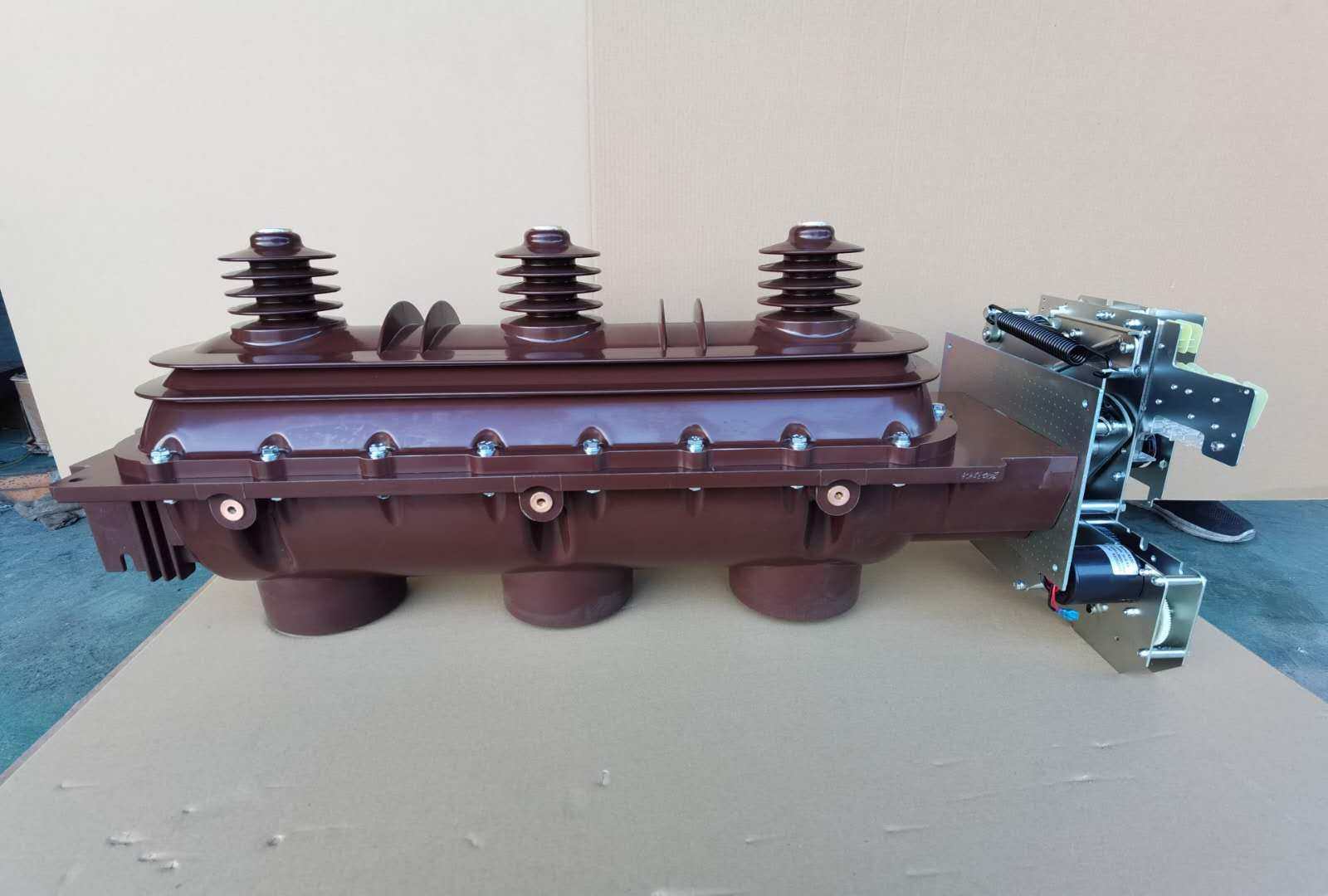
Industry leaders in SF6 switches are pioneering groundbreaking advancements that directly tackle grid reliability challenges. By developing advanced sensor technologies, these companies enable real-time monitoring of gas pressure and insulation integrity, allowing for proactive maintenance and preventing unexpected failures. Innovations like self-healing mechanisms and enhanced arc-quenching capabilities further reduce downtime, ensuring continuous power supply even under extreme conditions. Through such technologies, SF6 switches are becoming more resilient, contributing significantly to the stability of modern electrical grids.
Another key innovation from top manufacturers involves eco-friendly alternatives and improved SF6 management systems. While maintaining high reliability, companies are introducing hybrid solutions that combine SF6 with lower-impact gases, reducing environmental risks without compromising performance. Additionally, smart diagnostics and predictive analytics integrated into these switches provide operators with actionable insights, optimizing grid operations. This focus on sustainability and intelligence sets new benchmarks, making SF6 switches a cornerstone in reliable energy distribution networks.
Collaboration across the industry is driving further enhancements, with leaders sharing best practices and co-developing robust standards. Customizable designs tailored to specific grid needs, such as urban or remote applications, ensure adaptability and longevity. By pushing the boundaries of material science and digital integration, these innovations not only bolster reliability but also future-proof infrastructure against emerging challenges. Ultimately, the ongoing evolution of SF6 switches underscores a commitment to delivering dependable, efficient power worldwide.
Sustainable Practices: How Companies Are Modernizing Power Distribution with SF6
As global energy demands surge, companies are increasingly leveraging sulfur hexafluoride (SF6) to enhance the efficiency and reliability of power distribution networks. This gas, known for its excellent insulating properties, allows for the design of compact and high-voltage switchgear, reducing energy losses and minimizing environmental footprints. By replacing outdated equipment with SF6-based systems, utilities can achieve more stable grids that better integrate renewable sources like solar and wind, contributing to a cleaner energy transition on a large scale.
Beyond its technical advantages, the modernization of power distribution with SF6 also addresses critical sustainability challenges. Companies are adopting advanced monitoring and recycling techniques to mitigate SF6's high global warming potential, ensuring that its use aligns with environmental regulations and corporate green initiatives. This proactive approach not only enhances operational safety but also fosters innovation in gas handling and leak detection, setting a new standard for responsible industrial practices in the energy sector.
Looking forward, the integration of SF6 in power distribution is part of a broader strategy to future-proof electrical infrastructures against climate change and urbanization pressures. By investing in smart grids and automated systems that utilize SF6, companies can improve grid resilience, reduce maintenance costs, and support decentralized energy models. This shift highlights how sustainable practices are driving tangible improvements in both economic performance and ecological balance, making SF6 a key enabler in the quest for modern, efficient, and eco-friendly power distribution.
Cutting-Edge Solutions: Advancements in SF6 Load Switch Design and Efficiency
Recent innovations in SF6 load switch technology have transformed the landscape of electrical distribution systems, focusing on enhanced performance and operational reliability. Engineers are integrating advanced insulation materials and optimized contact geometries to reduce electrical arcing and extend the lifespan of switches. These modifications address common issues such as wear and tear, ensuring smoother switching operations even under demanding conditions.
Another key advancement lies in the integration of smart monitoring features, which enable real-time data collection on switch performance and environmental conditions. This allows for predictive maintenance, minimizing downtime and reducing the risk of unexpected failures. By leveraging IoT connectivity, utilities can now manage loads more efficiently and respond proactively to fluctuations in demand.
Design improvements also prioritize eco-efficiency, with manufacturers developing compact, lightweight models that require less SF6 gas without compromising safety. These innovations not only lower operational costs but also align with global sustainability goals, making SF6 load switches a forward-thinking choice for modern power networks.
Transforming Infrastructure: Real-World Applications of New SF6 Technologies
In the realm of electrical infrastructure, new SF6 technologies are revolutionizing how we approach power distribution and grid stability. These advancements go beyond mere efficiency gains, offering tangible solutions for reducing environmental impact while maintaining reliability. For instance, innovative gas handling systems minimize leaks, and advanced monitoring tools provide real-time data on equipment health, allowing utilities to proactively address issues before they escalate into costly failures or safety hazards.
From urban substations to remote renewable energy sites, SF6 innovations are being deployed in diverse settings. In dense cityscapes, compact SF6-insulated switchgear enables high-voltage operations with a smaller footprint, freeing up valuable space. In contrast, for wind farms or solar installations in harsh environments, these technologies enhance durability against extreme weather, ensuring consistent power delivery despite fluctuating conditions. This adaptability showcases how SF6 isn't just a static component but a dynamic enabler of resilient infrastructures worldwide.
Beyond technical specs, the real-world impact of these SF6 technologies lies in their ability to foster sustainable growth. By curbing greenhouse gas emissions through improved containment and alternative gas blends, they support climate goals without compromising performance. Utilities adopting these systems report reduced maintenance costs and extended equipment lifespans, translating to long-term savings and enhanced service continuity for communities. As industries prioritize green transitions, such applications position SF6 as a key player in modernizing our energy landscape for a cleaner, more efficient future.
Future Trends: The Evolution of Power Distribution Through SF6 Switch Innovations
In recent years, the power distribution landscape has been undergoing a quiet yet significant transformation, largely driven by advancements in SF6 switch technology. These innovations are not just incremental upgrades; they represent a fundamental shift towards more efficient, safe, and sustainable energy networks. As utilities grapple with increasing demand and environmental concerns, SF6 switches are emerging as key enablers of a smarter grid, with features like reduced leakage and enhanced durability paving the way for next-generation applications.
Looking ahead, the evolution of SF6 switch innovations is poised to accelerate, with trends leaning toward digital integration and eco-friendly alternatives. For instance, the incorporation of IoT sensors and AI-driven diagnostics is making it possible to predict failures before they occur, minimizing downtime and maintenance costs. Additionally, ongoing research into low-GWP (Global Warming Potential) gases as substitutes for SF6 is gaining momentum, addressing sustainability issues while maintaining the reliability that modern power systems require.
Ultimately, these developments signal a future where power distribution is not only more robust but also more adaptive to emerging challenges like renewable energy integration and climate resilience. By embracing SF6 switch innovations, the industry is charting a path toward a more resilient and intelligent grid, capable of meeting the dynamic needs of tomorrow's energy consumers.
FAQ
Recent innovations focus on enhancing safety, reliability, and sustainability. Leading companies are developing compact designs with advanced insulation, reduced SF6 usage or alternatives to lower environmental impact, and integrated smart sensors for real-time monitoring, which helps prevent outages and optimize grid performance.
By incorporating features like self-healing mechanisms, improved arc quenching, and remote control capabilities, these switches minimize downtime during faults. Smart monitoring alerts operators to potential issues before they escalate, ensuring a more stable and resilient power distribution network in urban and rural areas.
Sustainability is a key driver, pushing companies to innovate beyond traditional SF6 gas due to its high global warming potential. Solutions include hybrid or SF6-free designs using eco-friendly gases, recyclable materials, and energy-efficient components to reduce carbon footprints and comply with stricter environmental regulations.
Modern switches embed IoT sensors and communication modules to collect data on temperature, load, and gas pressure. This data is transmitted to central systems for analytics, enabling predictive maintenance, automated switching, and better decision-making, all while maintaining human oversight for critical operations.
Challenges include high initial costs for R&D and deployment, retrofitting existing infrastructure, ensuring compatibility with legacy systems, and training personnel on advanced technologies. Regulatory hurdles and market acceptance of alternatives also slow adoption, requiring phased implementation strategies.
They differentiate by offering customizable solutions tailored to specific grid needs, such as high-altitude or coastal environments, emphasizing durability and low maintenance. Value-added services like 24/7 technical support and lifecycle management further set them apart, focusing on long-term partnerships rather than just product sales.
Conclusion
The landscape of power distribution is undergoing a profound transformation, driven by cutting-edge innovations in SF6 load switch technology. Leading companies are revolutionizing power grids with breakthrough designs that enhance grid reliability and operational efficiency. These advancements go beyond mere hardware upgrades; they represent a fundamental shift in how electricity is managed and delivered. By integrating sustainable practices into their modernization efforts, these industry pioneers are not only improving performance but also addressing environmental considerations, making SF6 technology a cornerstone of future-ready infrastructure.
Real-world applications of new SF6 technologies are already demonstrating tangible benefits, from reduced downtime to increased safety and scalability. As companies deploy these transformative solutions, they are paving the way for a more resilient and adaptable power distribution network. Looking ahead, future trends point to an evolution where SF6 switch innovations continue to play a pivotal role, enabling smarter grids and supporting global energy transitions. This ongoing progress underscores how strategic innovation in SF6 load switches is reshaping the very foundation of modern power systems, ensuring they meet the demands of tomorrow.
Contact Us
Contact Person: Doreen
Email: [email protected]
Tel/WhatsApp: 8618057712366
Website: https://www.liugaopower.com/