

Professional Flour Processing Machine: Expert Tips for Optimized Milling and Baking Results
2026-04-23
In the world of baking, precision matters. From the first crack of wheat to the golden crust of a fresh loaf, every step in flour processing shapes the final outcome. At PINGLE, we understand that mastering these details isn't just about machinery—it's about elevating your craft. Our expertise in professional flour processing goes beyond the basics, offering insights that can transform your milling and baking results. In this blog, we'll dive into expert tips tailored to optimize your process, whether you're a seasoned baker or just starting out. Discover how cutting-edge techniques and smart strategies can enhance flavor, texture, and efficiency. Ready to unlock the secrets behind perfect flour? Join us as we explore the art and science that makes PINGLE a trusted name in the industry, and see how our solutions can inspire your next culinary creation.
Advanced Flour Milling Techniques for Enhanced Baking Performance
Imagine stepping into a bakery where every loaf of bread boasts a perfect crumb structure, and pastries rise with consistent, airy lightness. This isn't just the result of a skilled baker's hands; it's deeply rooted in the flour they use. Advanced milling techniques, such as cold milling and stone grinding, are revolutionizing how we produce flour. By carefully controlling temperature during milling, these methods preserve the wheat's natural enzymes and proteins, which are crucial for dough elasticity and fermentation. The result? Flour that behaves predictably in recipes, leading to baked goods with superior texture, flavor retention, and overall baking performance that consistently delights both professionals and home enthusiasts alike.
Beyond temperature control, particle size distribution plays a pivotal role in enhancing baking outcomes. Modern mills employ precision sifting and air classification to separate flour into fractions with specific particle sizes. For instance, finer particles can improve hydration and create smoother doughs, ideal for delicate pastries, while coarser particles might be blended in for rustic breads that require more chew. This tailored approach allows bakers to customize flour blends that optimize gluten development, water absorption, and starch gelatinization, directly influencing the final product's rise, crust, and shelf life in ways traditional milling can't match.
Moreover, integrating whole-grain and ancient grain flours into advanced milling processes adds another layer of complexity and benefit. Techniques like debranning or pearling remove only the outermost husk before milling, retaining more nutrients and flavor while reducing bitterness. Combined with gentle extraction rates, this ensures high-quality flour that supports healthier baking without compromising on performance. As a result, bakers can craft nutrient-dense items that are both delicious and structurally sound, showcasing how cutting-edge milling isn't just about efficiency—it's about unlocking the full potential of every kernel to elevate the entire baking experience.
Essential Maintenance Practices to Prolong Machine Lifespan and Efficiency
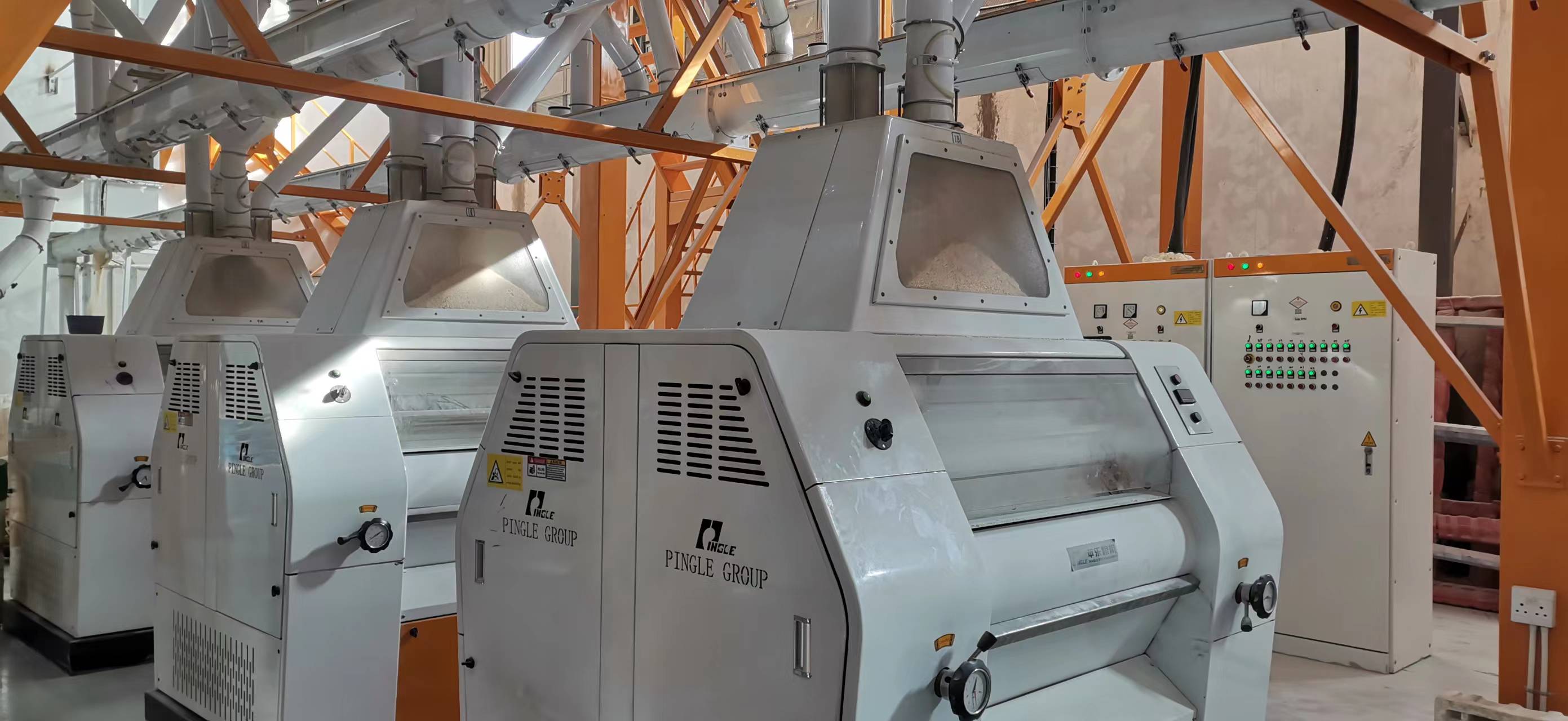
Keeping machinery running smoothly over the years isn't just about fixing things when they break—it's about building a proactive routine that wards off wear and tear before it starts. Think of it like caring for a well-loved car: regular oil changes and tire checks prevent major breakdowns, and the same logic applies to industrial equipment. By scheduling consistent inspections and minor adjustments, you catch small issues like loose bolts or unusual vibrations early, turning potential disasters into simple fixes that save both time and money in the long haul.
Another key aspect involves understanding the unique demands of each machine in your setup. Different environments, whether dusty factories or humid processing plants, require tailored maintenance approaches. For instance, a conveyor system in a gritty mining operation might need more frequent cleaning and lubrication than one in a climate-controlled warehouse. Customizing your care based on these factors ensures that each piece of equipment gets exactly what it needs, boosting reliability without overdoing it on unnecessary tasks.
Beyond the nuts and bolts, fostering a culture of attention among your team can make all the difference. When operators are trained to spot early warning signs and report them promptly, maintenance becomes a shared responsibility rather than a chore. This collaborative approach not only extends machine lifespan by preventing neglect but also enhances overall efficiency, as everyone works together to keep things humming smoothly and avoid costly downtime.
Innovative Features That Revolutionize Modern Flour Processing Workflows
A standout shift in today's flour processing lies in advanced automation systems that integrate seamlessly from grain intake to packaging. Imagine sensors that instantly analyze moisture and protein levels, adjusting milling parameters on-the-fly to maintain consistent quality—no human intervention needed. This not only slashes waste but also ensures every batch meets precise specifications, whether for artisan breads or industrial pastries.
Another game-changer is predictive maintenance powered by AI, which anticipates equipment failures before they disrupt production. By analyzing data from motors and sieves, mills can schedule repairs during off-hours, avoiding costly downtime. This smart approach keeps lines running smoothly, boosting output while reducing energy consumption, all without the guesswork of traditional methods.
Beyond efficiency, sustainability features are redefining workflows, with closed-loop systems that recycle heat and water. New designs capture excess heat from grinders to pre-warm incoming grain, cutting fuel use, while water-reclamation tech minimizes waste. These innovations not only trim costs but also align with eco-conscious demands, making mills more resilient and forward-thinking in a competitive market.
Customizing Milling Settings for Different Flour Types and Baking Needs
Did you know that the same grain can yield vastly different flours depending on how finely it's milled? For example, using a coarser grind for whole wheat flour helps preserve more of the bran's natural texture and nutrients, which is ideal for rustic breads where a hearty crumb is desired. On the other hand, a finer setting works wonders for pastries, as it allows the flour to blend smoothly with fats, creating that melt-in-your-mouth flakiness. By tweaking your milling equipment to these specifications, you can truly tailor the flour to the intended bake, resulting in products that not only taste better but also showcase distinct visual and textural qualities.
When aiming for high-protein flours like those suited for bagels or artisan sourdough, adjusting the milling speed and sieve size becomes crucial. Slower milling speeds at specific settings can minimize heat buildup, preventing gluten degradation and thus preserving the dough's strength. This subtle control ensures the flour retains enough protein integrity to support long fermentation times and chewy textures. It's not just about grinding; it's about understanding how each adjustment—from particle size to milling temperature—impacts the final dough's behavior in the oven, whether you're aiming for a crisp crust or a soft interior.
Beyond texture and protein, consider how milling variations affect hydration levels. Finer flours, such as those for delicate cakes, tend to absorb liquids more efficiently, so recipes might need less additional water to achieve the perfect batter consistency. Conversely, coarser flours like those used in multigrain loaves may hold onto moisture differently, which influences proofing times and overall loaf structure. By mastering these settings, bakers can fine-tune their workflows to match specific baking environments, from high-altitude adjustments to humidity-controlled kitchens, ensuring consistent results no matter the challenge.
Practical Troubleshooting Tips for Common Milling Machine Issues
When your milling machine starts acting up, it’s easy to feel stuck, but a few straightforward checks can often get things back on track. For example, if you’re getting poor surface finishes or uneven cuts, start by looking at the cutting tools—dull or chipped inserts are common culprits that even experienced machinists overlook in a rush. Take a moment to inspect them under good light and swap out any that show wear; this simple step can save hours of rework. Also, don’t forget to verify the workpiece is securely clamped, as slight movement during operation can lead to frustrating inaccuracies.
Another frequent headache is unusual vibrations or noises, which might signal deeper issues like misalignment or worn-out bearings. Instead of ignoring the rattle, try running the machine at a lower speed to see if it persists—if it does, check the spindle and tool holder for tightness. Loose components can creep up over time, especially after heavy use. I’ve found that keeping a maintenance log helps track when parts were last serviced, making it easier to spot patterns before minor quirks turn into major breakdowns.
For problems like the machine not starting or stopping abruptly, it’s worth checking the basics before calling in a technician. Ensure all safety switches are engaged and that there’s no debris blocking the coolant or lubrication systems, as clogs can trigger automatic shutdowns. A quick visual sweep of the electrical connections might reveal loose wires or corrosion, common in dusty workshops. By tackling these troubleshooting tips methodically, you can often resolve issues on the spot, keeping your projects moving smoothly without unnecessary downtime.
Integrating Technology and Automation for Consistent High-Quality Outputs
Incorporating technology and automation into workflows is essential for maintaining a steady stream of top-tier results. By leveraging tools like machine learning algorithms and robotic process automation, organizations can minimize human error and reduce variability in production. This approach ensures that every output meets stringent quality benchmarks, fostering trust and reliability in both internal processes and customer-facing products.
Adopting advanced systems, such as real-time monitoring and predictive analytics, allows teams to proactively address potential issues before they escalate. This not only enhances consistency but also optimizes resource allocation, leading to more efficient operations. As a result, businesses can deliver high-quality outputs consistently, even under fluctuating demands or complex conditions, giving them a competitive edge in dynamic markets.
Embracing automation doesn't mean replacing human creativity; rather, it frees up skilled professionals to focus on innovation and strategic tasks. By automating repetitive and time-consuming activities, companies can achieve a harmonious blend of technology and human expertise. This synergy drives continuous improvement and ensures that quality remains a constant, scalable attribute across all outputs, from initial design to final delivery.
FAQ
Look for features like precision milling controls, consistent particle size distribution, temperature regulation to prevent overheating, and easy-to-clean stainless steel components. These ensure high-quality flour that performs well in baking.
Professional machines fine-tune grinding parameters, reduce heat damage to gluten, and offer customizable settings for different grains. This enhances flour's nutritional retention and baking properties, reducing batch inconsistencies.
Regular cleaning to remove flour residue, lubrication of moving parts per manufacturer guidelines, and inspection of wear components like sieves and blades help prevent breakdowns and maintain efficiency over time.
Consistent particle size promotes even hydration and mixing in dough, leading to uniform texture in baked goods. Professional machines use advanced sieving and grinding mechanisms with automated adjustments to minimize variations.
Yes, it can process wheat, rye, oats, and more. Adjust settings like grind speed, sieve size, and feed rate based on grain hardness and desired fineness to optimize results for each type.
Wear protective gear like masks and gloves, ensure proper ventilation to avoid dust buildup, secure all guards and emergency stops, and follow lockout/tagout procedures during maintenance to prevent accidents.
Excessive heat can denature proteins and damage starch, weakening gluten development. Professional machines use cooling systems or low-speed grinding to keep temperatures stable, preserving flour's functional qualities for better rise and texture in baking.
Conclusion
Professional flour processing machines can significantly enhance milling efficiency and baking outcomes through various expert strategies. Advanced flour milling techniques, such as precise temperature control and particle size adjustment, improve gluten development and texture for superior baked goods. Customizing milling settings for different flour types—like whole wheat versus refined—ensures optimal performance tailored to specific baking needs, whether for bread, pastries, or other products. Additionally, integrating technology and automation features, such as digital monitors and automated feed systems, revolutionizes workflows by promoting consistent high-quality outputs with minimal human intervention.
To maximize the benefits of these machines, essential maintenance practices are vital for prolonging lifespan and maintaining efficiency. Regular cleaning, lubrication, and part inspections prevent wear and reduce downtime. Innovative features, including self-diagnostic tools and energy-efficient designs, further streamline operations and boost productivity. In case of issues, practical troubleshooting tips, like checking for blockages or calibrating sensors, help resolve common problems quickly, ensuring smooth operation. By embracing these expert tips, users can achieve optimized milling results and elevate their baking endeavors to new heights.
Contact Us
Contact Person: Jiakuo Wu
Email: [email protected]
Tel/WhatsApp: +86-13011566087
Website: https://www.pinglemachine.com