

Plate Rolling Machine Manufacturing: Best Practices and Innovations
2026-01-26
In an industry where precision meets power, plate rolling machines stand as the backbone of modern metal fabrication. At JIAN MENG, we’ve witnessed firsthand how innovations in manufacturing aren’t just about building better machines—they’re about reshaping what’s possible. This blog dives into the best practices and groundbreaking advancements that are setting new standards in plate rolling technology. Whether you’re a seasoned engineer or a curious newcomer, you’ll discover insights that blend tried-and-true methods with cutting-edge approaches. Let’s explore how these innovations are driving efficiency, enhancing durability, and opening doors to creative metalwork solutions worldwide.
Exploring Key Design Principles for Modern Plate Rolling Machines
Modern plate rolling machines are engineered to meet the demands of industries requiring precise metal forming, from shipbuilding to aerospace. A key design principle involves integrating advanced digital controls that allow for real-time monitoring and adjustments. This ensures consistent material handling and reduces waste through predictive maintenance features, making operations not only more efficient but also safer for operators in high-stakes environments.
Another crucial aspect is the focus on material flexibility. Designers are now prioritizing machines capable of handling a wide range of metals, including high-strength alloys and composites. This is achieved through modular components and adaptive tooling systems that can be quickly reconfigured. Such versatility means that a single machine can serve multiple production needs, cutting down on downtime and capital investment for specialized equipment.
Durability and energy efficiency are also at the forefront of modern designs. Engineers are using lighter yet stronger materials in construction, such as reinforced carbon structures, which enhance the machine's lifespan without compromising performance. Coupled with regenerative braking systems and optimized power usage, these innovations lead to significant reductions in operational costs and environmental impact, aligning with sustainable manufacturing trends.
Innovative Materials and Technologies Transforming Manufacturing Efficiency
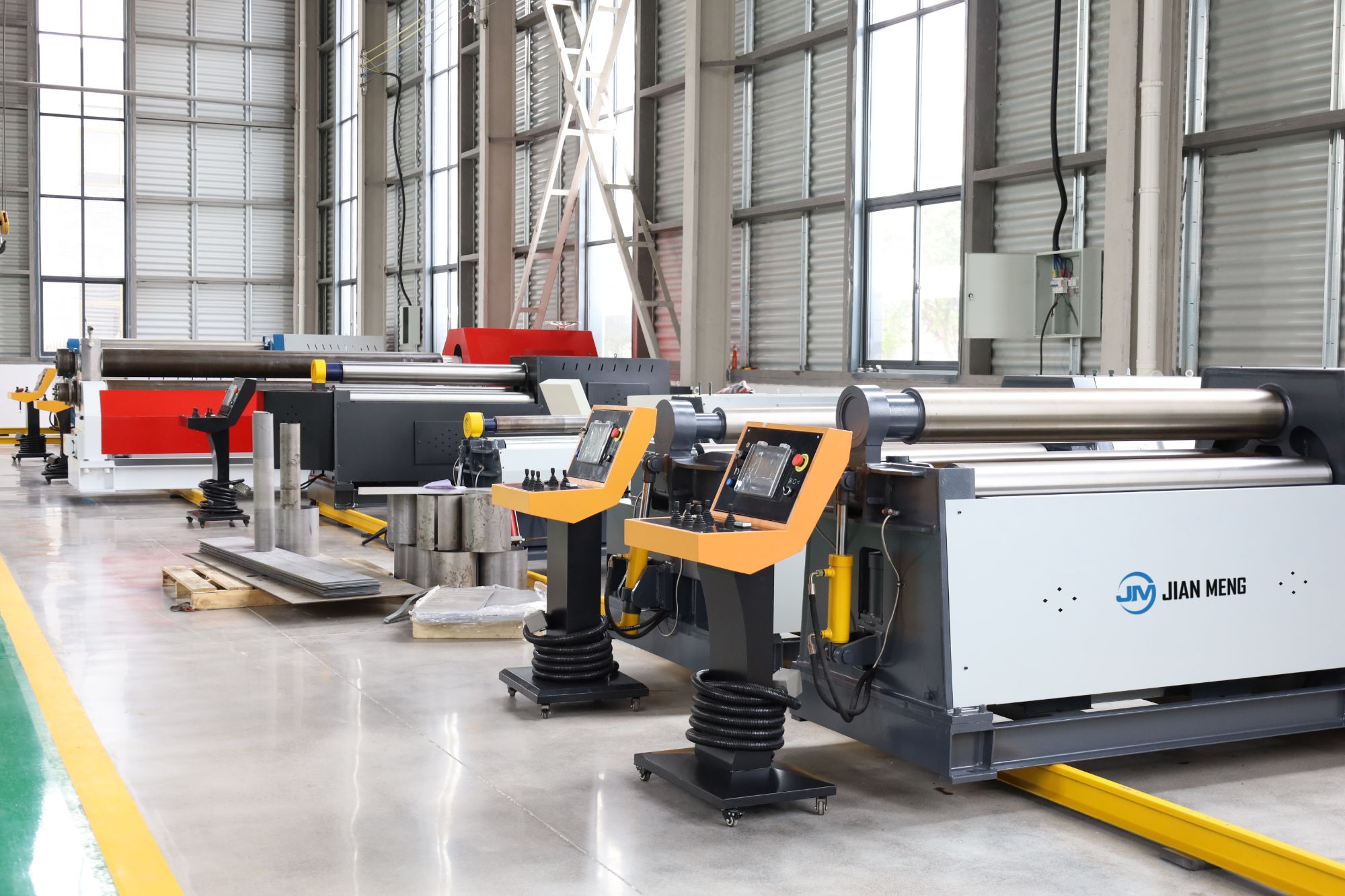
The manufacturing sector is undergoing a seismic shift, driven by a wave of innovative materials and cutting-edge technologies that are redefining efficiency and productivity. Advanced composites like carbon fiber and graphene are replacing traditional metals, offering superior strength-to-weight ratios, which not only reduce material usage but also enhance product performance and durability, leading to significant cost savings over time. Meanwhile, smart materials such as shape-memory alloys and self-healing polymers are enabling products to adapt to changing conditions, minimizing maintenance and extending lifespans in industries from aerospace to consumer electronics.
On the technological front, additive manufacturing, or 3D printing, has moved beyond prototyping to become a mainstream production method, allowing for complex geometries that were previously impossible with conventional techniques. This innovation drastically cuts down on waste, speeds up production cycles, and enables on-demand manufacturing, reducing inventory costs and supply chain disruptions. Coupled with artificial intelligence and machine learning, these technologies optimize processes in real-time, predicting equipment failures before they occur and fine-tuning parameters to maximize output with minimal resource input, creating a more resilient and agile operational environment.
Beyond these, the integration of the Internet of Things (IoT) and robotics is fostering smart factories where interconnected devices communicate seamlessly, automating mundane tasks and enhancing precision. Robotics, empowered by sensors and AI, can perform delicate operations with human-like dexterity, boosting throughput while maintaining consistent quality. Together, these advancements are not just incremental improvements but transformative forces, pushing manufacturing toward unprecedented levels of efficiency, sustainability, and customization, setting new benchmarks for global competitiveness.
Enhancing Precision and Safety in Rolling Operations
In the world of industrial manufacturing, rolling operations stand out as a critical process for shaping materials like metal and plastics. To elevate precision in these procedures, companies are increasingly adopting advanced technologies such as computer numerical control (CNC) systems and laser-guided measurement tools. These innovations allow for tighter tolerances and more consistent output, reducing waste and improving product quality. By integrating real-time monitoring, operators can make on-the-fly adjustments, ensuring each roll meets exact specifications without guesswork.
Safety improvements in rolling operations go hand-in-hand with precision enhancements, as a secure environment directly impacts efficiency and worker well-being. Modern facilities are implementing automated safety protocols, including emergency stop mechanisms and protective barriers, to minimize human exposure to high-risk areas. Training programs that emphasize hazard recognition and proper equipment use are becoming standard, fostering a culture of safety where employees feel empowered to act proactively. This dual focus not only reduces accident rates but also boosts morale and productivity across the production floor.
Looking ahead, the integration of artificial intelligence and machine learning is set to revolutionize rolling operations further. These technologies can predict equipment failures before they occur, schedule maintenance strategically, and optimize process parameters for maximum safety and accuracy. By analyzing vast datasets from past operations, AI-driven systems offer tailored solutions that adapt to changing material properties and environmental conditions, setting a new benchmark for reliability in the industry. This forward-thinking approach ensures that precision and safety remain at the forefront, driving continuous improvement in manufacturing processes.
Sustainable Practices and Eco-Friendly Solutions in Production
Embracing sustainable practices in production goes beyond just ticking boxes for environmental regulations—it's about reimagining how we create goods from the ground up. Companies are increasingly turning to circular economy models, where waste is minimized by designing products for reuse, repair, and recycling. For instance, some manufacturers are using biodegradable packaging or adopting closed-loop systems that repurpose industrial by-products into new materials. This shift not only cuts down on landfill contributions but also fosters innovation in resource management, making sustainability a core driver of operational efficiency.
Another key aspect is the integration of green technologies into production lines. Energy-efficient machinery and renewable energy sources, like solar panels installed on factory roofs, are becoming commonplace in forward-thinking industries. These solutions reduce carbon footprints significantly while often lowering operational costs over time. Water conservation is also a priority, with many facilities implementing advanced filtration systems and rainwater harvesting to minimize water usage. By prioritizing these eco-friendly measures, businesses can achieve a delicate balance between productivity and environmental stewardship, appealing to consumers who value ethical production.
What truly sets some companies apart is their commitment to transparency and localized sourcing. By collaborating with local suppliers for raw materials, businesses can reduce transportation emissions and support community economies. Transparent supply chains allow consumers to trace the journey of a product, fostering trust and accountability. This holistic approach ensures that sustainability isn't just an afterthought but woven into every stage of production, from material selection to end-of-life disposal, creating a positive ripple effect across the industry.
Customization Trends: Adapting Machines to Diverse Industry Needs
In today's fast-paced industrial landscape, the drive for customization is reshaping how machines are designed and deployed. Companies are increasingly moving away from one-size-fits-all solutions, opting instead for tailored equipment that directly addresses their unique operational challenges. This trend is fueled by advancements in modular engineering and smart technology, allowing manufacturers to tweak functionalities on the fly, whether it's adjusting conveyor speeds in logistics or fine-tuning robotic arms for delicate assembly tasks. By embracing these personalized approaches, organizations not only boost efficiency but also future-proof their operations against evolving market demands.
Beyond mere functional tweaks, customization now extends to integrating machines with sector-specific software and data analytics platforms. For instance, in agriculture, tractors are being outfitted with sensors that collect soil data, enabling farmers to optimize planting patterns and reduce waste. Similarly, in healthcare, diagnostic devices are being adapted to handle diverse patient demographics, ensuring accuracy across different age groups or conditions. These adaptations highlight a shift toward collaborative innovation, where machine builders partner closely with end-users to co-create solutions that are both practical and scalable, turning generic hardware into intelligent assets tuned to niche industry rhythms.
The economic and environmental implications of these trends are profound, pushing customization beyond a mere convenience to a strategic necessity. As industries face stricter regulations and sustainability pressures, machines are being retrofitted with energy-efficient components or designed for easier disassembly and recycling. This not only meets compliance standards but also attracts eco-conscious investors and customers. Ultimately, adapting machines to diverse needs isn't just about keeping up; it's about leading change, transforming static equipment into dynamic partners that evolve alongside business goals and global challenges.
Future Outlook: Emerging Trends and Automation in Rolling Technology
The future of rolling technology is poised for a transformative shift, driven by innovations such as artificial intelligence and the Internet of Things (IoT). These tools enable real-time monitoring and predictive analytics, allowing manufacturers to anticipate equipment failures and optimize production schedules. For instance, smart sensors embedded in rolling mills can collect vast amounts of data on temperature, pressure, and material properties, which AI algorithms analyze to fine-tune processes for greater efficiency and reduced waste.
Automation is becoming increasingly sophisticated, with robotic arms and autonomous systems taking over repetitive tasks like material handling and quality inspection. This not only boosts productivity but also enhances workplace safety by minimizing human exposure to hazardous environments. Companies are investing in flexible automation solutions that can adapt to various product specifications, enabling faster response to market demands and supporting the trend towards mass customization in industries such as automotive and aerospace.
Sustainability is another key trend shaping the evolution of rolling technology, with automation playing a crucial role in achieving greener practices. Automated systems help reduce energy consumption by optimizing operational parameters and minimizing scrap rates. Moreover, the integration of digital twins—virtual replicas of physical rolling mills—allows for eco-friendly testing and simulation, cutting down on resource use during trial runs. As these trends converge, the industry is moving towards smarter, more resilient, and environmentally conscious manufacturing ecosystems.
FAQ
Ensuring operator safety involves implementing comprehensive lockout-tagout systems, installing emergency stop buttons, and using protective guards to prevent access to moving parts during operation.
Advancements like CNC controls, laser alignment systems, and real-time monitoring have significantly reduced setup times and improved precision, leading to tighter tolerances and less material waste.
Modern machines can roll high-strength steel, aluminum, and alloys up to certain thicknesses, but limitations include material brittleness and maximum bend radii, which vary by design and power.
Routine maintenance prevents wear on rollers and bearings, reduces downtime, and ensures consistent performance by addressing lubrication needs and alignment issues before they cause failures.
Integrated software enables seamless design-to-production workflows, simulates bending processes to predict outcomes, and helps manage inventory, enhancing overall workflow efficiency and reducing errors.
Customizations include adjustable roller diameters, specialized tooling for unique bends, and enhanced durability features to withstand heavy, continuous use in demanding environments.
Conclusion
Modern plate rolling machine manufacturing has evolved significantly by integrating key design principles that prioritize efficiency and durability. By exploring innovative materials and advanced technologies, manufacturers are transforming production processes to enhance operational speed and reduce downtime. This evolution not only improves manufacturing efficiency but also ensures that machines can handle diverse industrial demands with greater precision. Customization trends allow these machines to be adapted to specific industry needs, providing flexible solutions that cater to varying operational scales and material types. As a result, plate rolling machines are becoming more versatile and reliable, meeting the growing expectations of modern manufacturing environments.
In addition to performance enhancements, the focus on safety and sustainability has become paramount in rolling operations. Enhanced precision mechanisms and safety features minimize risks and ensure operator well-being during complex tasks. Sustainable practices and eco-friendly solutions are being incorporated into production processes, reducing environmental impact through energy-efficient designs and waste reduction strategies. Looking ahead, the future outlook for rolling technology is shaped by emerging trends such as automation and smart systems, which promise to further streamline operations and boost productivity. These innovations collectively drive the industry toward a more efficient, safe, and sustainable future, positioning plate rolling machines at the forefront of advanced manufacturing.
Contact Us
Contact Person: Jeanie
Email: [email protected]
Tel/WhatsApp: +86 19805122954
Website: https://www.jianmeng.com