
High-Speed Full Servo Diaper Making Machines: Revolutionizing Production Efficiency
2026-04-01
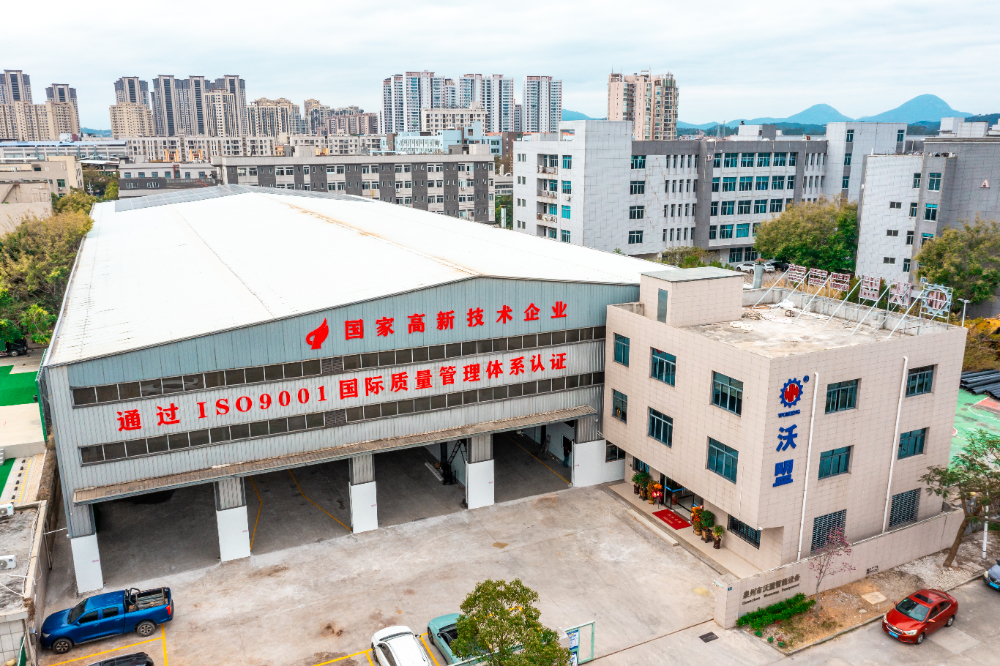
In the fast-paced world of diaper manufacturing, efficiency isn't just a goal—it's a necessity. Enter high-speed full servo diaper making machines, the technological marvels that are transforming production lines and setting new benchmarks in the industry. At Womeng, we're at the forefront of this revolution, crafting cutting-edge machinery that seamlessly blends speed, precision, and reliability. This blog dives into how these innovative systems are redefining productivity and what it means for manufacturers looking to stay ahead of the curve. Curious to see how a single machine can change the game? Let's explore the future of diaper production together.
The Role of High-Speed Full Servo Diaper Machines in Modern Manufacturing
High-speed full servo diaper machines have revolutionized the hygiene product industry by enabling manufacturers to produce diapers with unparalleled precision and efficiency. Unlike traditional machines that rely on mechanical linkages, these advanced systems use individual servo motors to control each operational component, such as cutting, folding, and sealing. This allows for real-time adjustments on the fly, reducing material waste and minimizing downtime. As a result, factories can achieve higher output rates—often exceeding 1,000 diapers per minute—while maintaining consistent quality, which is critical in meeting the growing global demand for disposable hygiene products.
Beyond just speed, these machines offer significant flexibility in production. Manufacturers can quickly switch between different diaper sizes, shapes, or designs without lengthy retooling processes, catering to diverse consumer preferences and market trends. This adaptability is enhanced by integrated sensors and software that monitor performance and detect anomalies, pushing the boundaries of smart manufacturing. In today's competitive landscape, such capabilities not only boost profitability but also support sustainability efforts by optimizing resource use and reducing environmental impact through more efficient production cycles.
The integration of high-speed full servo technology also enhances workplace safety and operational reliability. With fewer mechanical parts prone to wear and tear, maintenance requirements are lower, and the risk of breakdowns decreases. This leads to a more stable manufacturing environment, where skilled technicians can focus on innovation rather than frequent repairs. Ultimately, these machines are not just tools for production; they are pivotal in driving the hygiene industry toward a future of agile, responsive, and high-quality manufacturing, setting new standards that benefit both businesses and end-users alike.
How Advanced Servo Technology Enhances Diaper Production Speed and Quality
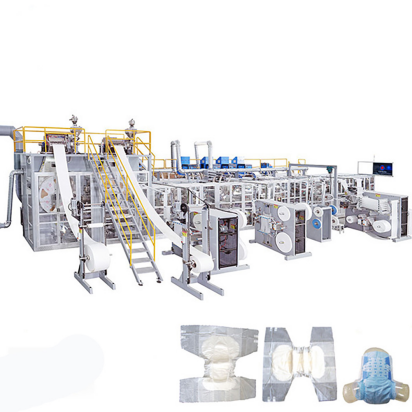
In modern diaper manufacturing, advanced servo technology is revolutionizing processes by offering precise control over motion and speed. Unlike traditional mechanical systems that rely on gears and belts, servo motors can adjust instantly to changes in production demands, reducing downtime and minimizing material waste. This flexibility allows manufacturers to switch between different diaper sizes or designs without lengthy recalibrations, boosting overall throughput. By integrating servos into critical stages like cutting, folding, and sealing, factories achieve smoother operations that translate directly into faster production cycles and fewer defects, ensuring a steady flow of high-quality products.
The impact on quality is equally significant, as servos enable micron-level accuracy in tasks such as adhesive application and elastic placement. This precision ensures that each diaper fits securely and comfortably, meeting strict safety and performance standards. For instance, in absorbent core assembly, servo-driven systems can precisely meter and position materials, preventing inconsistencies that might lead to leaks or discomfort. This level of detail not only enhances the final product's reliability but also reduces consumer complaints and returns, fostering brand trust and loyalty in a competitive market.
Beyond speed and accuracy, advanced servo technology contributes to sustainability by optimizing energy usage and reducing scrap rates. Servo motors are more energy-efficient than their pneumatic or hydraulic counterparts, lowering operational costs and environmental impact. In diaper production, this efficiency means less power consumption during peak loads and quieter, cleaner facilities. As manufacturers adopt these technologies, they often see improvements in machine lifespan and maintenance intervals, further driving down costs while upholding stringent quality benchmarks for every diaper produced.
Key Features of Next-Generation Diaper Making Equipment for Efficiency Gains
Modern diaper manufacturing is undergoing a significant transformation with advanced equipment designed to boost efficiency. One standout feature is the integration of high-speed servo motors and precision control systems. These allow machines to operate at faster rates—often exceeding 500 diapers per minute—while maintaining tight tolerances and reducing material waste. This leap in speed doesn't sacrifice quality; instead, it optimizes the production flow, cutting down on downtime and energy consumption. Manufacturers are seeing tangible benefits, like lower operational costs and the ability to scale up output without massive capital investments.
Another key element is the adoption of modular and flexible designs. Unlike older models, next-generation machines can quickly switch between different diaper sizes or styles with minimal manual intervention. This flexibility is powered by intuitive touchscreen interfaces and programmable logic controllers, enabling operators to adjust settings on the fly. It means factories can respond swiftly to market trends or custom orders, reducing changeover times from hours to minutes and enhancing overall agility in a competitive landscape.
Innovative sensing and monitoring technologies also play a pivotal role in driving efficiency gains. Embedded sensors track parameters like temperature, humidity, and material tension in real time, providing instant feedback to prevent defects. Coupled with data analytics platforms, this equipment offers predictive maintenance insights, flagging potential issues before they cause breakdowns. The result is a more reliable production line with fewer stoppages, ensuring consistent output while keeping maintenance costs in check and extending equipment lifespan.
The Economic Impact of Automated Diaper Manufacturing Systems
Automated diaper manufacturing systems have revolutionized the hygienic product industry by dramatically cutting production costs and boosting efficiency, reshaping how companies operate on a global scale. In many regions, these systems have enabled manufacturers to reduce labor expenses by up to 40%, as they automate tasks such as material handling, assembly, and packaging that previously required large workforces. This shift not only lowers direct overhead but also minimizes errors and waste, leading to more consistent product quality and faster turnaround times. As a result, businesses can scale up production to meet growing demand without proportionally increasing costs, making diapers more accessible in markets where affordability is a key concern. Moreover, this automation has sparked new job opportunities in high-tech maintenance and system management, albeit with a different skill set than traditional factory roles, highlighting a complex impact on employment trends.
Beyond the factory floor, automated systems influence broader economic dynamics by enhancing supply chain resilience and competitive advantage. Companies that adopt this technology often see a significant reduction in lead times, allowing them to respond quickly to fluctuations in demand, which is crucial in an industry where consumer preferences and demographics shift rapidly. This agility translates into higher market share and increased profitability, as firms can better manage inventory and reduce stockouts. In global trade, automated diaper manufacturing can reduce dependency on low-cost labor regions, encouraging local production and supporting regional economies through investment in advanced infrastructure. However, this also raises questions about the economic displacement in areas reliant on manual manufacturing jobs, necessitating policies that address workforce retraining and economic diversification to mitigate negative social impacts.
Looking forward, the economic implications of these systems extend to innovation and sustainability, which are becoming critical factors in long-term industrial growth. Automated processes often incorporate smart technologies like IoT sensors and data analytics, which optimize resource use and energy consumption, leading to lower operational costs and a smaller environmental footprint. This can translate into savings that companies might reinvest in research and development or pass on to consumers, fostering a cycle of economic improvement and product innovation. Additionally, as consumer awareness grows around eco-friendly products, automated systems enable the production of biodegradable or reusable diapers at competitive prices, opening new market segments and driving economic growth through sustainable practices. In this context, automated diaper manufacturing isn't just a cost-cutter—it's a catalyst for reshaping economic priorities toward efficiency and environmental stewardship.
Innovations in Material Handling and Precision Control in Diaper Machines
Recent advancements in diaper manufacturing have transformed material handling processes, significantly boosting efficiency and reducing waste. For instance, modern machines now incorporate automated systems that precisely manage raw materials like pulp and non-woven fabrics. These innovations include smart conveyors with sensors that monitor material flow in real-time, ensuring consistent supply and minimizing disruptions. By integrating these technologies, manufacturers can respond quickly to changes in production demand, cutting down on manual interventions and enhancing overall throughput. This shift not only streamlines operations but also supports sustainability goals by optimizing resource use.
Precision control has become a cornerstone in diaper machines, driven by sophisticated software and hardware upgrades. Cutting-edge control systems now offer fine-tuned adjustments for every stage of production, from folding and sealing to adhesive application. For example, real-time feedback mechanisms allow immediate calibration based on material variations, ensuring each diaper meets exact specifications. This level of accuracy reduces defects and improves product consistency, which is crucial for comfort and safety in end-use. The integration of AI algorithms further refines these processes, learning from production data to predict and prevent potential issues before they arise.
Beyond individual components, the synergy between material handling and precision control creates a holistic approach to diaper manufacturing. Innovations like digital twins simulate entire production lines, enabling virtual testing and optimization without halting real operations. This not only accelerates innovation cycles but also allows for rapid adaptation to new materials or design changes. As a result, manufacturers can deliver high-quality diapers at scale while maintaining flexibility in a competitive market. These advancements underscore a trend toward smarter, more resilient production environments that prioritize both performance and sustainability.
Future Trends and Developments in Servo-Driven Diaper Production Technology
Servo-driven diaper production is evolving toward smarter, interconnected systems. One key trend is the increased adoption of machine learning algorithms that analyze real-time data to predict and prevent mechanical failures before they occur, reducing downtime significantly. This shift allows manufacturers to move from reactive maintenance to a proactive model, enhancing overall efficiency and product consistency without relying on generic automation scripts.
Another exciting development is the integration of IoT sensors throughout production lines. These sensors monitor variables like tension, speed, and material quality, feeding data into centralized platforms for detailed analytics. As a result, factories can fine-tune operations on-the-fly, optimizing resource use and minimizing waste. This approach not only improves sustainability but also sets new benchmarks for precision in diaper manufacturing, distinguishing it from older, less adaptive technologies.
Additionally, there's a growing focus on modular designs and flexible configurations in servo-driven systems. Manufacturers are investing in customizable setups that can quickly switch between different diaper types or sizes. This agility supports fast-paced market demands for varied products, enabling companies to respond swiftly to consumer trends without major overhauls. Such innovations are redefining production scalability, making it easier for both large and small players to compete effectively in a dynamic industry landscape.
FAQ
Unlike traditional machines, high-speed full servo models utilize advanced servo motors for precise control over every production step, enabling faster speeds—up to 1,200 diapers per minute—while reducing energy consumption and minimizing material waste. This innovation allows manufacturers to scale operations without sacrificing quality.
By integrating full servo technology, these machines streamline processes like cutting, sealing, and folding through synchronized automation. This eliminates manual adjustments and downtime, boosting overall equipment effectiveness (OEE) and allowing continuous, high-volume output with consistent product precision.
Key benefits include enhanced flexibility for quick changeovers between diaper sizes and styles, reduced maintenance needs due to fewer mechanical parts, and improved hygiene through cleaner, more controlled operations. This leads to higher ROI and adaptability in dynamic market demands.
Yes, advanced models are designed to work with various non-woven fabrics, superabsorbent polymers, and elastic materials. Their programmable settings allow easy switching between standard, premium, or eco-friendly diaper variants, supporting customization without compromising speed or efficiency.
They ensure superior quality by maintaining tight tolerances in dimensions and sealing integrity, thanks to real-time feedback systems. This minimizes defects like leaks or misalignments, resulting in reliable, high-performance diapers that meet stringent safety and comfort standards.
Integration typically involves modular setups that connect with upstream and downstream equipment, such as material feeders and packaging units. Many machines offer compatibility with Industry 4.0 protocols for data monitoring, enabling seamless upgrades that enhance overall plant automation and analytics.
These machines promote sustainability by optimizing material usage to cut waste and lowering energy consumption through efficient motor designs. Some models incorporate features for recycling scraps or using biodegradable materials, aligning with green manufacturing trends and reducing the environmental footprint.
While initial investment is higher for servo machines, long-term savings from reduced labor, lower energy bills, and minimal waste offset costs. They offer faster payback periods through increased production rates and fewer breakdowns, making them a strategic choice for competitive markets.
Conclusion
High-speed full servo diaper making machines have fundamentally transformed modern manufacturing by integrating advanced servo technology to enhance both production speed and quality. These machines play a crucial role in contemporary production lines, where precision and efficiency are paramount. By leveraging next-generation equipment with key features like real-time monitoring and adaptive control, manufacturers achieve significant efficiency gains, minimizing waste and downtime. This technological advancement not only boosts output but also ensures consistent product quality, meeting the high standards demanded in today's competitive market.
The economic impact of automated diaper manufacturing systems is profound, driving cost savings through reduced labor and material usage while enabling scalable production. Innovations in material handling and precision control further optimize operations, allowing for seamless integration of complex components with minimal errors. Looking ahead, future trends in servo-driven technology promise continued developments, such as AI-driven diagnostics and enhanced sustainability features, which will further revolutionize production efficiency. Overall, these machines represent a pivotal shift in the industry, setting new benchmarks for performance and innovation.
Contact Us
Contact Person: Jessie Lai
Email: [email protected]
Tel/WhatsApp: 86-188594442931
Website: https://www.wm-machinery.com