

Heavyweight Sound-Absorbing Blanket Distributor for Reducing Industrial Noise Effectively
2026-11-02
Industrial facilities rarely get quieter on their own. Between humming compressors, clattering conveyors, and the constant rumble of production lines, noise levels climb until they become a safety and productivity issue. Many plant managers try foam panels or thin barriers first—only to find they barely dent the decibel readings. That’s where heavyweight sound-absorbing blankets come in, and choosing the right distributor matters more than most realize. Top Packaging has built its reputation on supplying dense, durable acoustic blankets that actually cut industrial noise at the source. In this post, we’ll break down what makes heavyweight blankets different, how to evaluate distributors, and why the right supplier can turn a deafening floor into a workable space.
Heavy Machinery Still Too Loud? Here’s What Actually Works
Most noise problems don't start with the motor or hydraulics—they start with loose covers, dried-out isolators, and bearings that have been ignored for too long. Before adding any new gear, walk the machine while it runs and feel for rattling panels or hardened rubber mounts. Replacing those worn parts and re-torquing bolts often brings a drop of 4 to 8 decibels, which is more than any foam earplug will give you.
If the core operation still produces too much sound, enclosure panels with mass-loaded vinyl and a simple steel frame can knock down high-frequency noise dramatically. Just don't seal the machine completely; leave a baffled air path so heat can escape, otherwise you'll create a new problem with overheating sensors and shorter component life.
At the plant or shop level, movable acoustic curtains and scheduling loud batches for off-peak hours make a bigger difference than most people expect. A curtain barrier between a stamping press and assembly benches can cut exposure enough to keep workers from hitting their daily noise dose halfway through a shift.
Why Blanket Quality Can Vary More Than You’d Expect From a Distributor
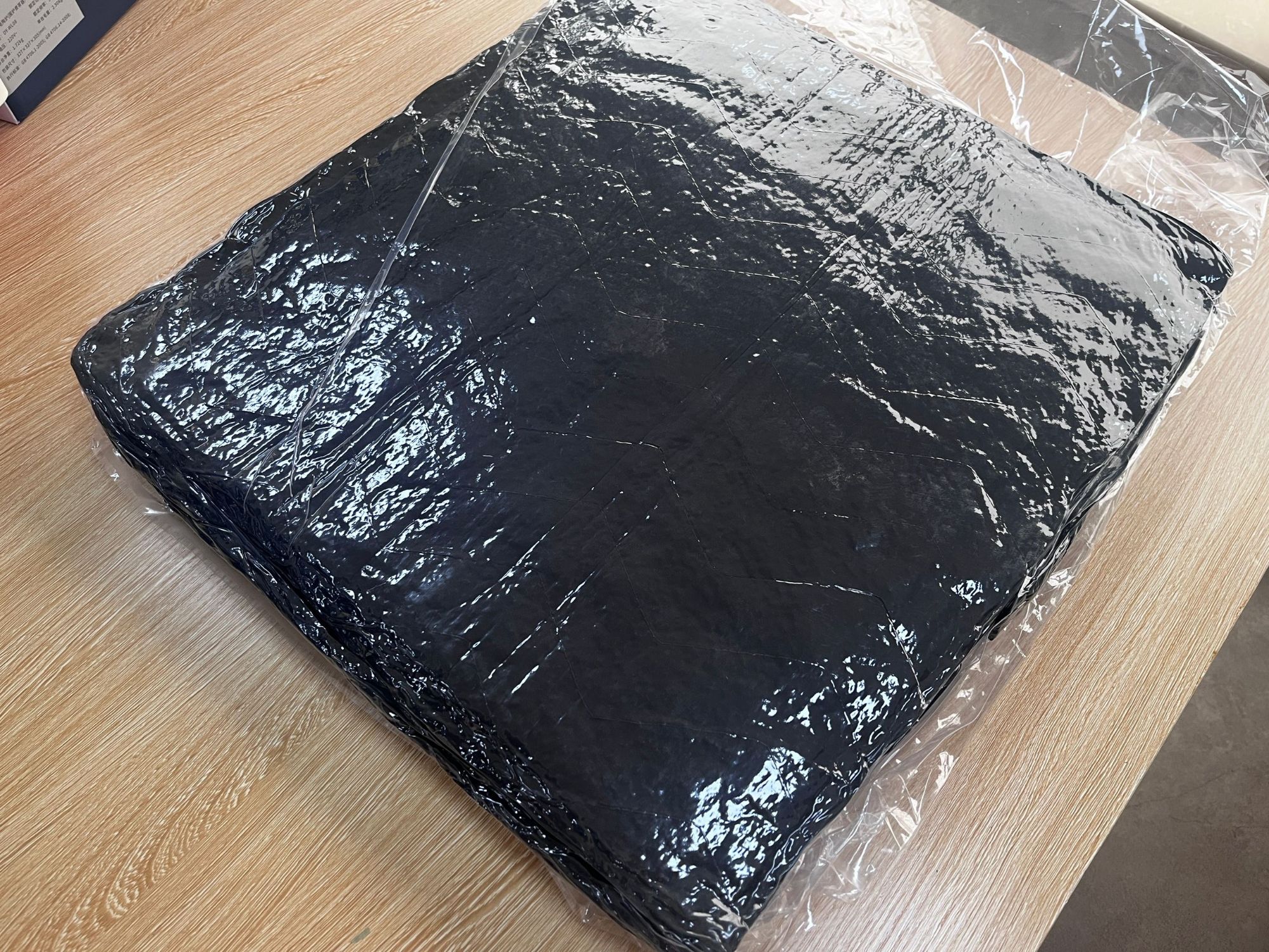
When you order blankets from a distributor, you might assume every shipment will feel identical. In reality, two batches can differ noticeably—thread count, fiber blend, even the softness after the first wash. Distributors often source from multiple mills or switch suppliers without telling you, so the “same” product code doesn’t guarantee the same hand feel or durability.
Dye lots and finishing processes add another layer of variability. A blanket woven in summer may absorb color differently than one produced in winter, and if the mill adjusts the brushing or shearing step to save time, the surface texture changes. Some distributors also mix old and new stock in one box, so you could find one blanket fluffy and another almost flat.
The only reliable way to catch these shifts is to request a pre-production sample and compare it against a retained reference from your last order. Small differences in fiber staple length or twist level won’t show up in a photo, but your hands will notice immediately. If a distributor can’t explain who knits, finishes, and packages each lot, expect surprises.
Cutting Noise Complaints Without Halting Your Production Floor
Instead of shutting down entire lines, map out where the loudest complaints come from and target those spots first. Move noisy machinery away from workstations or install modular acoustic barriers that can be repositioned as layouts change. Even simple rubber mats under vibrating equipment cut a surprising amount of transmitted sound.
A lot of industrial noise comes from wear and tear that gets ignored until someone complains. Worn bearings, loose guards, unbalanced fans, and dry chains all scream louder than they should. Build a quick inspection checklist into existing changeover or cleanup times—tighten, lubricate, replace small parts—and you’ll lower decibel levels without losing production hours.
Rotate workers through high-noise areas in shorter intervals rather than forcing one crew to endure a full shift. Pair that with sound-dampening ceiling tiles or wall panels near the loudest zones. Clearly mark hearing protection zones and keep earplugs or muffs stocked right at the entry points, so safety becomes routine rather than a slowdown.
What to Look for in a Heavyweight Blanket Beyond the Spec Sheet
Numbers like weight and size only tell part of the story. Run your hand across the fabric before buying—some heavyweight blankets feel dense but still breathe, while others trap heat despite similar GSM ratings. Check the stitching pattern, too. Smaller quilted pockets keep fill from shifting, but they can make the blanket stiffer and harder to drape around your shoulders.
Pay attention to the edges and corners. A well-finished blanket with reinforced binding will survive being kicked off the bed or dragged to the couch without fraying. Also listen for noise: some heavy blankets crinkle like a tarp when you move, which can ruin the calming effect. If you plan to wash it at home, make sure the care label matches your routine before committing.
Where Weighted Acoustic Blankets Quiet Down Industrial Spaces Most
Compressor rooms, pump galleries, and mechanical penthouses are where weighted acoustic blankets do their most immediate work. Instead of building rigid enclosures around a valve nest or a tight run of hard pipe, maintenance crews can drape the blankets directly over flanged joints, expansion joints, and short duct sections. The limp mass layer suppresses vibration before it becomes airborne noise, which is why the effect is most noticeable in small spaces with lots of reflective surfaces.
Generator sets and air-handling units respond well when the blankets are hung as partial walls or overhead baffles rather than full wraps. On rooftop plant decks and in mechanical mezzanines, strategically placed panels cut reflected sound without making it harder to reach filters, belts, or inspection ports. They perform best when set close to the source, where their weight can damp the low-frequency thump that travels through steel supports and floor slabs.
In long production bays with stamping presses, shears, or high-speed packaging lines, the blankets function as movable partitions. Sectioning off a noisy cell from a quieter assembly zone brings a practical drop in loudness without altering the building structure. That kind of targeted zoning lets teams shift sound control as layouts change, which is usually more cost-effective than treating an entire floor all at once.
How to Vet a Distributor Before Your Next Big Noise Reduction Project
Start by asking for three recent project references that involved acoustic or noise-sensitive environments. Don't settle for a generic client list; request the name of the project engineer or site supervisor, then call them with a short list of pointed questions. Find out how the distributor handled late deliveries, product substitutions, and on-site troubleshooting. If the reference hesitates or only offers praise without details, that's a warning sign.
Next, verify that the distributor actually stocks the acoustic materials you plan to specify, or at least has a demonstrated line of supply that won't crumble under a tight timeline. Ask for inventory counts on key items like resilient channels, isolation clips, and acoustic sealant. A distributor that carries only one brand and pushes it aggressively may be optimizing for margin rather than fit, so compare their stock depth across at least two or three manufacturers.
Finally, put the distributor's technical support to the test before signing anything. Send them a partial spec or a tricky detail like a floating floor transition and ask for a written recommendation within a set window. Pay attention to whether they ask about your project's STC and IIC targets, or simply send a quote. A partner who can talk through flanking paths and installation sequencing will save you more than a discount on paper.
FAQ
Unlike foam panels that crumble under vibration or heat, these blankets use a dense, limp mass barrier with a durable facing that reflects and absorbs sound energy. The weight per square yard matters more than thickness—many industrial settings need at least 1 lb/sq ft to meaningfully cut low-frequency rumble from compressors or stamping presses. Ours go up to 2 lb/sq ft with reinforced grommets, so they stay put and don't tear when hung around moving equipment.
Most standard industrial blankets have a vinyl or silicone-coated facing that sheds water and wipes clean from oil overspray. But if you're installing near a cooling tower or washdown area, ask for the marine-grade version—it has sealed edges and stainless steel grommets. We've seen the uncoated kind turn into a soggy mess within a season, so coating choice is the main thing.
Depends on how much surface you cover and the noise source. A full enclosure with overlapping seams typically knocks 10–18 dB off the overall level—enough to bring a 95 dB compressor area under the 85 dB OSHA action limit. Low-frequency drone is harder to tame; you'll need full coverage and perhaps an air gap. Partial coverage mostly cuts high-frequency hiss.
Yes, we stock blankets with a Class A fire rating per ASTM E84, and some versions meet NFPA 701 for hanging in exit corridors. The fiberglass core is inherently non-combustible, but the facing and binding can be the weak point. If your safety officer needs documentation, request the FR spec sheet before ordering—don't assume all industrial blankets meet code.
Most people use the grommets with steel cable or zip ties around existing framework. For temporary setups, heavy-duty magnets with hooks work well on steel enclosures—just make sure the magnet pull force is at least 50 lbs each. Some facilities build a simple Unistrut frame and hang the blankets like curtains, which lets you slide them aside for maintenance.
Distributor pricing starts at 10 units per size, but mixed pallets are fine if you're stocking multiple common dimensions. We do send a small 12 by 12 inch swatch so you can confirm weight, facing, and grommet placement before committing—just cover shipping. For first-time distributors, we often ship one full blanket at half price for field testing.
The outer binding is double-stitched with high-tenacity thread, and grommets are set every 18 inches, which spreads the load. If you hang them where a stamping press is constantly shaking, go with the version that has a nylon mesh scrim layer inside—it keeps the limp mass from shifting and bunching. Sagging usually means someone hung them from drywall anchors instead of through-bolting into structure.
The fiberglass is fully encapsulated in a sealed film, so no fibers shed into the air—unlike raw insulation. For food plants, we offer a white, wipeable facing that meets FDA indirect contact standards. But avoid using them directly over open product zones; place them on the outside of enclosures or in mechanical rooms.
Conclusion
Industrial facilities often learn that reducing noise from heavy machinery is not about adding more ear protection or posting warning signs. A heavyweight sound-absorbing blanket, sourced from a distributor who actually understands acoustic isolation, can break up low-frequency rumble and high-frequency whine without forcing a shutdown. But quality varies sharply between suppliers: one blanket may use dense, fiberglass-free cores and reinforced grommets, while another arrives thin, uneven, and prone to tearing after a few weeks. The right distributor helps you hang barriers around stamping presses, compressors, and CNC stations so production continues while decibel levels drop enough to quiet complaints from neighboring businesses or OSHA inspectors.
Look past the spec sheet claims for NRC or STC ratings; ask how the blanket performs at 125 Hz and 250 Hz, whether it has a mass-loaded vinyl layer, and if edges are bound to resist fraying. Weighted acoustic blankets prove most useful in bays where sheet metal, turbines, or conveyor drives generate constant noise, and they also dampen reverberation in high-ceiling areas. Before committing to a large order, vet the distributor by requesting samples, checking whether they can provide custom sizing and fastening hardware, and asking for references from similar plants. A distributor who asks about your specific machinery, ceiling height, and shift schedule is more likely to deliver a solution that actually reduces industrial noise effectively rather than just selling you another tarp.
Contact Us
Contact Person: Shelly
Email: [email protected]
Tel/WhatsApp: 86-577-64286522
Website: https://www.topmovingpad.com/