

Finding a Reliable China Resin 3D Printer Supplier for High-Quality Additive Manufacturing
2026-06-26
Scouring China for a resin 3D printer supplier that doesn’t compromise on precision can feel like a gamble. High-quality additive manufacturing demands more than just a competitive price—it requires a partner you can trust for consistent results. That’s where ProtoMat enters the conversation, carving out a reputation among professionals who refuse to settle for subpar prints. But what truly separates dependable suppliers from the rest? In this article, we’ll explore the essentials behind finding a reliable source and why the right choice can transform your production line.
Navigating China's Resin 3D Printer Market Landscape
China's resin 3D printer market is vibrant and fast-moving, shaped by an intense concentration of manufacturers in Shenzhen and beyond. Unlike more fragmented regional markets, the ecosystem here is vertically integrated—many brands not only design their printers but also develop proprietary resins, slicing software, and post-processing solutions. This tight coupling can lead to smoother user experiences but also means that if you invest in a particular brand's hardware, you may find yourself locked into their consumables and workflow. It's a double-edged sword that demands a clear understanding of your long-term project needs before diving in.
Price competition has driven incredible value, with feature-packed printers now available for a fraction of what they cost just a few years ago. However, this race to the bottom has also created a widening gap between “budget” and “professional” segments. At the low end, you'll find machines that offer stunning resolution on paper but may skimp on component quality, leading to calibration drift or inconsistent results over time. The mid-to-high tier, meanwhile, increasingly focuses on reliability, uniform light engines, and smarter thermal management—factors that matter far more in a production setting than headline micron-pixel pitches.
Navigating the landscape successfully means looking past the spec sheets and engaging with user communities, test-chasing real print samples, and gauging after-sales support. Chinese manufacturers are rapidly improving their global support networks, but responsiveness can still vary dramatically. Visiting trade shows, joining dedicated forums, and even arranging factory visits (where possible) can reveal the true character of a company behind the marketing. In a field where closed-loop innovation is accelerating, the relationships you build with suppliers can be just as critical as the hardware you buy.
Spotting Quality Beyond Flashy Spec Sheets
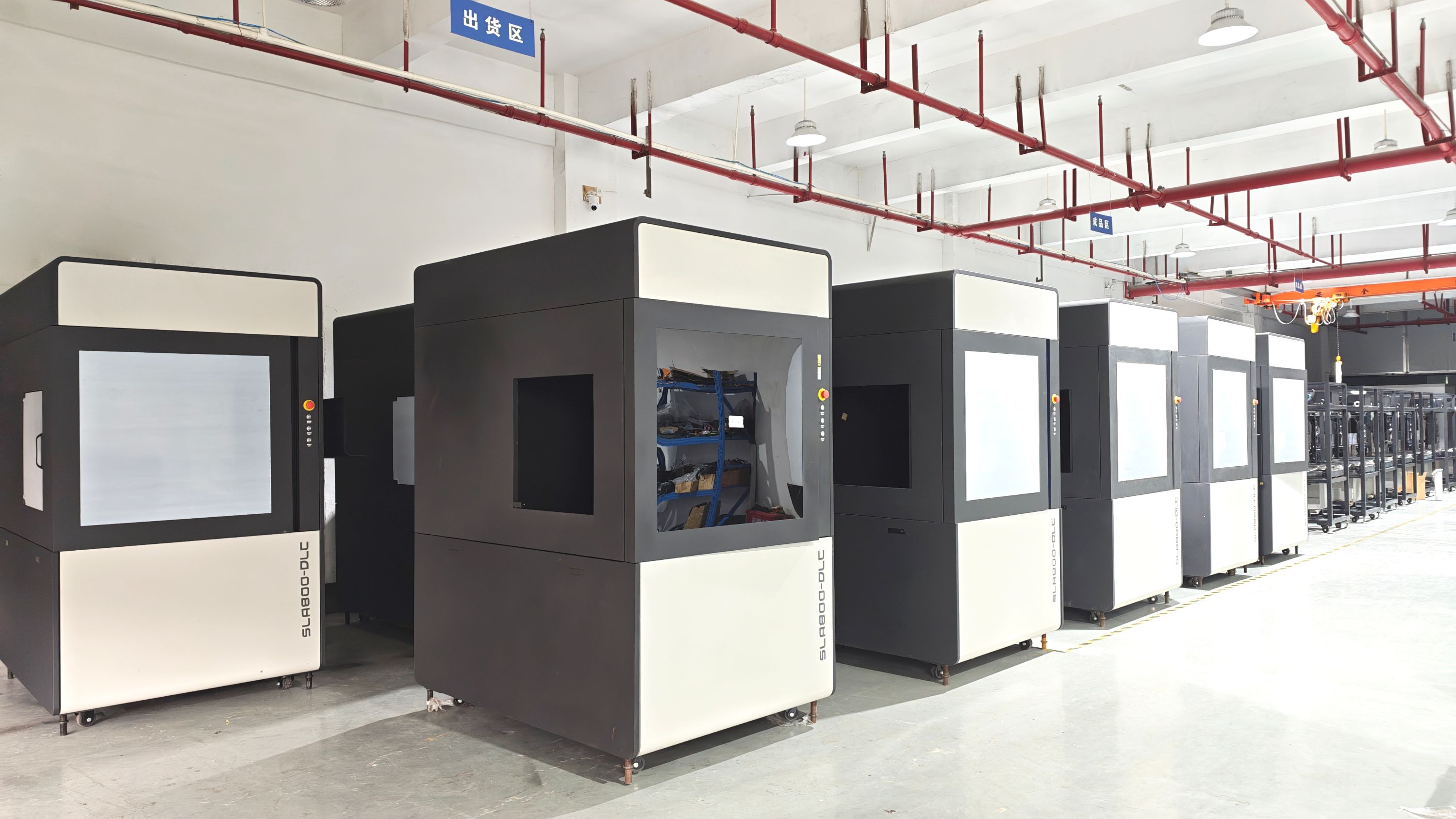
When you peel back the layers of glossy marketing, real quality often hides in the details that spec sheets conveniently omit. A device might boast a massive battery, but does it deliver consistent screen-on time under real-world use? Similarly, a camera sensor may tout high megapixels, yet the processing pipeline and lens quality define the actual image output. These nuances become evident only when you move past the surface-level numbers and start asking how a product performs in everyday scenarios—under imperfect lighting, with multiple apps open, or after months of wear and tear. The first clue is often in the materials: cold, clinical specs can’t convey the satisfying heft of a well-balanced chassis or the subtle texture that makes a gadget comfortable to hold for hours.
Another dimension is user experience cohesion—how hardware and software communicate without friction. A feature-packed laptop might have lightning-fast RAM on paper, but if the thermal design can’t sustain peak performance, it throttles into mediocrity. True excellence emerges when components are tuned to work as a symphony, not as isolated benchmarks. This extends to things like haptic feedback precision, keyboard key travel and dampening, or the seamlessness of a display’s adaptive refresh rate. These aren’t easily quantified, yet they define whether a product feels like a thoughtfully crafted tool or just a collection of impressive numbers. Paying attention to these intangible elements often reveals which companies invest in iterative refinement rather than chasing spec-sheet superiority.
Finally, longevity and support speak volumes about genuine quality. Specs rarely mention how long a device will receive meaningful software updates or how easily its battery can be replaced. A phone that maintains snappy performance two years after purchase, thanks to well-optimized firmware, outshines newer models that degrade under bloatware. Similarly, brands that design for repairability—using standardized screws, providing clear manuals, or offering affordable replacement parts—signal a respect for the user that transcends launch-day hype. When you prioritize these under-the-hood virtues, you start to spot the difference between a dazzler and a keeper.
Evaluating Supplier Trustworthiness Without a Site Visit
When you can't walk a factory floor yourself, you lean on indirect signals that reveal a supplier's reliability. Start by requesting a live video tour—not a polished recording—and ask to see specific areas on the fly. Look for organized workspaces, genuine employee engagement, and real-time quality checks. If they hesitate or stall, that's a red flag worth noting.
Financial health is another quiet indicator. Ask for business licenses, bank references, or even a simple Dun & Bradstreet report if available. A supplier struggling to pay their own bills might cut corners on your order. Pair this with references from clients outside your industry—people who have no reason to sugarcoat the truth. Their stories about late shipments or unexpected substitutions can be more telling than any polished brochure.
Finally, test the supplier's communication rhythm. Do they respond thoughtfully to technical questions, or do they default to promises that sound too good? A trustworthy partner will share setbacks openly and propose solutions without you having to pry. That transparency, even across oceans, often separates dependable operations from those merely chasing a quick sale.
Balancing Cost and Performance When Sourcing Resin Printers
Finding the sweet spot between price and output quality often feels like a tug-of-war when shopping for resin printers. Too often, buyers get lured by low upfront costs, only to discover hidden expenses in replacement parts, proprietary resins, or sluggish print speeds that cripple workflow. On the other hand, over-investing in a high-end machine without matching production needs can drain budget with no real return. The key is to define what 'good enough' means for your specific applications—whether it's dental models needing micron-level accuracy or tabletop miniatures where slight layer lines are acceptable—and then map those requirements to machines that deliver without excess overhead.
One practical approach is to treat the printer as part of a larger ecosystem rather than a standalone purchase. Consider the cost per liter of resin it consumes, the availability of third-party material compatibility, and the lifespan of consumable components like LCD screens and FEP film. A slightly more expensive printer that accepts open-source resins and has easily replaceable parts can pay for itself within months. Similarly, build volume should align with batch sizes: a smaller, faster printer might outmatch a larger, slower unit if you're producing many small parts in succession. Look beyond the spec sheet hype and calculate total cost per model based on real-world duty cycles and failure rates.
It's also worth factoring in reliability and support, which directly influence operating costs over time. A bargain printer that requires constant recalibration, suffers from failed prints, or lacks responsive technical support can quickly erode any initial savings. User communities and third-party parts ecosystems often signal how well a brand supports its products in the long run. Sometimes, paying a premium for a printer with a proven track record of consistency and easy maintenance translates to lower costs in wasted resin, time, and frustration—making it the more economical choice despite a higher sticker price.
Ensuring Consistent Print Quality in Bulk Production
Maintaining uniform print quality across large runs demands a proactive approach that goes beyond basic machine settings. It starts with rigorous prepress checks, where every file is scrutinized for resolution, color profiles, and bleed areas. Using standardized color management systems like ICC profiles ensures that what you see on screen matches the final output, regardless of the printer or substrate. Before the full run, a small batch of test prints is essential—not just to catch obvious errors, but to fine-tune dot gain, registration, and ink density under actual production conditions.
During the print run, real-time monitoring is the backbone of consistency. Automated inline inspection systems can flag deviations in color or alignment instantly, allowing operators to adjust on the fly without stopping production. Regular calibration of equipment, from spectrophotometers to print heads, prevents the gradual drift that often goes unnoticed until it's too late. Equally important is maintaining a stable environment: fluctuations in temperature or humidity can warp paper and alter ink viscosity, leading to subtle but cumulative shifts in appearance.
Finally, consistent print quality relies on clear communication and documentation. Detailed run logs that record settings, ink lots, and substrate batches create a traceable history, making it easier to replicate results or troubleshoot issues. Training operators to recognize the early signs of inconsistency—such as banding or mottling—empowers them to intervene before waste piles up. By combining smart technology with human expertise, bulk printing becomes less about luck and more about a repeatable, reliable process.
Building a Partnership for Ongoing Technical Support
True technical support isn’t just about fixing issues when they arise—it’s about building a relationship where your team knows the product ecosystem as thoroughly as we do. We embed ourselves into your workflows gradually, learning your unique configurations, common pain points, and growth plans, so every interaction adds long-term value rather than a short-term patch.
This means regular check-ins that don’t feel like sales calls, tailored documentation that reflects your actual use cases, and direct lines to engineers who already understand your history. Over time, the support dynamic shifts from reactive troubleshooting to proactive guidance, helping you avoid pitfalls and scale more confidently.
What makes the partnership stick is our commitment to shared ownership—we treat your uptime and performance metrics as our own, adapting our SLAs and escalation paths as your business evolves. No rigid scripts, no ticket-number anonymity; just a dependable extension of your internal team that grows smarter with every interaction.
FAQ
Focus on their track record with industrial clients, the consistency of their print accuracy across batches, and whether they offer customizable build volumes. Ask for sample parts printed with your typical resins to check surface finish and dimensional stability.
Request documented quality checks from raw material sourcing to post-assembly calibration. A trustworthy supplier will share video walkthroughs of their production line, ISO certifications if applicable, and data logs from their printers’ performance tests.
Many have strong expertise in engineering-grade resins like ABS-like, high-temperature, and dental or jewelry-castable materials. They often optimize their printers’ light engines and exposure settings specifically for these materials, which can mean fewer failed prints than with generalist machines.
Vague responses about lead times, reluctance to share client references, or insisting on full payment before any sample validation. Also, if they can’t clearly explain their machine’s optical system or layer height limitations, it’s a sign of inexperience.
It’s critical. Look for suppliers that offer real-time technical support via chat during your working hours, have easy access to spare parts, and provide detailed maintenance guides in English. Some even assign a dedicated engineer for the first few weeks.
Yes, if you choose a supplier that has streamlined production and uses quality core components like ball screws and industrial-grade UV LEDs. The savings often come from lower labor costs and efficient supply chains, not from cutting corners on hardware.
While not always mandatory, CE or FCC marks indicate compliance with electrical safety. For specific industries, ask about biocompatibility certifications if you’re printing medical devices, or material-specific certifications from resin manufacturers. A supplier willing to undergo third-party audits is a good sign.
Conclusion
Sourcing a dependable resin 3D printer partner in China goes far beyond scanning catalogs and comparing prices. It starts with grasping the real landscape—a space crowded with both seasoned manufacturers and fly-by-night assemblers. The key is learning to distinguish genuine engineering substance from glossy spec sheets. Consistent layer cure, Z-axis stability, and optical clarity of the lens system matter more than inflated resolution numbers. Supplier trustworthiness is harder to gauge from a distance, but detailed third-party reviews, transparent process documentation, and candid references often reveal more than a site visit ever could. Asking pointed questions about resin compatibility and open material systems quickly filters out those who prioritize hardware sales over print quality.
Cost-performance balance demands a focus on total cost of ownership, not just sticker price. A durable machine with accessible parts and responsive after-sales support sidesteps the downtime that erodes margins. In bulk production, repeatable precision becomes the benchmark—thermal drift, peel force consistency, and vat film life can make or break a contract. Real partnership emerges when a supplier treats your needs as ongoing, offering firmware tweaks for specific resins or remote troubleshooting that actually solves problems. The suppliers worth choosing view themselves as collaborators in advanced additive manufacturing, not just equipment vendors. That mindset shift, more than any certification, signals a reliable long-term alliance.
Contact Us
Contact Person: Joe
Email: [email protected]
Tel/WhatsApp: +8613799507208
Website: https://www.3dprotomat.com/