

Efficient Alkaline Wastewater Treatment System for Concrete Batching Plants in China
2026-07-28
Concrete batching plants are notorious for producing alkaline wastewater that challenges even the most robust treatment protocols. But what if a system could turn this environmental burden into a seamless, efficient process? Enter Sinou, a pioneering solution from China that redefines wastewater management. This blog delves into how Sinou's innovative approach is transforming the industry, promising cleaner water and a sustainable future.
Tackling High-pH Effluent from Concrete Production
Managing the alkaline runoff from concrete production demands a thorough grasp of its chemical origins. When water comes into contact with freshly placed or curing concrete, it leaches out calcium hydroxide and other soluble alkalis, pushing pH levels well above the neutral range. This high-pH effluent can harm aquatic life, corrode infrastructure, and violate discharge permits. The challenge is compounded by the sheer volume of water used for washing equipment, trucks, and site surfaces, turning a routine activity into a significant environmental liability if not properly handled.
A practical approach starts with on-site containment and treatment systems that intercept and neutralize the effluent before release. Settling ponds or tanks allow solids to drop out, but pH correction requires chemical treatment—commonly using mineral acids like sulfuric or carbonic acid, or sparging with carbon dioxide to precipitate carbonates. More advanced setups employ automated dosing and monitoring to keep pH within permitted limits, while the collected sludge can often be repurposed as a cementitious material, closing the loop on waste. These measures not only protect nearby water bodies but also help facilities stay compliant without disrupting production.
Beyond engineered solutions, operational changes can significantly reduce the volume and strength of high-pH runoff. Dry cleanup methods before washing, reusing process water, and scheduling pours to minimize wash-downs all cut down on contact water generation. Training crews to handle concrete residue carefully and segregating wastewater streams from clean stormwater further lowers the treatment burden. When integrated into daily workflow, these habits turn effluent management from a headache into a routine part of sustainable concrete production, proving that responsible practice and productivity can go hand in hand.
A Compact, Multistage Treatment Approach
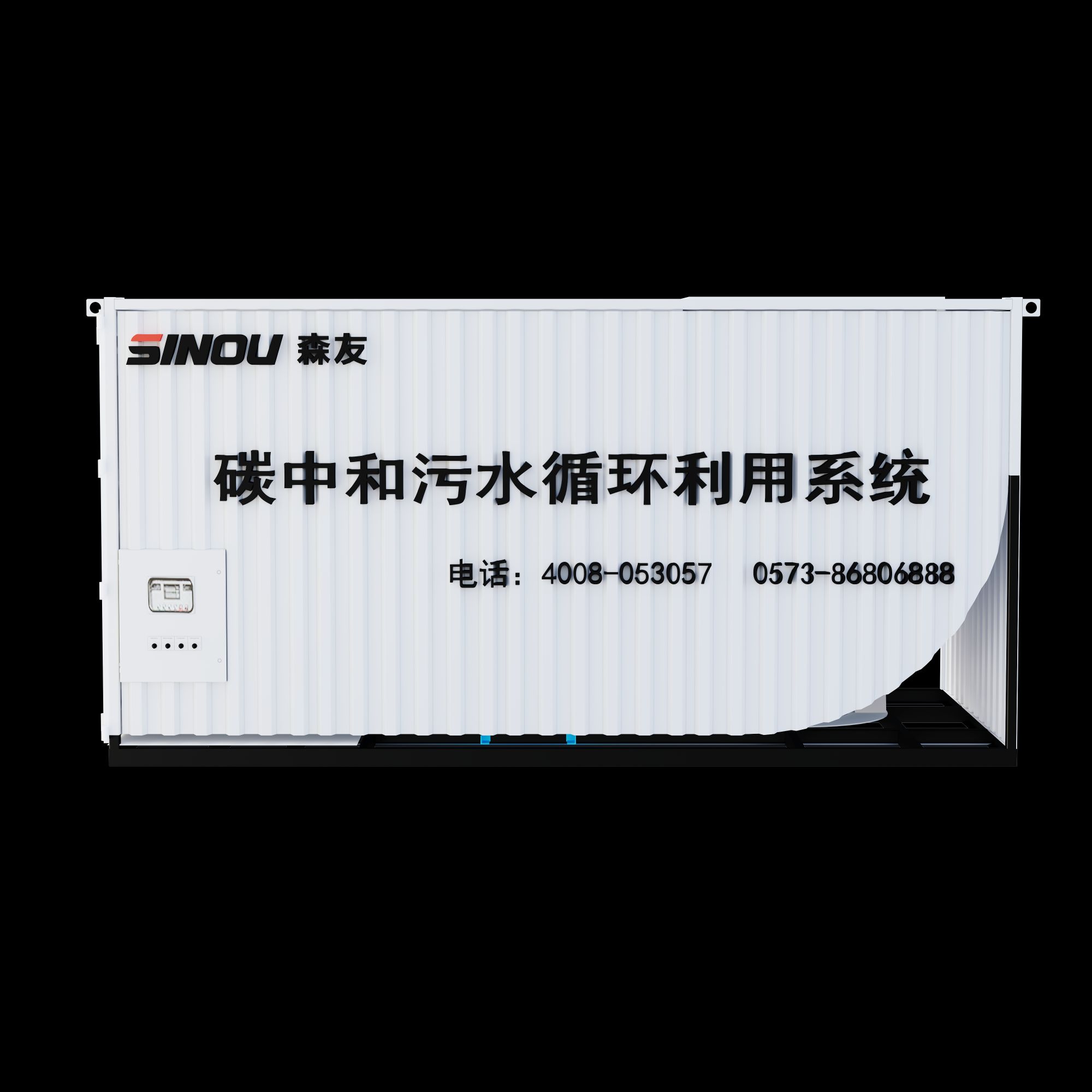
This streamlined protocol compresses multiple therapeutic phases into a cohesive sequence, reducing unnecessary delays without compromising efficacy. By carefully overlapping assessment, active intervention, and relapse prevention, clinicians can maintain momentum while adapting to individual progress. The structure remains flexible enough to accommodate unexpected shifts in symptom presentation, yet defined enough to prevent aimless drifting between stages.
Each phase targets a distinct set of treatment goals, but transitions remain fluid and judgments are based on measurable milestones rather than rigid session counts. This pragmatic design aligns with real-world practice demands, where time constraints and resource availability often dictate the pace of care. The compact framework helps therapists sustain focus and patients experience a sense of continuous movement toward recovery.
Chemical-Free Neutralization Techniques
Moving away from harsh chemicals doesn’t mean compromising on effectiveness. Simple household staples like baking soda and vinegar have long been trusted for their ability to neutralize everything from odors to acidic spills. Baking soda, a mild alkali, reacts with acids to produce harmless salts and carbon dioxide, making it perfect for counteracting sour smells in refrigerators or treating minor skin irritations from acidic substances. Its gentle nature ensures that surfaces and skin remain undamaged, while still getting the job done.
Another standout method relies on the power of plant-based enzymes and microbial cultures. These biological agents break down organic matter at a molecular level, effectively neutralizing waste without leaving behind toxic residues. For instance, enzyme-based cleaners can tackle pet accidents or compost bin odors by digesting the source rather than just masking it. This approach mirrors natural decomposition processes, offering a sustainable loop that enriches soil instead of polluting waterways.
Physical techniques also play a crucial role in chemical-free neutralization. High-temperature steam, for example, sanitizes surfaces and denatures proteins, effectively neutralizing allergens and pathogens without any additives. Similarly, ultraviolet light can disarm microorganisms in water or air, providing a clean solution that leaves no chemical footprint. These methods harness natural forces to achieve balance, proving that sometimes the most advanced solutions are the ones that work in harmony with the environment.
Slashing Water Usage and Disposal Costs
Rethinking how water flows through your facility can unlock savings that go far beyond the utility bill. Many plants overlook the hidden costs tied to wastewater treatment and discharge fees. By mapping out every point of water use, from rinsing stations to cooling towers, you often find opportunities to reuse lightly contaminated water in other processes. For instance, rinse water from one stage can become feed water for another, cutting both intake and sewer volumes. This kind of closed-loop thinking doesn’t demand a major capital outlay—just a shift in piping and a fresh look at your flow diagrams.
Equipment upgrades, when chosen carefully, pay for themselves faster than expected. High-efficiency nozzles, automated shut-off valves, and low-flow fixtures aren’t just buzzwords; they stop the bleeding of water loss during idle periods. A simple upgrade like installing conductivity controllers on cooling towers can slash blowdown rates dramatically. The less water you send to drain, the lower your discharge fees. And don’t overlook dry lubrication systems or air knives that eliminate the need for water entirely in certain conveying or cleaning steps. Each substitution reduces both water demand and the surcharges tied to treatment.
Maintenance routines are another lever that’s often left untouched. A silent leak of just one gallon per minute wastes over half a million gallons a year—and you’re paying to treat that water twice. Implementing a simple inspection schedule with flow meters at key points can reveal hidden losses. Pair this with staff training that empowers operators to report and fix drips immediately, and you’ll see a measurable drop. When teams understand that every drop saved trims two cost lines—water and disposal—they start hunting for waste with a new level of ownership.
Meeting China’s Stricter Discharge Standards
China’s updated wastewater regulations have raised the bar significantly for industrial operators. Where once a facility might have focused mainly on chemical oxygen demand and suspended solids, today’s permits now clamp down on a wider array of pollutants—think ammonia nitrogen, heavy metals, and even trace organic compounds. Factories in sectors like textiles, chemicals, and pharmaceuticals are finding that their old treatment trains can’t keep up without major retrofits, pushing many to rethink their entire water management strategy.
One of the trickiest parts is hitting those ultra-low nutrient limits without blowing the energy budget. Biological nutrient removal systems have to be tuned almost surgically: too little carbon and denitrification stalls, too much and you’ve got sludge bulking. Some plants are experimenting with moving bed biofilm reactors or anaerobic ammonia oxidation to squeeze out that last bit of nitrogen, but these approaches come with their own learning curves and demand operators who really understand the microbial ecology inside the tanks.
Beyond the technology, the paperwork and monitoring side has intensified too. Real-time online sensors now feed data straight to local environmental bureaus, and unannounced inspections are more common. For plant managers, this means data integrity and instrument uptime aren’t just good practice—they’re essential for staying on the right side of the law. It’s a shift that’s forcing a more transparent, almost collaborative relationship between industry and regulators, even if it sometimes feels like navigating a moving target.
Real-World Performance in Batch Plant Settings
Batch plants rarely operate under textbook conditions. When a mixer rated for a certain tons-per-hour throughput faces inconsistent material feeds or fluctuating moisture levels, the gap between theoretical and actual output widens quickly. A concrete plant in northern Ohio, for instance, discovered that its rated 200 cubic yards per hour plummeted to 130 during peak summer demand because aggregate bridging in cold-feed bins stalled the entire production line. These real-world bottlenecks seldom appear in spec sheets, yet they define a plant’s true capacity.
Temperature extremes and raw material variability further distort expected performance. Asphalt plants in the Midwest, where winter mix temperatures must stay within a narrow window, often see cycle times stretch by 30% or more compared to mild-weather runs. One operator switched to a polymer-modified binder that required 15°F higher mixing temperatures, causing burner lag and forcing the control system to repeatedly pause the weigh hopper discharge. These subtle interactions—between material chemistry, ambient conditions, and control logic—determine whether a plant meets its daily tonnage targets or falls behind schedule.
Maintenance habits and crew experience also leave a heavy fingerprint on real-world throughput. A Georgia ready-mix plant tracked production data over six months and found that shift-to-shift output varied by nearly 18%, with the night crew consistently outperforming the day team simply because they pre-loaded aggregates during changeovers and kept the mixer discharge door clean. Small practices—like calibrating moisture probes weekly instead of monthly, or swapping worn-out mixer blades before they reduce shear efficiency—often boost effective hourly rates more than any equipment upgrade. In day-to-day operation, it’s the accumulated minutes saved across hundreds of batches that separates a profitable plant from one struggling to break even.
FAQ
The system integrates a high-rate solid-liquid separator with chemical neutralization, reusing treated water while recovering suspended solids, which drastically reduces fresh water demand and sludge volume.
Carbon dioxide from flue gas or bottled CO₂ is injected into the water stream, safely lowering pH to near-neutral levels without adding liquid mineral acids, thus avoiding hazardous chemical storage.
Yes, after treatment the water meets the Chinese standard JGJ 63-2006 for concrete mixing water, and its controlled alkalinity and low solids content actually contribute to consistent concrete quality.
It eliminates alkaline discharge into water bodies, reduces carbon footprint by utilizing waste CO₂, cuts fresh water consumption by up to 90%, and turns concrete sludge into reusable aggregates.
The modular and compact design allows installation in existing plants with minimal footprint, and its automated operation demands little manual oversight, making it ideal for urban or suburban sites.
The combined chemical precipitation and filtration stage captures heavy metals like chromium and lead, and the residual metal-laden solids are stabilized in the cement matrix, preventing leaching.
Costs are low due to gravity-driven initial separation, minimal chemical use (mainly CO₂), and energy-efficient pumps; routine maintenance mainly involves periodic cleaning of spray nozzles and monitoring pH sensors.
Yes, it has been successfully implemented in over 20 batching plants across Jiangsu and Zhejiang provinces, with documented compliance records and no environmental violations after three years of continuous operation.
Conclusion
Concrete batching plants across China have long struggled with the disposal of highly alkaline wastewater, a byproduct of washing mixers and trucks. This effluent, often reaching a pH above 12, poses serious environmental risks if discharged untreated. Conventional systems relying on chemical acids not only introduce secondary pollution but also demand constant replenishment of consumables, driving up operational costs. The efficient alkaline wastewater treatment system addresses these issues through a compact, multistage process that completely eliminates the need for chemical additives. Instead, it leverages a combination of forced carbonation—using atmospheric CO₂—and advanced sedimentation, which together bring the pH down to neutral levels naturally. The modular design fits within the limited footprint of most batch plants, integrating a buffer tank, a reactor chamber, and a sludge thickener into a single, automated skid. Because no chemicals are used, the treated water can be safely recycled for production or site cleaning, dramatically reducing freshwater intake and waste disposal volumes.
This approach has proven its mettle in actual plant settings across several provinces, consistently meeting or exceeding China’s latest discharge standards, such as GB 8978-1996 with its updated local interpretations. Operators report a sharp drop in water bills and a near elimination of off-site disposal fees, often achieving a return on investment within a year. The system’s real-world performance reveals that even during peak production surges, the multistage reactor maintains efficient pH neutralization, with effluent pH reliably falling below 9. Moreover, the collected sludge, being free of chemical contaminants, can be reclaimed as a raw material in certain concrete mixes, closing the loop on waste. By turning a compliance headache into a resource-recovery opportunity, this technology not only safeguards local water bodies but also strengthens the business case for sustainable construction practices in the country’s booming infrastructure sector.
Contact Us
Contact Person: HaiYan
Email: [email protected]
Tel/WhatsApp: +86 18957325588
Website: https://www.senyoubeton.com/