
Custom Light Tower Solutions That Improve Jobsite Visibility During Night Operations
2026-11-16
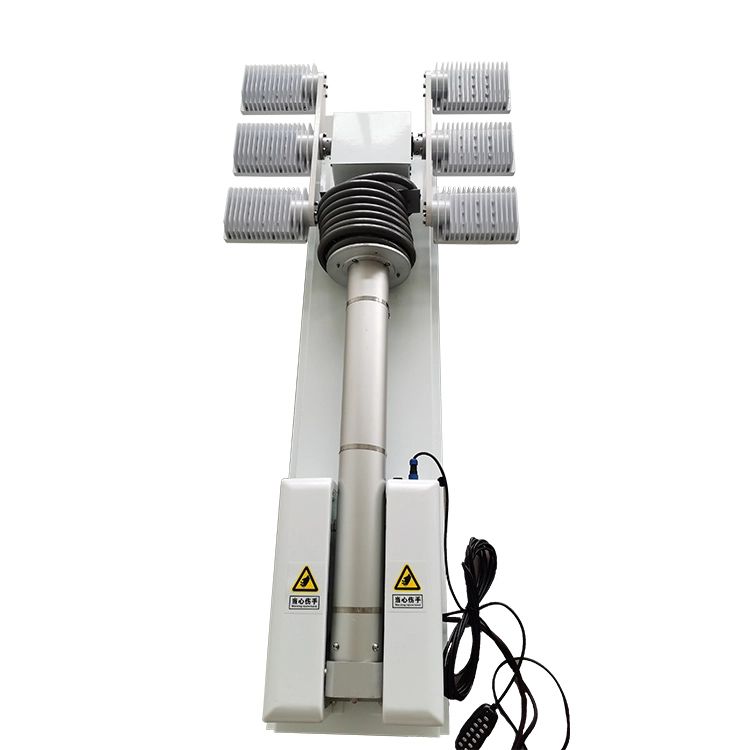
When the sun drops, a jobsite doesn't have to slow down. The problem is rarely the crew—it's the lighting. Standard towers leave gaps, create glare, and force operators to work around shadows instead of through them. Custom light tower solutions flip that by matching the equipment to the actual site instead of asking crews to adapt to generic gear. At Homall Industry Limited, that means tower height, beam spread, and placement are all tailored to how your night operations actually run. If visibility is the bottleneck, the fix starts long before the first shift after dark.
Night Work Demands More Than a Standard Light Pole
Standard light poles are built for streets and parking lots, not for the shifting edge of a construction zone or an emergency repair site. Their beams are fixed, their height is fixed, and the pool of light they throw leaves tall equipment and trenches riddled with shadow. Once the sun drops, a crew needs illumination that moves with the work: portable mast lights that can be repositioned in minutes, diffused heads that cut glare for operators, and enough overlap between fixtures to erase blind spots around moving machinery.
There is also the question of how the light renders what it touches. The sickly orange cast of older roadway lighting flattens colors and hides subtle differences in soil, conduit, and warning tape. Night work goes faster and safer under a cooler, high-CRI beam that keeps reds red and blues blue, so a cable label or a fresh cut in the ground is obvious at a glance. Add the need for quiet generator power, weather-sealed connections, and rapid setup after a highway incident, and the difference from a standard pole becomes hard to overstate.
Matching Light Spread to the Actual Work Area
Getting the spread right starts with measuring the actual task surface, not the room dimensions. A bench that is four feet wide but only eighteen inches deep rarely needs a flood pattern meant for a square bay. If the fixture is mounted too high or the beam angle too wide, the edges of the light fall onto the floor or the neighboring aisle, which creates glare and wastes output. Narrowing the beam or lowering the housing just a few inches can pull those lumens back onto the work surface, improving contrast without raising wattage.
Fixture spacing also has to follow the shape of the work area rather than a fixed grid. For an assembly line, overlapping oval distributions along the conveyor keep hands and small parts evenly lit, while a laboratory bench may call for rectangular optics that push light forward and sideways but not backward into the user's face. Checking the photometric plot against a simple tape-measure sketch prevents the common mistake of lighting the middle of the room beautifully while the corners where people actually cut, inspect, or assemble fall into shadow.
Cutting Glare Without Sacrificing Coverage
Midday sun has a way of turning a comfortable room into a squinting contest. The usual fix is to pull a heavy panel across the glass, which kills the glare but also buries the view and leaves the space feeling closed off. There is a better middle ground: fabrics and films designed to scatter harsh light instead of simply blocking it. The weave or coating does the work, softening the brightest hours without turning the window into a dark rectangle.
Coverage here is not about piling on more layers. It is about keeping the entire opening addressed while changing how the light behaves. A dense enough material can still read as airy from inside, filtering the sharpest rays at the source. That means you get full privacy and consistent shading across the whole pane, but the room keeps a natural glow instead of a cave-like dimness. The difference often comes down to the angle of the fibers or the way the backing is applied, not extra thickness.
The real test happens in late afternoon, when glare creeps across desks and screens. With the right treatment, you can leave the window covered and still work comfortably, because the light has already been tamed before it enters. You are not choosing between protection and openness anymore; the glass stays fully dressed, the view remains intact, and the worst of the reflection is simply gone.
Keeping Crews Safer When Shadows Hide Hazards
Shadow lines across a trench or loading dock are not just an annoyance—they can swallow a step edge, a live cable, or a shifting load. Crews often adjust their eyes to the brightest area in view, leaving the darker pockets unread. That mismatch is where slips, trips, and dropped tools tend to cluster.
Portable task lighting placed low and aimed across the work surface does more than overhead floods. It pulls texture out of the dark and shows what a hard shadow was hiding. Where fixed lights cannot reach, crews should pause and reposition rather than push through on guesswork.
Short pre-task walks with the lights off can also expose the worst shadow zones before work starts. Mark those spots, shift equipment, or add light until the hazard is visible. The goal is not a brighter site everywhere; it is making sure no one has to step into a dark patch to find out what is there.
Custom Mounting for Tight or Uneven Jobsite Layouts
Not every mount lands on a flat, open wall or a level concrete pad. On real job sites, you get steel columns offset from the equipment centerline, conduit runs eating up the only clear corner, and floors that slope toward a drain. Standard brackets force you into one of two bad choices: shim everything until it looks level, or break out the welder and start modifying on the fly. Custom mounting solves that by putting the adjustment where it belongs. Slotted bases, eccentric washers, and pivoting plates let the assembly shift sideways, tilt a few degrees, or straddle an uneven surface without transferring that stress into the equipment frame.
Tight layouts benefit just as much. When a pump or control panel has to live between an existing pipe rack and a door swing, a fixed footprint rarely fits. A purpose-built offset bracket or a low-profile rail system can move the load into the available space while keeping bolts accessible and airflow clear. The mounting points don't need to be perfectly plumb, either. Threaded leveling feet and spherical washers take up the gap, so the unit can be dialed in after it is hanging or set in place. That matters more on uneven ground than most drawings admit.
The practical payoff is less time spent reworking brackets, cutting shims, or re-drilling holes. Because the mounting hardware carries the adjustment range, crews can set equipment close, check alignment, and make small corrections without loosening everything and starting over. It also reduces the temptation to force a rigid bracket into position, which usually ends with stripped threads or a twisted frame. For awkward corners, sloped slabs, and cramped mechanical rooms, that kind of field forgiveness is the difference between a clean install and a job that gets fought all the way to startup.
Longer Runs and Quieter Operation for Overnight Shifts
Night crews know the struggle of equipment that quits halfway through a shift or runs loud enough to rattle the whole floor. This model was built to keep going when the sun goes down, with a tank capacity that stretches well past a standard eight-hour rotation. You won't find yourself refilling at 2 a.m. or babysitting a machine that tends to sputter after a few hours of steady use.
Noise matters more at night, when every decibel seems to bounce off dark walls and empty corridors. The operating sound has been pulled back enough that you can hold a normal conversation nearby without raising your voice. That isn't just about comfort; it's about keeping focus sharp during the hours when tiredness creeps in and small mistakes become costly.
In practice, this combination changes how overnight shifts feel. Instead of planning around frequent stops or isolating noisy equipment to a far corner, the machine slips into the background. Teams can keep their rhythm, and the floor stays calm enough to catch the early signs of any other issue before it turns into a breakdown.
FAQ
A custom tower is built around the actual layout and task, not just a generic mast height and lamp count. The placement, beam angle, color temperature, and mast height get matched to where crews are moving, where equipment is staged, and where shadows tend to collect. That can mean fewer towers on site, less glare hitting operators, and fewer dark pockets between work areas.
Start with a walk of the site at dusk with someone who knows the work sequence. Mark the main travel lanes, fueling areas, material drops, and any spot where a crew member works with blades, controls, or rigging. From there, coverage is planned in zones, not just by acreage, because a single bright pool in the wrong place can create more contrast and hide hazards at the edges.
Yes. When access is poor or space is tight, the base and mast design can change. Compact tracked bases, adjustable outriggers, lower transport profiles, and masts that tilt or extend around overhead obstructions are all possible. The idea is to fit the tower to the path it has to travel and the surface it has to sit on, so crews are not forced to compromise coverage because a standard trailer cannot reach the spot.
Many custom towers can pair LED lamp heads with solar assist, battery storage, or smaller diesel generators that cycle less often. Some setups use hybrid systems that run quietly on battery for part of the night and only fire the generator to top off. For longer winter nights, the system can be sized so fuel consumption drops without giving up light output.
Glare control comes down to mounting height, aiming, and optic selection. Lights can be aimed away from the line of sight of operators, shielded on the back side, or fitted with optics that spread the beam wide and low instead of throwing a harsh point source across the site. A custom layout can also lower mast height near elevated work platforms so the light comes from below eye level rather than straight into the cab.
A well-designed system leaves room to adapt. Mast heights can be specified with extra headroom, lamp counts can be staged, and mounting positions can be planned so a tower can be moved to a new zone without rewiring the whole site. If the work front expands, the original plan can work as a backbone rather than needing a full replacement.
It should start with questions about shift length, task types, equipment blind spots, and who is moving through the site at night. Then the designer should come back with a proposed coverage map, a list of power loads, and practical notes on setup and relocation. The best process is conversational, not a catalog pick. If the provider is not asking about your sequence of work, the design may miss what actually matters after midnight.
Often yes. Hand signal visibility improves, tripping hazards get easier to spot, equipment approaches become more predictable, and workers spend less time shading their eyes or repositioning portable lights. The effect shows up in fewer near misses, faster material handling, and less downtime from weather or task changes because the lighting is already matched to the way the site runs.
Conclusion
Night work quickly shows where standard light poles fall short. A tall fixture may throw light across a wide area, but it rarely follows the actual work zone, so crews end up moving between harsh glare and unlit patches. Custom light towers close that gap by matching beam spread to the real footprint of the task—whether it is a narrow lane closure, a foundation pour, or a long utility corridor. The optics can be tuned to hold brightness on the work surface while reducing spill toward traffic, nearby homes, and equipment operators. That shift cuts glare without giving up coverage, turning raw output into light people can actually work under.
Mounting matters just as much on congested or uneven sites. Adjustable masts, low-profile bases, and brackets made for barriers, bridge decks, or sloped ground let crews place fixtures where the light reaches the work instead of fighting the layout. Because hazards tend to hide in shadows, overlapping beams help remove dark pockets around trenches, rebar stacks, and travel paths. For overnight shifts, custom power setups also support longer run times and quieter operation, keeping the site lit without adding constant noise for workers or nearby residents. The overall effect is a night jobsite that feels more predictable and less like a stretched version of daytime work.
Contact Us
Contact Person: Ryan
Email: [email protected]
Tel/WhatsApp: +85259582726
Website: https://www.robomast.com/