

Custom Chemical Printing and Dyeing Membrane Filter Press - Understanding Design Options for Better Filtration Results
2026-08-29
When filtration performance starts dictating your production line’s uptime, standard filter presses rarely cut it. Chemical printing and dyeing operations deal with aggressive slurries, variable particle loads, and color-critical wastewater—so membrane plate design, feed pressure, and cloth selection aren’t just technicalities; they’re the levers that separate clean discharge from costly bottlenecks. In this guide, we’ll walk through the design options that actually move the needle, with practical insights from Sinou’s custom-built systems.
When the Dye Bath Keeps Changing Viscosity Mid-Shift
When the dye bath viscosity starts swinging halfway through a run, the first clue is usually on the pressure gauge—pump speed stays put but flow drops, or the fabric comes out with uneven depth. Instead of immediately adding water or thickener, pull a sample and run a quick cup viscosity test next to the in-line reading. The gap between those two numbers tells you whether the sensor is fouled or the bath is genuinely changing. Often the culprit is a temperature drift in the mixing tank, leftover hydrolyzed thickener from a previous color, or a salt addition that landed too fast.
A more stable approach is to log viscosity every fifteen minutes against dye and chemical dosing events, not just time. If the swings line up with alkali dosing, split that addition into three smaller shots rather than one large slug. For reactive dye baths, monitor electrolyte concentration closely—high salt levels can cause a sudden viscosity spike that mimics under-mixing. And before adjusting the recipe, check whether the bath volume has crept up from routine rinses; extra water alone can thin the bath enough to shift shade. The target is not flat viscosity but predictable viscosity, so the control system and the operator are reacting to the same signal.
Plate Materials That Survive Acid Washes and Caustic Rinses
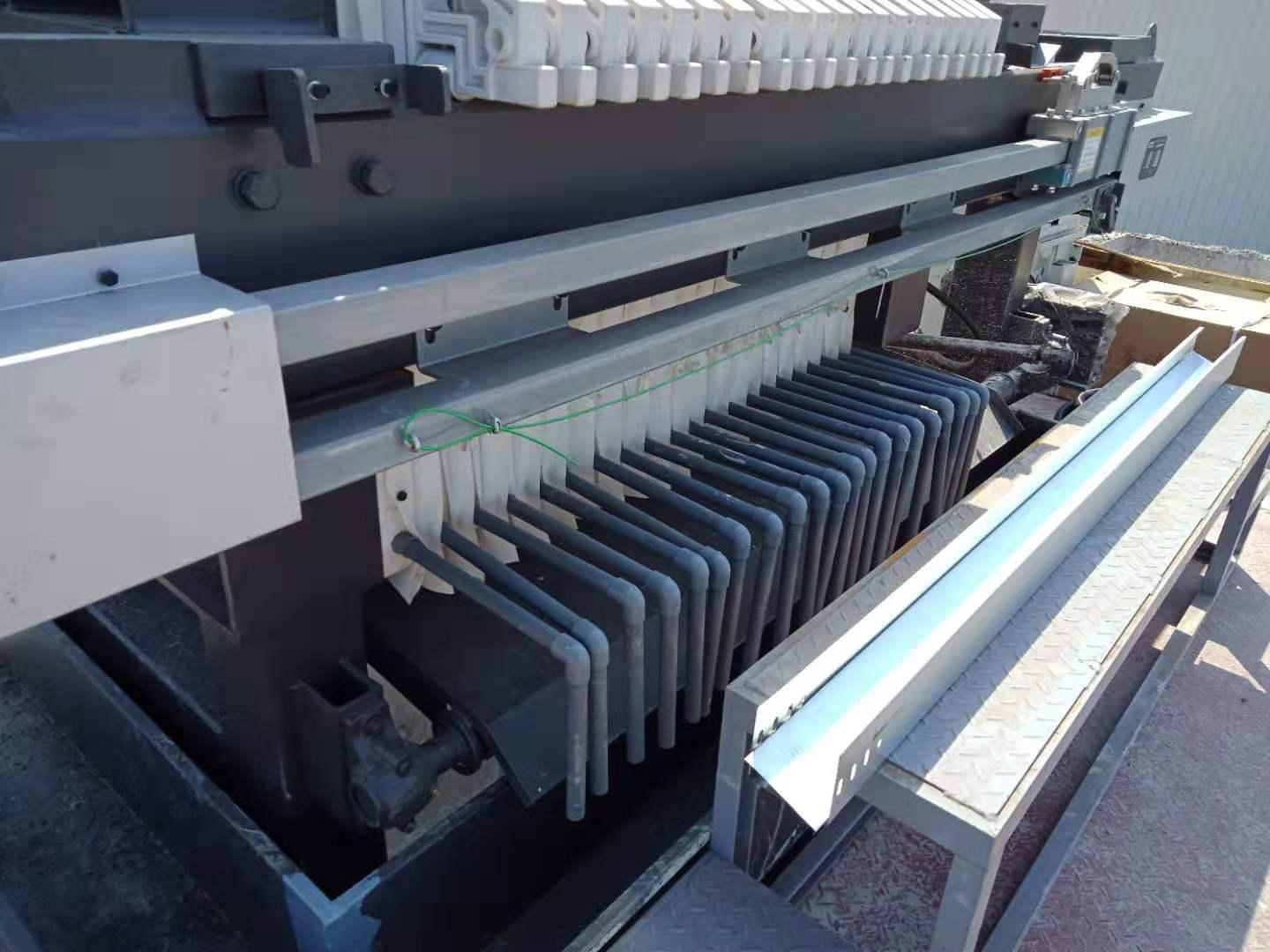
Not every plate material can handle the aggressive swings of an acid wash followed by a caustic rinse. The key is choosing alloys that resist both low-pH attack and high-pH stress without pitting, cracking, or losing surface integrity. For most industrial settings, stainless steels with high molybdenum content, such as 316L or 2205 duplex, stand out because the molybdenum helps stabilize the passive layer even when chlorides sneak in with the acid. Nickel-based alloys like Hastelloy C-276 or Inconel 625 go a step further, offering exceptional resistance to hydrochloric and sulfuric acid blends while shrugging off hot caustic solutions that would embrittle lesser steels.
Titanium is another contender, especially where nitric acid or chlorine dioxide washes are common, but it can be risky if the caustic rinse runs hot and concentrated, since titanium becomes vulnerable to hydrogen embrittlement in strong alkaline environments. For milder duties, some fabricators use super-austenitic grades like 904L or 254 SMO, which deliver solid performance without the cost of high-nickel alloys. The real trick is matching the exact acid and caustic concentrations, temperatures, and contact times—often overlooked variables that turn a “resistant” plate into a maintenance headache. Simple carbon steel, even with a protective coating, rarely lasts more than a few cycles before the coating breaks down and the base metal corrodes.
Field experience shows that plates with a smooth, low-roughness finish tend to survive longer because there are fewer crevices for acid or caustic residues to lodge and concentrate. Regular inspection for early signs of stress corrosion cracking, especially around weld seams, is just as important as the material choice itself. When in doubt, a test coupon program with actual process fluids beats any spec sheet, because real-world contaminants—like iron from upstream piping or trace organics—can shift the corrosion behavior in ways no lab data predicts.
Feed Manifold Geometry for Pastes That Blind Standard Filters
Pastes that blind standard filters usually fail not because the media itself is too fine, but because the feed side never delivers a uniform layer of material. In a conventional manifold, the inlet stream enters a relatively large chamber, drops velocity, and leaves stagnant corners where solids can settle and dewater. Once that happens, the effective open area shrinks and the remaining flow accelerates through a smaller cross-section, which forces more particles into the media and accelerates blinding. Adjusting the manifold geometry—tapering the distribution channel, moving the inlet away from the filter surface, or adding a shaped deflector—changes how the paste first contacts the filtration zone. The goal is to keep the material moving at a shear rate high enough to prevent a packed bed from forming before it reaches the cloth or screen.
A practical approach is to avoid any sudden expansion or sharp turn in the feed path. These features create low-velocity recirculation zones where paste can thicken. Instead, the manifold should transition smoothly from the inlet pipe to a slot or series of ports that spread the paste across the full filter width. For example, a tapered manifold with a cross-section that decreases linearly from the feed end to the far end can compensate for frictional pressure loss and deliver nearly constant outlet velocity. Adding a narrow gap ahead of the filter surface also helps; the paste experiences a brief but intense shear, which breaks up any particle networks and allows the liquid to separate more cleanly. In some designs, the manifold includes internal baffles or a perforated plate, but these must be spaced so they do not become additional collection points for solids.
The exact dimensions depend on the paste's rheology and solids content, so a single universal manifold shape does not exist. Testing with a transparent prototype or a quick CFD run can reveal where material stalls, and those dead zones are usually where blinding starts. For sticky or highly thixotropic pastes, it is often better to make the manifold narrower than conventional designs and to position the outlet as close to the filtration surface as practical. Removable wear plates or a split housing also help, because pastes that blind filters tend to pack into any crevice and eventually alter the geometry anyway. Routine inspection of the manifold after cleaning will show whether the flow path is actually doing its job or just creating a more evenly distributed blockage.
Matching Squeeze Pressure to the Cake You Actually Want to Haul Away
Most operators treat squeeze pressure like a dial you crank to max and forget. That works until you pay to haul water. The whole point of squeezing is to remove the liquid that would otherwise ride along in the truck, so the pressure you choose should line up with how dry the cake needs to be for your disposal route. If the hauler charges by the ton and the landfill rejects sloppy material, a harder squeeze makes sense. If the cake is going to a local compost pad that wants some moisture for handling, backing off the pressure can save cycle time and wear on the membranes.
Start with the end destination. A cake headed for incineration or long-haul landfill usually needs to be as dry as your press can produce, which means pushing squeeze pressure toward the upper end of the manufacturer's range. But watch the curve: once you pass a certain point, each extra bar of pressure returns less water and more stress on the cloths and plates. You are not chasing dryness for its own sake. You are chasing the moisture level that keeps the hauling bill and the press maintenance in a sane balance.
A quick field test beats a spec sheet. Grab a handful of cake after a cycle at your current pressure, drop it, and see if it shatters or splats. If it splats, the truck is carrying water you could have left behind, and a slight bump in squeeze pressure is worth trying. If it shatters and crumbles, you may already be overdoing it. Adjust in small steps, log the results for a few days, and you will find the pressure that gives the hauler a cake they can handle without turning your filter press into a maintenance headache.
Cloth Weave Choices That Keep Reactive Dye Cakes From Sticking
The texture of a cloth weave does more than influence how a garment feels against skin; it dictates how reactive dye cakes release during the printing process. Tight, dense weaves like plain percale or tightly twisted poplin leave almost no room for dye particles to settle into surface irregularities, so the cake sits on top and often bonds prematurely with the fabric. On the other end, an excessively loose weave with large floats creates deep pockets that trap moisture and unreacted dye, leading to uneven pickup and stubborn residue. The sweet spot usually lies in a balanced twill or a lightly brushed plain weave, where micro-grooves provide just enough grip to hold the cake in place without locking it down.
When selecting cloth for reactive dye cake printing, pay attention to the yarn structure rather than only the weave name. Ring-spun yarns with a slight hairiness tend to perform better than compact or open-end yarns because the protruding fibers act like tiny hooks that stabilize the dye cake during the initial contact phase. However, if the hairiness is too pronounced, the dye can wick into the fibers and form a crust that resists clean release. A moderate twist level in both warp and weft—somewhere around 3.8 to 4.2 twist multiplier for cotton—keeps the surface receptive without becoming overly absorbent. This balance lets the moisture from the dye paste evaporate evenly, so the cake lifts away as a cohesive film rather than shattering into flakes that stick to the cloth.
Another overlooked factor is the finishing treatment applied before printing. Singeing and mercerizing can smooth out the weave so aggressively that the cloth becomes almost glassy, which sounds good for release but actually reduces the friction needed to keep the dye cake from sliding and smearing. A light enzyme wash or a controlled sanforizing pass restores enough texture to the fiber surface without weakening the fabric. In practice, many printers find that a 2/1 twill with a medium thread count—between 90 and 110 ends per inch—strikes the ideal compromise, offering enough structure to prevent dye migration while retaining the subtle roughness that lets a reactive dye cake detach cleanly after the flash cure.
Automation Levels That Fit a Ten-Batch Day Instead of a Thousand-Batch Week
In a ten-batch day, the automation that actually pays off rarely looks like a robot-filled line. It's more about trimming the seconds between setup and first good piece. A quick-change fixture that slides into a known datum, a barcode scan that pulls the right recipe, or a single button that zeroes a scale and tares a hopper can matter more than a fully automatic cell that takes an hour to reprogram. The goal is not to remove people; it's to remove the pauses where people wait on machines or paperwork.
Semi-automated steps earn their keep quickly at this volume. Think of a dispense valve that meters the exact amount of adhesive after a foot pedal press, or a torque driver that counts turns and flags a missed fastener. These tools don't demand a controls engineer to change products. Operators still guide the process, but the machine catches the drift. That blend keeps ten batches moving without forcing a small team into a corner when the next job is completely different.
The highest sensible level is often recipe-driven setup rather than full sequence automation. A controller that stores parameters for each formula—mix speed, temperature ramp, hold time—lets one person switch from batch seven to batch eight by scanning a bucket and pressing start. It doesn't need to load and unload everything itself. At ten batches a day, the bottleneck is rarely the motor or the heater; it's the time lost to guesswork and manual re-entry. Automation aimed at that friction, not at replacing the operator, fits the rhythm of the day.
FAQ
In dyeing wastewater, the sludge tends to be gelatinous and holds water tightly. A membrane press adds a secondary squeezing phase after the initial feed cycle, which forces out capillary water that a recessed plate design leaves behind. That extra pressure typically lowers cake moisture by several percentage points and can cut drying or hauling costs enough to justify the upgrade.
Larger plates increase filter area and can process more volume per cycle, but if the chamber is too deep, the cake builds unevenly and the membrane may not reach the core before the squeeze step. A shallower chamber with a wider plate stack often gives faster cycles and drier cake because the distance for filtrate to travel is shorter. Custom sizing lets you balance throughput against the specific settling characteristics of your dye sludge.
Polypropylene membranes are common for moderate temperatures and acidic or caustic dye liquors, while EPDM or NBR elastomers are selected when the waste stream contains oils, solvents, or sharp temperature swings. The wrong membrane material can swell, crack, or lose elasticity after repeated contact with residual dye carriers, so custom presses usually offer material options matched to the plant's actual effluent profile rather than a one-size-fits-all choice.
Yes. For thick or sticky dye sludge, the press can be built with a center-feed manifold and larger corner feed ports to reduce clogging, along with a gravity or screw-assisted discharge zone. Some custom designs also include a membrane shifting system or plate vibrators so the cake drops cleanly instead of hanging up between plates, which matters when handling high-viscosity material that would otherwise slow turnaround.
Dye pigments and finishing chemicals tend to blind filter cloths quickly, especially with reactive or vat dye waste. An automatic high-pressure cloth washing system, usually mounted on a moving bridge, can restore cloth permeability between cycles without manual scrubbing. If skipped or under-designed, blinded cloths force longer filtration times and more frequent manual washdowns, so the automatic option often pays for itself in consistent cycle times.
Air-blown membranes are simpler and often faster to actuate, but the squeeze pressure is limited by the plant air supply and can be uneven across large plates. Hydraulic squeezing with water or a glycol mix delivers higher and more uniform pressure, which usually produces a drier cake, though it adds a pump and fluid reservoir to maintain. For dye sludge that compacts poorly, the hydraulic route generally gives better final moisture, while air may be enough for lighter or more fibrous material.
A combination of plate shifting devices, automatic cloth washing, and a drip tray that opens and closes with the cycle can cut the manual steps between batches. Some custom presses also include a light curtain or proximity sensor so the operator does not have to stand at the plate stack during opening. Cake release improves with a well-tuned membrane retraction sequence and non-stick filter cloth treatments, which reduce the need for scraping plates by hand.
Access to the hydraulic unit, ease of replacing individual membranes, and the availability of spare plate packs matter more than initial purchase price in dyeing service. The highly colored and often abrasive sludge can wear plate sealing surfaces and hinge pins, so designs with replaceable wear strips, greaseless bushings, and lift-off plate handles reduce downtime. Ask about membrane warranty and burst pressure ratings, since dye operations tend to push squeeze pressures to the upper end.
Conclusion
Shifting dye bath viscosity mid-shift tends to turn a routine filtration cycle into a guessing game. Rather than relying on a one-size-fits-all chamber plate, a customized membrane filter press can incorporate feed manifold geometries that prevent pastes from blinding the standard filter surface. The plate materials also matter more than most operators expect: repeated acid washes and caustic rinses will chew through ordinary polypropylene, so opting for chemically resistant grades or specialized coatings keeps the press running without warping or stress cracking. Even the manifold layout needs to account for how the thickened dye paste enters each chamber, because uneven distribution leads to uneven cake thickness and premature cloth wear.
Squeeze pressure should be matched to the actual cake you plan to haul away, not just the highest rating on the pump. Over-squeezing turns a soft reactive dye cake into a rock-hard layer that fights removal, while under-squeezing leaves excessive moisture and higher disposal costs. Cloth weave choice is equally critical for reactive dyes; tight, smooth weaves reduce sticking and improve cake release without compromising clarity. Finally, automation levels need to fit a ten-batch day rather than a thousand-batch week—simple programmable cycles with manual override often beat fully automated systems that demand constant tuning. These design options, taken together, let the press handle chemical printing and dyeing slurries with fewer stoppages and more predictable results.
Contact Us
Contact Person: HaiYan
Email: [email protected]
Tel/WhatsApp: +86 18957325588
Website: https://www.senyoubeton.com/