

Conveyor Pulley Supplier Guide: How to Choose the Right One for Your Needs
2026-11-16
Downtime from a failed conveyor pulley can cost thousands per hour—yet many buyers still treat pulley selection as an afterthought. The right supplier does more than ship a part; they help you match shell thickness, lagging, and bearing specs to your actual load and speed. Below, we break down what to look for before you sign the order. And if you'd rather skip the trial and error, YUFENG has spent years refining pulley designs that survive real-world abuse, not just lab tests.
Pin Down What Your Conveyor Really Needs
Before you even glance at a catalog, write down what the conveyor actually has to carry. Load weight, shape, temperature, and whether it is oily, sharp, or abrasive will quietly shape every downstream choice. A line that moves sealed cartons at room temperature has almost nothing in common with one feeding hot, jagged scrap into a baler. Ignore those details and you will end up overbuilding for a light task or, worse, installing something that stalls after three shifts.
Speed and spacing matter just as much as the material itself. Ask how many parts per minute need to arrive, how far they travel, and whether there are elevation changes, curves, or accumulation zones. If the line feeds a robot, the conveyor often has to stop, hold, and release on a signal—so start-stop frequency and positioning accuracy become real requirements, not footnotes.
Finally, pin down the environment. Washdown areas, freezing docks, and dusty packaging rooms each push you toward different frame materials, bearings, and belt surfaces. Once you have that short list of must-haves on paper, the rest of the selection process stops being guesswork.
Check If the Supplier Offers Real Engineering Help
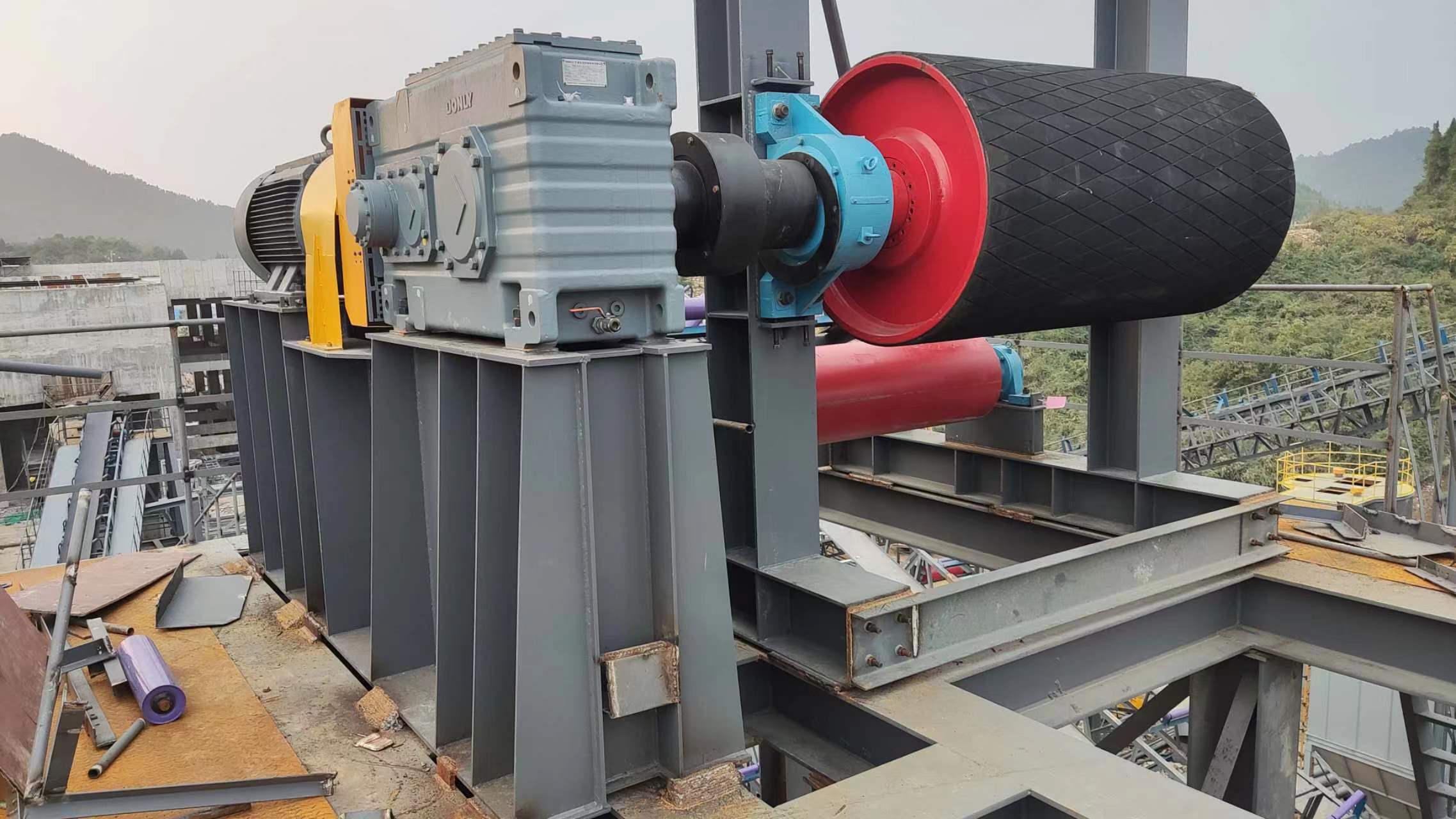
A supplier’s catalog may look impressive, but the real test is whether their team can actually solve your technical challenges. Instead of asking “Do you provide engineering support?”—which almost always gets a yes—dig into specifics. Share a current design problem or a tight tolerance requirement and watch how they respond. Do they ask clarifying questions, suggest alternative approaches, or point to similar past projects? Genuine engineering help means they engage with your constraints, not just forward a generic datasheet.
Pay attention to the people involved in the conversation. A true engineering partner will bring in their own design or application engineers early, often without being asked. They might propose a joint call to walk through a DFM analysis or offer to prototype a small batch before you commit. If the supplier only communicates through sales representatives and keeps technical staff hidden, that’s a red flag.
Finally, test their follow-through. Ask for a written technical recommendation, a tolerance stack-up, or a failure-mode discussion. A supplier with real engineering depth will deliver these without hesitation, because solving your problem is how they build long-term relationships. If their “engineering help” turns out to be little more than answering emails about lead times, you’re probably talking to a middleman, not a manufacturer partner.
Dig Into Material Choices and Build Quality
The phrase premium materials gets tossed around so often it barely means anything anymore. What actually separates a well-built piece from a forgettable one is how the material behaves after months of use. Full-grain leather, for example, develops a patina instead of peeling, while tightly woven nylon with a high denier count resists snags and fraying at stress points. Run your fingers along the edges—if they feel sharp or uneven, that is a sign the manufacturer cut corners before assembly even began.
Build quality lives in details that do not photograph well. Check the stitching near zippers and straps: consistent stitch length and no loose threads suggest the maker adjusted tension properly. Metal hardware should have a bit of weight to it—cheap zinc alloy feels hollow and chips quickly, while solid brass or stainless steel ages without losing function. Listen for a smooth, muted zip rather than a grinding rattle. Those small cues tell you more about durability than any marketing line ever will.
Ask About Custom Fabrication Before You Get Stuck
Plenty of projects hit a wall because nobody thought to ask whether a custom part was even possible. Standard components look fine on paper, but once you're deep into assembly, a slight mismatch in mounting holes or clearance can force you to rework entire sections. Bringing up custom fabrication early—even if you're not sure you'll need it—gives you room to adjust the design before anything gets welded, machined, or ordered.
When you sit down with a fabricator, don't just hand over a drawing and hope for the best. Talk about the materials you're considering, the tolerances that actually matter, and any finishing steps that might affect fit. A good shop will point out where you're over-specifying or where a simpler approach could save money. They've seen enough last-minute fixes to know which questions to ask before you lock in a design.
The real trap is assuming custom work is either too expensive or too slow, then scrambling when nothing off the shelf fits. Getting a rough quote and lead time early costs you nothing but a short conversation, and it often prevents expensive rework later. If you wait until you're stuck, you'll be paying rush fees and making compromises you wouldn't have needed otherwise.
Compare Lead Times and After-Sales Support Honestly
Many buyers fixate on the quoted price and ignore the less glamorous realities of production timelines and post-purchase support. Comparing lead times honestly means asking not just for the best-case scenario but for what happens when a component is delayed, a material shipment stalls, or a machine breaks mid-run. A supplier that promises four weeks but routinely delivers in seven will cost more in idle labor than a slightly pricier competitor who consistently ships in five.
After-sales support is where the real relationship begins. Instead of glossy service-level agreements, ask pointed questions: Who answers the phone on a Saturday night? Is there a local technician, or will you be waiting on a part from overseas while your line sits still? Honest comparison means checking references from companies similar to yours, not just the flagship clients listed on a brochure.
Put both factors side by side before committing. A vendor with a longer lead time but rock-solid post-installation response can beat a fast shipper that vanishes after the invoice is paid. Write down actual numbers—average delay days, guaranteed response windows, spare parts availability—and let those figures, not the sales pitch, drive the decision.
Look Past Price to Total Cost of Ownership
Sticker price rarely tells the full story. A machine may cost less upfront but demand frequent repairs, burn more energy, or require specialized parts that take weeks to arrive. Those expenses compound quietly, often surpassing the savings from a lower purchase price within the first year.
Look instead at what happens after installation. How long do components last? What does routine maintenance actually involve, and who can perform it? Energy consumption, operator training, downtime during breakdowns, and even disposal costs at end of life all shape the real financial picture.
A slightly higher initial outlay can look very different once you account for a longer service interval, readily available spare parts, and lower utility bills. The wiser comparison isn't between two price tags—it's between two ownership experiences.
FAQ
Look beyond the catalog. Ask about their experience with your specific material handling environment—abrasive, wet, high-temperature—because a supplier who mainly serves light packaging lines may not understand what a mining conveyor demands.
Request a quick turnaround on a drawing or 3D model for your specs. A capable supplier will ask about shaft sizes, bearing centers, lagging thickness, and duty cycle instead of pushing a standard size that "might work."
Lagging is the contact point that grips the belt. Plain steel pulleys slip under moisture or fine dust. Ask if they offer ceramic, rubber, or polyurethane lagging and whether they advise based on drive vs. non-drive positions—not just a one-size-fits-all option.
It depends on your downtime tolerance. Local suppliers often give faster replacement parts and face-to-face engineering support. Overseas may lower upfront cost, but if a pulley fails, weeks of shipping can idle an entire line. Weigh the cost of lost production first.
Ask about weld inspection methods, dynamic balancing tolerances, and whether they test-run assemblies under load. A supplier that mentions specific balancing grades (like G6.3 or better) and provides inspection reports is usually more reliable than one that only shows a certificate on the wall.
Inquire about their response time for technical questions and whether they keep records of your previous orders. If they can pull up your bearing and shaft history without you re-sending drawings, that is a sign they invest in long-term service.
Yes, but make it specific. Instead of generic references, ask for a case where the supplier solved a pulley failure at a site with similar belt speed and load. Hearing how they handled an urgent retrofit tells you more than a polished testimonial page.
Lead time honesty and packaging. A supplier that promises short delivery but misses dates can halt your project. Also check how they protect machined surfaces and shafts during shipping—rust or dings on arrival cause delays that no discount can fix.
Conclusion
Choosing a conveyor pulley supplier starts with a clear-eyed look at what your system actually demands—load weight, belt tension, speed, and operating environment all shape the specs you'll need. Skip the guesswork and find a supplier willing to dig into those details with you. Real engineering help isn't a brochure promise; it's a conversation about shaft deflection, bearing life, and whether a standard design will hold up or fail early. Once the basics are clear, material choices matter more than most buyers expect. The difference between a rolled steel shell and a machined one, or the type of lagging applied, can mean years of trouble-free running versus constant replacement and downtime.
Custom fabrication is another area where waiting too long to ask can leave you stuck with a pulley that only sort of fits. A supplier who can adjust hub styles, face widths, or shaft materials before the order is locked in saves you from expensive field modifications later. Lead times and after-sales support deserve honest comparison too—some suppliers quote a short delivery but disappear once the invoice is paid, while others stock spare parts and answer calls after installation. Finally, look beyond the sticker price. A cheaper pulley that wears out in eighteen months and requires frequent maintenance often costs far more over its life than a well-built unit backed by responsive support. The right choice balances upfront cost with long-term reliability and service.
Contact Us
Contact Person: Jayce
Email: [email protected]
Tel/WhatsApp: 8615318787602
Website: https://www.yuphengbelt.com/