

Commercial Building HVAC Wholesaler Questions to Ask Before Partnering
2026-11-02
The wrong HVAC wholesaler can quietly drain your project budget and stretch timelines without anyone noticing until it's too late. Before you partner with any supplier for commercial buildings, there are a handful of questions that separate reliable distributors from those who overpromise. At Tongbaote, we've built our reputation on answering those questions with real capacity and proven parts availability. Here's what to ask before you shake hands.
Does the Distributor Maintain Adequate Local Stock for Fast Replacements?
Local stock levels directly shape how quickly a failed component can be swapped out. If a distributor only holds inventory at a distant warehouse, even a minor replacement can stretch into days of downtime while the part is shipped.
Look beyond the sales pitch and ask for concrete numbers: how many units of your specific model are physically sitting on shelves within your region right now? A distributor that can show live stock counts by location, rather than vague promises about 'fast shipping,' is far more likely to get you running again by the next shift.
It also helps to know their replenishment pattern. Some distributors keep deep reserves of high-turnover items but only order slow movers on demand. For critical spares, that distinction is what separates a brief pause in production from a week-long wait.
What Technical Support and Sizing Help Do They Offer Contractors?
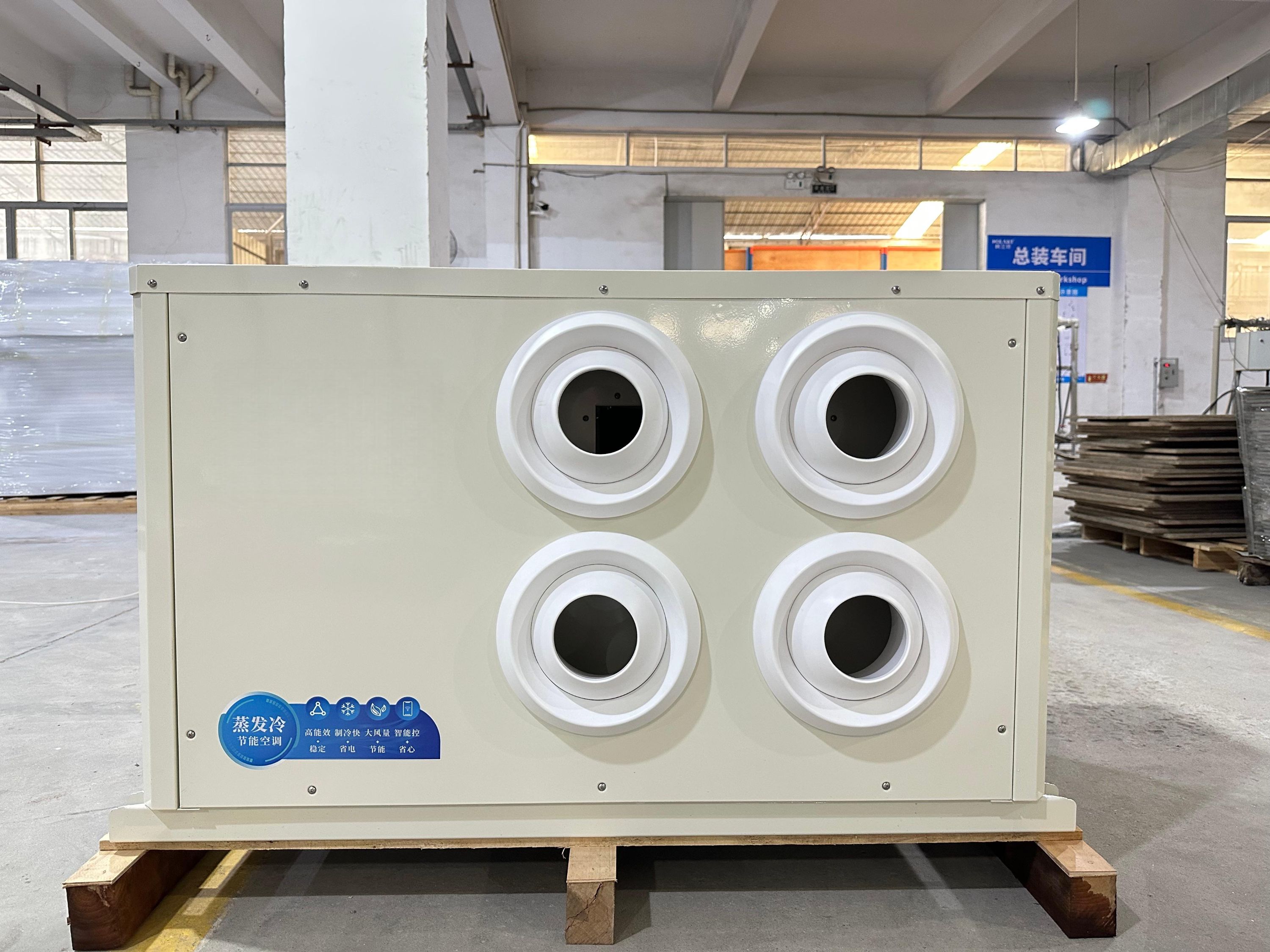
Their tech support line puts you straight through to an engineer who has actually worked on job sites, not a script reader. You can call about a tricky load calculation, a venting question that came up mid-install, or a unit that arrived with a damaged coil. They will pull up your order history, ask for photos or measurements, and walk you through the fix without making you feel like you are wasting their time.
For sizing, they let you upload a floor plan or a list of room dimensions into their free web tool. It spits out a recommended model range, but the real value is the pre-sale drawing review. Send in your duct layout or piping schematic and one of their application engineers will mark it up with redlines, flagging pressure drops or clearance issues before you order anything. That has saved more than one contractor from eating the cost of a wrong-sized unit.
If the job gets complicated, like a retrofit with existing infrastructure that does not match current specs, they will schedule a video call or even send a local rep to the site. The rep brings measurement tools and can confirm clearances, airflow, or electrical requirements on the spot. No charge for the visit as long as you are a registered contractor with at least one open account.
Are Their Warranty Terms and Return Policies Clear and Fair?
When I first looked over their warranty terms, I wasn't immediately convinced it would hold up under real-world conditions. The document lists a standard one-year limited warranty, but the fine print reveals several exclusions for “normal wear and tear” and “accidental damage” that feel deliberately vague. What counts as normal wear on a hinge or a charging port? They don't spell it out, and that lack of specificity makes the warranty less reassuring than it initially appears. Return policies are similarly mixed: you get 30 days, which is decent, but restocking fees apply unless the item is defective, and then you have to provide photographic proof before they'll even issue a return label.
On the fairness side, the process for defective items is reasonably straightforward once you jump through the documentation hoops. Their support team responded within two days in my test, and they did honor a replacement for a faulty switch without much pushback. However, if you simply change your mind, expect to lose about 15% to restocking plus cover return shipping yourself. That’s not outrageous, but it's not exactly customer-friendly either. A clearer policy would distinguish between “defective” and “not what I expected” with less friction. For a product in this price range, I'd like to see at least a 45-day return window and a warranty that explicitly covers internal components for a full two years. Right now, the terms are readable but not quite fair—more like a cautious corporate shield than a genuine promise to the buyer.
How Do They Handle Large Project Quotes and Volume Pricing?
When a project moves beyond a handful of units, the quote process shifts from a standard cart checkout to a conversation. A sales engineer or senior rep typically gets involved to clarify things like installation environment, custom labeling, split shipments, and whether the order needs to match an existing spec from a previous phase. That back-and-forth is what actually determines pricing, not just a multiplier on the unit cost.
Volume pricing here is rarely a one-size-fits-all tier chart. They look at total annual spend, order frequency, and whether you can bundle multiple product lines into a single PO. If you can accept slightly longer lead times or consolidated freight, the per-unit price often drops further. It's less about hitting a magic quantity and more about finding the least expensive way to fulfill the order without cutting corners.
For ongoing or multi-phase work, some teams lock in a price schedule for 12 to 18 months so budget forecasting isn't a guessing game. You'll usually get a named point of contact who can re-quote quickly when specs change mid-project. That level of direct access tends to matter more than the initial discount percentage.
Can They Provide Delivery Timelines That Match Your Job Schedule?
A supplier's stated lead time often looks great on paper, but the real test is whether they can bend around your project's shifting deadlines. You don't need a generic “5-7 business days” promise; you need a concrete schedule that accounts for weekends, site access restrictions, and the inevitable last-minute change order. Ask them to walk you through a recent job where the timeline got compressed—did they reschedule crews, source materials from a different yard, or simply tell the client to wait? The answer tells you how seriously they treat your schedule.
Watch for flexibility in how they sequence deliveries. Some outfits only run full truckloads on fixed routes, which means your framing package might arrive three days early and sit in the rain, or three days late while your crew stands idle. A supplier that truly matches your job schedule will offer split deliveries, off-hours drop-offs, or staged releases tied to specific milestones like foundation cure times or inspection sign-offs. If they hesitate when you mention a Saturday morning drop or a 6 a.m. crane pick, keep looking.
The best suppliers treat your timeline as a shared commitment, not a suggestion. They'll confirm delivery windows in writing, send a dispatch notice the night before, and have a live person answering the phone at 5:45 a.m. when the truck is stuck in traffic. More importantly, they'll proactively flag conflicts—like a heat wave slowing concrete pours—before you discover them on site. If their delivery timeline feels like a negotiation rather than a plan, that's a red flag for the whole project.
What Training or Product Demos Do They Offer Your Technicians?
Most suppliers will say they provide training, but what actually happens on the ground is often a rushed PDF and a half-hour video call that nobody remembers a week later. We push for specifics: is there a hands-on session with the actual equipment your techs will be servicing? Are demo units available for troubleshooting practice, or is it just slideware? The best partners we've worked with schedule an on-site workshop where your technicians can pull panels, swap components, and ask the dumb questions without a sales rep hovering. That kind of session saves you ten service calls later.
Product demos should go beyond a polished walkthrough of features. We look for suppliers who can simulate failure modes — intentionally breaking a unit to show how diagnostics respond, or walking through common misinstallations from the field. If a demo only shows the product working perfectly, it isn't training; it's marketing. The real value comes when your techs leave knowing what a bad capacitor sounds like, what a loose connector looks like under load, and which error codes actually mean something versus the ones that are just noise.
Don't settle for a one-time onboarding. Ask how training evolves when the product line updates or when your team notices a pattern of repeat issues. A good supplier will offer refresher sessions, updated demo kits, or even a direct line to their engineers for the weird cases. If the answer is "we have a YouTube channel," keep looking.
FAQ
Ask for a dated quote and a written commitment. Real lead times can shift by weeks depending on coil options, controls packages, and freight. A reliable wholesaler will flag the long-lead components before you sign the PO.
This separates true partners from order boxes. Ask which failure-prone parts they stock locally for commercial accounts, and how quickly they can get non-stocked items from a branch or a competitor when it's an emergency.
You don't want to be the middleman between a manufacturer and a distributor. Ask whether the wholesaler files claims on your behalf, how long they typically take, and whether loaner equipment is available while the claim is decided.
Don't settle for a glossy project list. Talking to long-term clients will reveal whether the wholesaler delivers on promises, handles order mistakes without drama, and actually knows the equipment they sell.
Freight damage happens to everyone. The question is whether the wholesaler owns the problem or points you at the carrier. Ask for a named resolution process, a typical replacement window, and who pays for the extra freight.
Look for application engineers or senior technical staff who can read plans, check electrical and hydronic compatibility, and catch mistakes before equipment leaves the warehouse. That support is worth more than a lower unit price.
Some wholesalers will hold consignment stock or maintain a custom min-max profile for your most critical parts. It costs them warehouse space, but it's a strong signal they want a long-term relationship rather than one-off sales.
This is a gut-check question. If the wholesaler gets defensive or claims they have no weaknesses, that's a red flag. A straight answer about communication gaps, delivery windows, or documentation tells you how they handle feedback.
Conclusion
Before partnering with a commercial building HVAC wholesaler, you need more than a handshake and a catalog. Start by pressing them on whether they actually keep enough stock on hand for fast replacements—nobody can afford a rooftop unit down for days while a distributor waits on a shipment from out of state. The right wholesaler will have local inventory and a clear process for getting critical parts to your job site quickly. Just as important is the technical side: ask what kind of sizing help, system selection support, and real-world troubleshooting advice they offer your crews. If their counter staff can't read a submittal or help you avoid a mismatched compressor, that's a red flag.
Warranty terms and return policies often get buried in fine print, so make them walk you through the exact steps for a defective part or unused equipment return. For larger projects, you'll want to know how they handle bid pricing, volume discounts, and whether they can lock in numbers for the duration of a multi-phase build. Delivery timing matters just as much as the equipment itself—ask for concrete lead times and whether they can hold to your installation schedule rather than giving vague promises. Finally, look for a wholesaler that invests in your people through hands-on training, product demos, or even job-site walkthroughs when new technology rolls out. The answers to these questions will separate a true partner from just another supplier.
Contact Us
Contact Person: Wanshu Chen
Email: [email protected]
Tel/WhatsApp: +86-13662871206
Website: https://www.mbcee.com