

China Walking Aids Series: A Comprehensive Guide to Choosing the Right Mobility Aid
2026-09-06
Walk into any medical supply store in Shanghai or browse online, and you'll find dozens of walking aids claiming to be the best. But the truth is, no single device works for everyone. Whether you're recovering from surgery, managing chronic joint pain, or simply need extra stability on uneven sidewalks, the 'right' choice depends on your body, your environment, and your goals. This guide cuts through the marketing noise. We'll walk you through the major categories—canes, walkers, rollators—and share practical tips from real users. With Suncare as your partner, you won't have to guess. Ready to find your perfect match?
When a Cane Isn't Enough, Recognize the Signs Early
You may have gotten used to reaching for your cane every morning, but lately that simple habit isn't cutting it. If you notice yourself avoiding stairs, holding onto walls more than the cane itself, or feeling winded after a short walk to the mailbox, your body is telling you something. A cane is designed for light balance and minor support—once it becomes a crutch you lean on heavily, rather than a gentle aid, the line has been crossed.
Watch for subtle shifts: you start planning outings around available seating, you dread uneven pavement, or you catch yourself using furniture to pull up from a chair. Joint pain that lingers after a rest, frequent near-falls, or a fear of walking alone are all early warnings. Ignoring them often leads to a sudden injury that could have been prevented. The moment your cane feels like a liability instead of a help, it's time to consider a walker, rollator, or a professional mobility assessment—before a small stumble becomes a serious fall.
Family members often notice the changes first: a slower pace, a hand always reaching for support, or a reluctance to go out. If someone close to you mentions concern, take it seriously. Mobility changes happen gradually, and denial is common. By recognizing these signs early—balance changes, fatigue, increased dependence on objects rather than the cane—you can maintain independence longer and stay active without the constant fear of falling.
Small Apartments and Tight Corners Demand an Aid That Fits Your Floor Plan
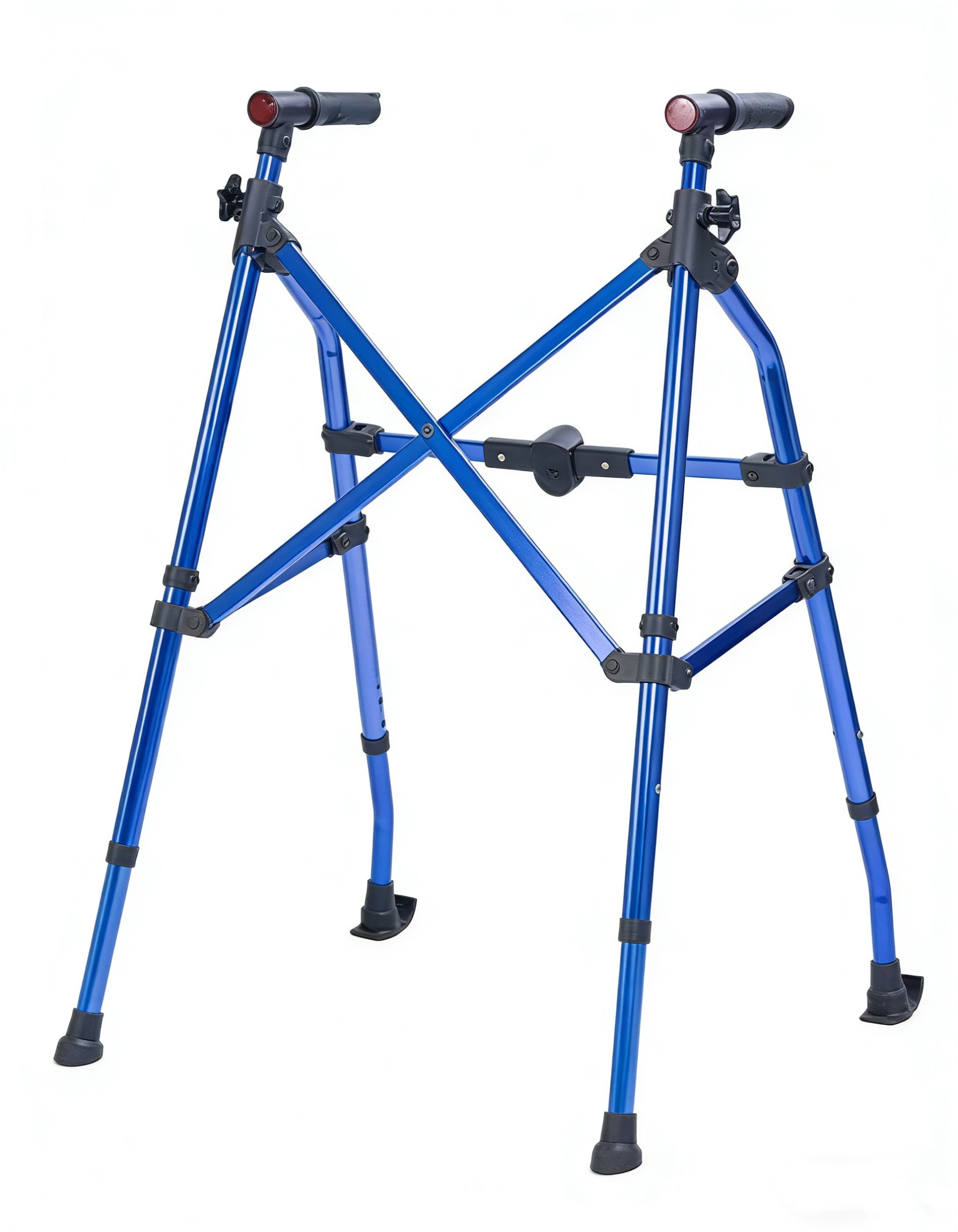
A standard rollator can become a daily obstacle course in a 500-square-foot flat. Doorways narrow to 28 inches, the gap between the bed and wall barely clears your hips, and every turn demands a three-point maneuver. What actually helps is a frame that mirrors the way you move at home, not one built for wide hospital corridors. Shorter overall width, a tighter turning radius, and brakes you can reach without twisting your wrist matter more than extra padding or oversized baskets.
Measure the spots that frustrate you most before comparing specs. The hallway outside the bathroom, the space behind the sofa, the turn from the kitchen into the living area, these are your real clearance limits. Some compact rollators slim down to 22 inches wide and still hold steady on linoleum or low-pile rugs. Others fold flat enough to slide behind a door or hang on a wall hook, which frees up floor space when you are sitting down for a while.
Swapping bulky casters for smaller dual-wheel setups can cut the swing radius by a third without sacrificing stability on indoor flooring. Look for models with angled front forks and rear wheels set slightly inward; they track through doorways without scraping knuckles or catching on trim. The goal is not just a smaller footprint on paper, but a rhythm that lets you move from bedroom to kitchen and back without stopping to rearrange furniture.
Grip and Height Matter More Than Brand Names
When you're staring down a wall of pickleball paddles, it's easy to get hypnotized by logos and the price tags that come with them. But the truth is, a famous name won't save your wrist if the grip doesn't fit your hand. A paddle that's too thin forces you to squeeze harder, which leads to fatigue and sloppy shots by the third game. On the flip side, an overly thick grip reduces your ability to snap the paddle for spin. Take the time to feel how the handle sits in your palm—your fingers should wrap around it comfortably, with just enough room to slide an index finger between your fingertips and palm.
Height plays a sneaky role too, especially when it comes to paddle length and balance. Taller players often benefit from a longer handle or a slightly extended face, giving them extra reach for serves and cross-court dinks without overextending. Shorter players might find a standard-length paddle more maneuverable, letting them react faster at the kitchen line. It's not about copying what the pros use; it's about matching the paddle's geometry to your own frame. A few millimeters in handle length or a half-ounce in weight can change how quickly you reset after a volley.
Next time you demo paddles, ignore the logo for the first ten minutes. Focus on whether you can maintain a relaxed grip through a whole rally, and whether your reach feels natural on low balls at your feet. Those two factors—grip comfort and height-matched dimensions—will do more for your consistency than any brand endorsement ever could.
Aluminum, Steel, or Carbon Fiber? Match the Material to Your Daily Routine
Aluminum is the everyday workhorse. It shrugs off rust, stays light enough to forget you're carrying it, and takes a beating without complaint. If your routine involves tossing gear in the back of a truck, biking through rain, or just wanting something that won't demand constant care, aluminum is the quiet, dependable choice.
Steel carries a different kind of weight, and not just on the scale. It's the material for people who value a plush, grounded ride over shaving grams. A steel frame dampens road chatter and flexes exactly where you need it, turning a rough commute into something almost forgiving. It might need a wipe-down after wet rides, but the payoff is a feel that modern materials still struggle to match.
Carbon fiber is the sprinter's answer. It's unforgiving in the best way, transferring every watt of energy into forward motion. If your day is a series of short, sharp bursts, or you simply love the idea of the absolute lightest setup, carbon delivers. Just know that it expects a bit more care, and it won't hide the road's imperfections the way steel does.
From Hospital to Home, the First 30 Days with a New Mobility Aid
The first week home feels less like a recovery and more like a slow-motion obstacle course. Door thresholds, bathroom rugs, even the gap between the bed and the wall suddenly demand planning. Clear a wide path through each room and stash everyday items—phone, meds, water bottle, snacks—in a basket you can carry or clip to the walker. You’ll be tired in a way that surprises you, and that’s not failure. Napping after a trip to the kitchen is normal for the first ten days.
Your arms and shoulders will ache from bearing weight, but sharp wrist pain or tingling fingers means the aid is set too high or you’re gripping too hard. Adjust the height so your elbow bends slightly, and loosen your hands whenever you stop moving. Instead of one long walk down the hall, do three short laps with rests in between. Keep a simple log of how far you go each day—not to hit a number, but to see the pattern. Progress is rarely a straight line; a bad day after a good one doesn’t erase the work.
Accepting help with cooking or laundry doesn’t make you helpless, but do the small things you can manage—brushing your teeth standing at the sink, folding clothes while seated. That preserves a sense of agency. Around week three, you may feel ready to switch from a walker to a cane or from two crutches to one. Don’t make that call alone; a physical therapist can spot compensations you won’t notice. Thirty days is a beginning, not a finish line, and the goal is moving safely, not quickly.
Brake Checks and Wheel Wobble, What to Inspect Before You Pay
Before handing over any cash, get a sense of how the brakes feel under normal driving. A soft or spongy pedal often points to air in the lines or a failing master cylinder, while a hard pedal can signal a vacuum leak or booster issue. Listen for grinding, squealing, or rhythmic scraping—these sounds usually mean worn pads, scored rotors, or debris caught between the pad and disc. Ask the seller when the pads and rotors were last replaced, and if possible, check the brake fluid level and color. Dark or gritty fluid suggests neglect, which can lead to corroded calipers and expensive repairs down the road.
Wheel wobble is another red flag that many buyers overlook. If the steering wheel shakes at highway speeds or you feel a vibration through the seat, the cause could be as simple as an unbalanced tire or as serious as a bent rim, worn suspension bushings, or a failing wheel bearing. Take the car up to speed on a smooth road and feel for any pulsing when you apply the brakes—that often indicates warped rotors. Also check each tire for uneven wear patterns, which can reveal alignment problems or worn tie rods. A quick visual inspection of the wheel wells for grease leaks around the CV boots or ball joints can save you from a costly suspension rebuild.
Finally, do a slow crawl in a parking lot with the windows down and turn the wheel fully left and right. Clunking or popping noises point to worn CV joints, while a groaning sound when turning could mean low power steering fluid or a failing pump. Pay attention to whether the car pulls to one side under braking—that can indicate a stuck caliper or collapsed brake hose. These checks take only a few minutes but reveal more than a shiny paint job ever will. If anything feels off, use it as leverage to negotiate or walk away entirely.
FAQ
You'll typically find canes, crutches, walkers, and rollators. A cane works if you need light balance support, crutches shift weight off one leg after an injury, a standard walker gives firm stability indoors, and a rollator with wheels and a seat is better for longer outdoor walks or when you tire easily.
Stand up straight with your arms relaxed. The handgrip should line up with the crease of your wrist. When you hold it, your elbow should bend slightly—around 15 degrees. That keeps your weight over the aid and prevents hunching or shoulder hiking.
Aluminum canes are lighter, adjustable, and less likely to warp in humid southern summers or rainy seasons. Wooden canes look classic and feel warm, but they're fixed-height and can swell or crack if exposed to too much moisture. For most people, aluminum is the practical choice.
Check the folded width so it fits through narrow doorways and elevators. Look for a padded seat and a backrest for rests, and solid brakes that lock easily. A lightweight frame under 7 kg is easier to carry up a few steps. Also consider a basket or pouch for shopping.
Inspect them every month. If the tread is worn smooth, the tip is cracked, or the cane slips on wet tile, replace it right away. As a rule, change tips every 6 months with daily use. Worn tips reduce grip and increase fall risk more than most people realize.
Not always. Right after surgery you may need a walker for full support, then progress to crutches or a cane as strength returns. Using a device with too much or too little support can slow recovery. Get reassessed by a physical therapist before switching.
Domestic models often offer solid quality at a lower price and are easy to find in local pharmacies or online. Imported brands may have more refined adjustments, lighter materials, or longer warranties, but they cost more. For basic use, a well-reviewed Chinese brand is usually enough; for complex needs, compare specific features rather than origin.
Wipe the frame weekly with mild soap and water, dry it thoroughly, and check bolts and joints for looseness. Clean handles and grips with a disinfectant wipe, especially after illness. Keep wheels free of hair and debris. Store it away from direct sunlight to prevent fading and brittle plastic parts.
Conclusion
Most people wait too long to switch from a cane, struggling with balance or knee pain that quietly limits daily life. This guide pushes you to notice those early signs—needing two hands to stand, avoiding stairs, or cutting out grocery runs—before a fall makes the decision for you. In China's compact apartments, a bulky walker can become another obstacle, so measuring doorways, turning radius, and storage space matters as much as the device's weight. Grip comfort and handle height also deserve more attention than brand logos; a wrist at the wrong angle turns a short walk into shoulder strain. Getting these basics right means the aid actually fits your body and floor plan, not just the marketing photos.
Material choice follows your routine: featherweight carbon fiber suits travel and quick errands, aluminum balances cost and durability for daily indoor use, and steel offers stability for those needing extra support. Before paying, run a real inspection—squeeze the brakes hard, push sideways on the wheels, listen for rattles, and fold it twice. Then plan the first thirty days at home: start with slow laps around furniture, keep the aid near the bed at night, and adjust grip height after a week of real use. The goal isn't the fanciest gear but a walking aid that disappears into your rhythm, letting you move through small rooms, crowded streets, and hospital hallways without thinking about the device itself.
Contact Us
Contact Person: Frank Chan
Email: [email protected]
Tel/WhatsApp: 0086-13924529088
Website: https://www.suncare-medical.com