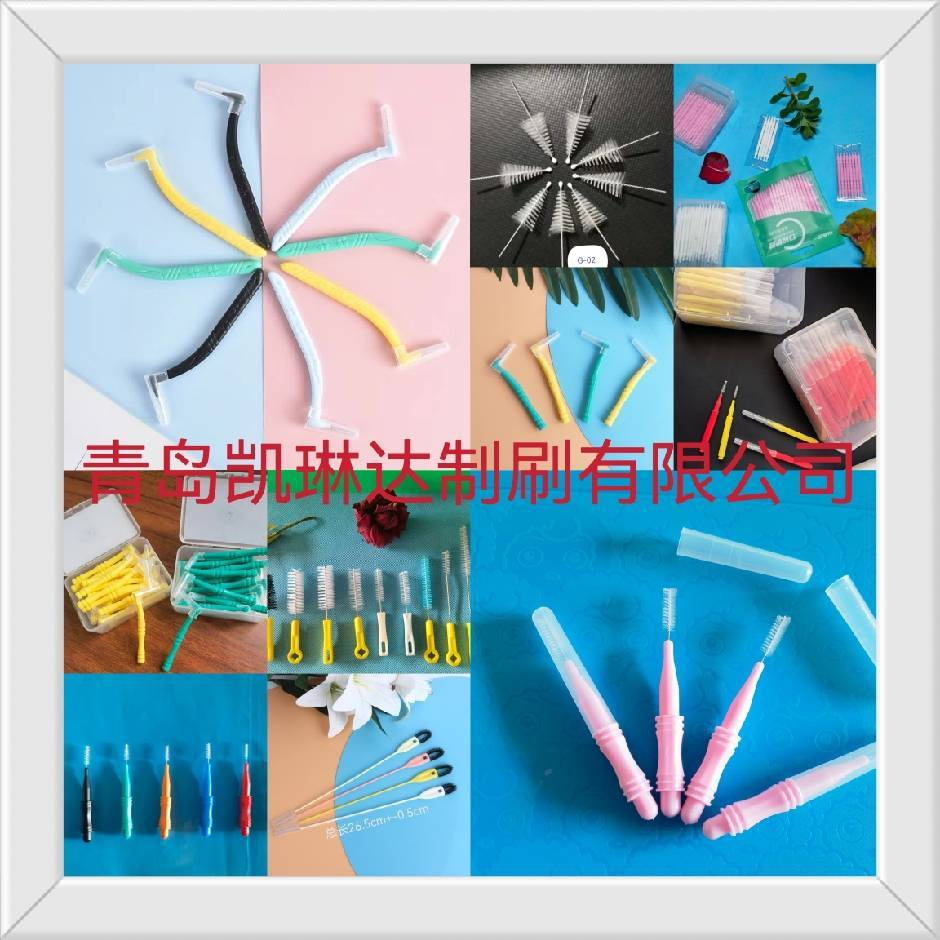

China Straw Brush Factory Delivers Natural Bristle Brushes to Global Markets
2026-11-24
There’s a certain honesty in a brush made the old way. At KLDZS, that honesty travels from a focused factory floor in China to workshops, studios, and homes across the globe. Natural bristle brushes may not shout for attention, but their feel and finish keep demanding it. As global buyers look past disposable tools toward materials that work with the hand rather than against it, this quiet export story is worth a closer look.
The Raw Fiber Sorting That Happens Before a Single Brush Is Made
Before any brush takes shape, loose bundles of raw fiber are spread across a sorting table and worked through by hand. Under angled light, sorters pull out short, brittle, or tangled strands that would later ruin the brush’s edge. This quiet stage decides more about the final tool than most people realize: the stiffness of the bristles, the sharpness of the tip, and the way the brush will carry or release material.
The remaining fibers are separated by length, thickness, and natural curve. Some lots are reserved for fine detail brushes that need a delicate point, while others go toward stiff scrubbing or heavy-duty application. The process stays deliberately low-tech because mechanical sorting can crush the very tips that give a brush its responsiveness and feel.
After sorting, the accepted fibers are cleaned, aligned, and tied into measured bundles. A single brush may combine fibers from several sorted lots, blended so the density remains uniform from the ferrule to the tip. Without this repetitive, careful culling, the finished brush might look right on a shelf but would never perform with any consistency.
How Hand-Trimming Keeps Every Bristle Row Even
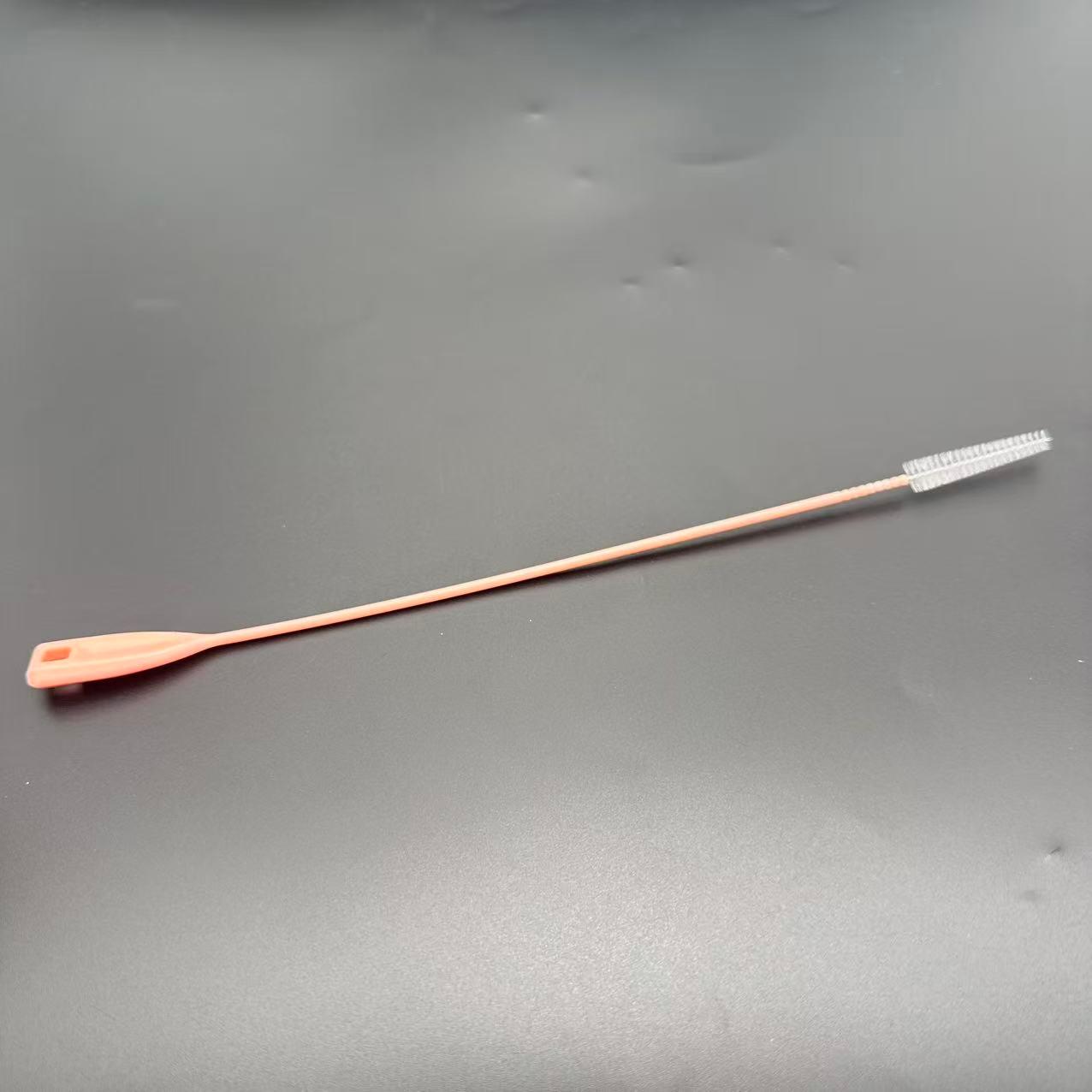
Most factories rely on automated cutters that slice entire rows in a single pass, but that approach often leaves bristles with flat, blunt tips and uneven pressure points. Hand-trimming is slower for a reason: each row is shaped in small sections while the bristles are held at their natural angle. This lets the trimmer feel how the material responds and adjust the length by fractions of a millimeter where needed.
The result is a brush face where every row sits at the same height without being aggressively leveled. Instead of forcing uniformity, the trimmer works with the slight spring of the fibers, so the outer rows keep just enough flex to reach edges while the inner rows stay firm and even. That balance is nearly impossible to copy with a fixed machine guide.
Over time, this also affects wear. Even rows distribute pressure more predictably, so no single cluster of bristles breaks down early or splays sideways. The trimming isn't just cosmetic; it's what keeps the tool feeling consistent from the first use to the last.
A Factory Floor Built Around Small Consistent Batches
Walking the floor here, the first thing you notice is that nothing sits still for long. Work moves through in deliberately small lots, sized so a single order can be completed, inspected, and shipped without waiting for a mountain of identical parts to accumulate. That rhythm keeps inventory from piling up at the edges of the line and makes it obvious within minutes when a station falls out of step.
The real advantage shows up in quality and changeover. Because each batch repeats the same tooling settings, material measurements, and hand movements, variation gets caught early instead of being buried across thousands of units. Teams can switch from one product to the next without long teardowns, not because the equipment is exotic, but because the workspace is arranged for frequent, predictable resets.
It also changes planning conversations. Instead of asking how much to push through before the next disruption, supervisors talk about what the next small run should be and whether the last one matched the standard. The floor feels less like a storage area and more like a series of controlled experiments, each batch carrying the same expectations and leaving behind usable information.
Adapting Bristle Stiffness to Different Cleaning Tasks
A stiff brush that powers through baked-on grease will chew up a nonstick coating in seconds, just as a soft bristle head made for dusting leaves grout lines untouched. Matching bristle stiffness to the surface and the kind of debris you are dealing with is not a minor detail; it shapes how much pressure you end up using, how long the job takes, and whether the finish survives the process.
On hard, unpainted surfaces such as cast iron grates or tile, shorter and firmer bristles give you the bite needed to break crusty deposits without flexing away from the mess. For coated cookware, glass, or polished stone, longer and softer bristles let the cleaning solution do more of the work while the brush glides over the surface instead of scratching it. The useful middle ground is a medium-stiffness brush with dense packing, which handles everyday grime on sinks and countertops without being too aggressive.
Rather than relying on one brush for everything, keep two or three stiffness levels within reach and change them as the material shifts mid-task. Let the resistance you feel guide the choice: if you are bearing down hard because the bristles are collapsing, step up in stiffness; if the brush is skipping or leaving fine marks, drop back down.
What Overseas Buyers Notice About the Packing
Overseas buyers often form their first impression before opening the carton. They look for clean edges, reinforced corners, and tape that runs straight along the seams. A box that arrives dented, over-taped, or with mixed branding makes them wonder whether the product inside was handled with the same care. The packaging does not need to be expensive, but it should look deliberate.
Weight distribution matters more than many suppliers expect. When a parcel is lifted, buyers notice if the contents shift or if one side feels heavier than it should. Internal cushioning that collapses by the time goods reach the port is a common complaint. Simple checks like snug inserts, dividers, and void fill that holds its shape can prevent the kind of damage that never gets reported until a second order is lost.
Small details also carry outsized weight. Handwritten markings, faded labels, or mismatched language on the outer carton can raise questions about consistency. Buyers tend to read the packing as a signal of factory discipline. When the outer box is tidy, clearly marked, and easy to open without damaging the product, it quietly builds confidence that the rest of the shipment will match the sample.
Long-Lasting Natural Bristles Without the Plastic Feel
The first thing you notice is how the bristles give under pressure instead of snapping back with that stiff, synthetic spring. They come from natural sources, but the tips are graded and trimmed so they feel smooth against the scalp rather than scratchy. Over time they soften even more instead of turning brittle, which is why a brush like this tends to settle into your routine rather than disappearing into the back of a drawer.
There is a common worry that natural bristles are too delicate or difficult to keep clean. The opposite plays out here. The fill is dense enough to hold its shape, yet porous enough to carry oils from root to end without buildup. You get a gentle polish and less static, with none of the waxy coating or plastic drag that comes with an all-synthetic fill.
Because the material is not pretending to be anything else, the brush ages in a way that feels deliberate. The bristles do not melt near heat, do not develop bent tips after a few months, and do not leave hair feeling coated. It is a quieter kind of durability—one you notice in how your hair behaves and how rarely you think about replacing it.
FAQ
It usually refers to animal hair such as hog bristle, horsehair, or blends with plant fibers like tampico and palmyra. The factory selects the mix based on how the brush will be used, so a painter's brush and a polishing brush won't get the same grade.
Buyers come from quite a spread, including Germany, the United States, Japan, Australia, and several Middle Eastern markets. Some order container loads of finished brushes, while others buy bristle bundles for their own handle mounting.
Yes, but the process usually starts with a drawing or an existing sample. The workshop can adjust the wooden or plastic block, hole pattern, trim length, and bristle blend, then sends a pre-production sample before the full run.
They pay close attention to the tufting depth and the bonding method. A small batch is pulled and tapped to check for loose fibers, and only after the shedding rate stays low does the main order move forward.
Natural bristle tends to soften in water-based finishes, so the factory often recommends it for oils, varnishes, waxes, and solvent-based coatings. For water-based work, they can blend in synthetic fiber to keep stiffness.
The team can provide plain bulk cartons, poly bags with header cards, blister cards, or branded boxes. They also handle barcode labels and hang tags if the buyer supplies the artwork.
It depends on the style and packaging. Simple industrial brushes can start with a few hundred pieces, while retail blister-carded sets usually need larger volumes to justify setup and printing costs.
The factory keeps a stock of common bristle grades and blocks, which shortens production for repeat orders. New designs may need extra weeks for tooling and sample approval before the line is scheduled.
Conclusion
At the China straw brush factory, nothing is rushed into production before the raw fiber is sorted by hand. Bundles are opened, spread across long tables, and workers separate bristles by length, stiffness, and color, discarding anything too coarse or uneven. This sorting step decides how a brush will behave later, whether it ends up cleaning a bakery counter or scrubbing a tiled floor. After sorting, the bristles are drawn into rows and hand-trimmed until every line sits flat. It is slow work, but it prevents the uneven edges that make cheap brushes drag or skip on the first pass.
The factory floor runs in small, consistent batches, so orders change without turning the whole line upside down. Stiffness is adjusted by blending fiber types and trimming lengths to suit different tasks, from soft dusting to heavy grime removal. Overseas buyers often comment on the packing first: tight rows, compact heads, and no loose fibers rattling inside the carton. Under daily use, the natural bristles hold their shape without the slick, plastic feel that many synthetic brushes have, which keeps repeat customers coming back for more.
Contact Us
Contact Person: Caiju Zhang
Email: [email protected]
Tel/WhatsApp: +86 14763963294
Website: https://www.kldbrush.com