

China Calcium Chloride 94% Pellets for Reliable Deicing and Dust Control
2026-11-02
If you've ever watched a parking lot turn to solid ice overnight, you know timing is everything. That's where China calcium chloride 94% pellets earn their keep—they dissolve fast, generate heat quickly, and keep working long after ordinary rock salt gives up. For dust control on gravel roads or construction sites, the same hygroscopic power locks down loose particles without constant watering. The catch? Not every supplier delivers the consistent quality that real jobs demand. That's why operations that can't afford downtime often choose Shouguang Golden Chemical, a name that keeps showing up on spec sheets for reliable deicing and dust control. In this guide, we'll look at what makes 94% pellets effective, how to use them safely, and where they fit into your winter and dry-season plans.
Why 94% Calcium Chloride Pellets Beat Standard Deicers on Black Ice
Black ice rarely announces itself. Standard deicers—mostly rock salt or blended salts—need time, friction, and rising pavement temperatures to break the bond. A 94% calcium chloride pellet changes that timeline: it draws moisture from the air almost instantly and releases enough heat to melt through the glaze before tires find it. That early reaction matters more than most people realize on shaded curves and bridge decks.
Temperature is where ordinary products quietly quit. Rock salt loses its bite around 20°F and becomes nearly useless near 0°F. Black ice, however, tends to form in the coldest pockets of early morning. Calcium chloride keeps working well below zero, so a 94% pellet does not wait for the sun or the road to warm up. It creates a brine that spreads under the ice sheet and lifts it from the asphalt, which is exactly what you need when the ice is still transparent.
The difference also shows up after the first melt. Standard deicers often leave a thin water film that refreezes once the temperature dips again, turning a cleared path into a fresh hazard. High-concentration calcium chloride pellets resist that refreeze cycle longer, leave less residue behind, and keep working as a gritty barrier against re-forming black ice. For early-morning walkways, ramps, and untreated side streets, that is a wider margin of safety than a cheaper blend can offer.
The Role of Pellet Size in Consistent Coverage and Reduced Clumping
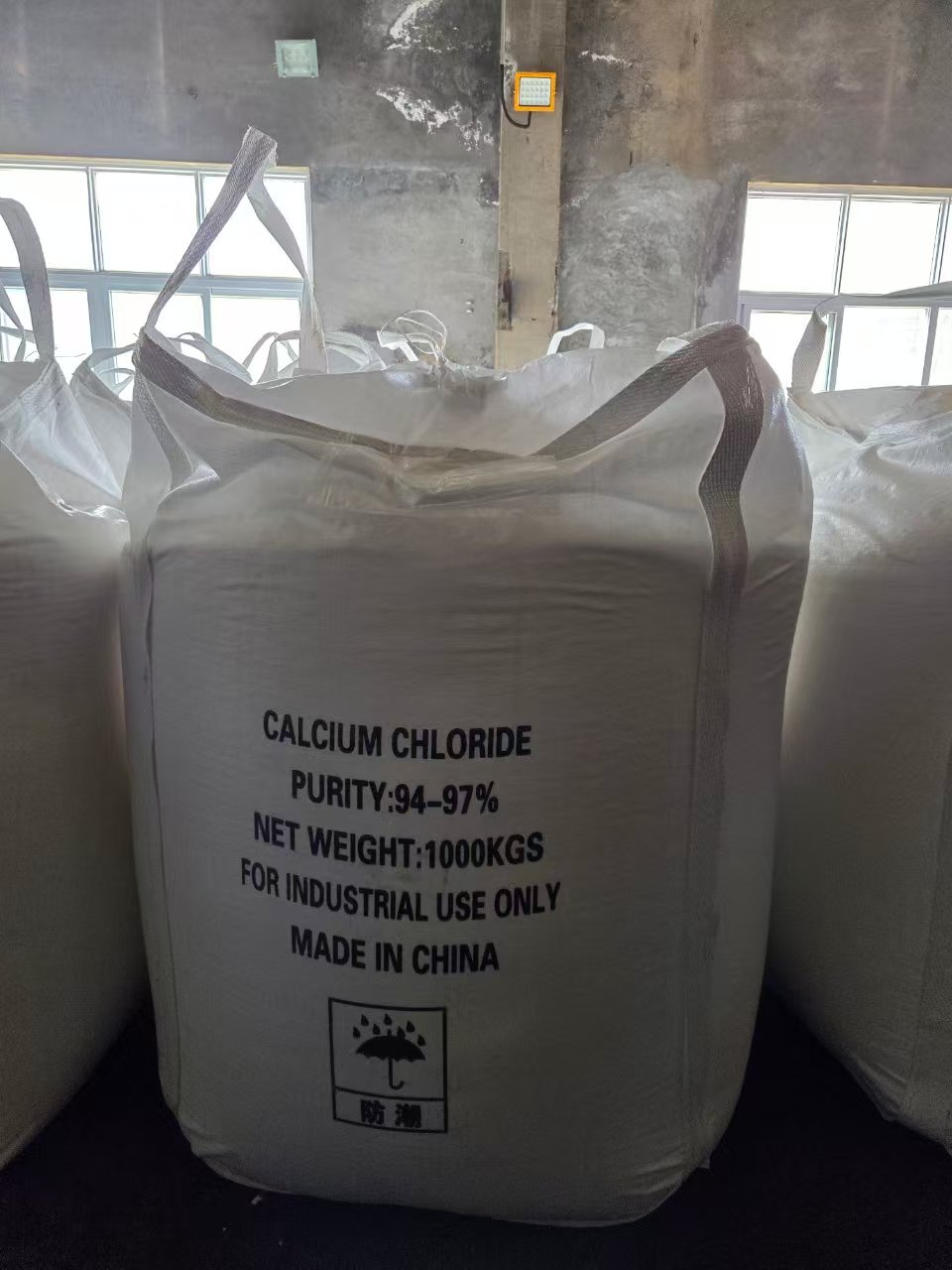
Proper pellet sizing does more than make a bag look uniform. A narrow size distribution keeps the spread pattern steady, whether the material is being scattered by hand, dropped through a spreader, or metered by an auger. When most pellets fall within a tight diameter range, they leave the hopper at a predictable rate and land without creating dense pockets or bare strips. That consistency is what turns a nominal application rate into actual, even coverage across the target surface.
Clumping usually starts with fines and undersized particles. Once moisture or slight compaction is introduced, these small fragments bind together and form hard lumps that block flows or create wet, overloaded spots. Larger, uniformly sized pellets reduce the number of contact points where fines can collect, and their lower surface-to-volume ratio slows moisture absorption. Testing different sieve cuts often shows that removing the bottom 10–15% of fines has a greater impact on flowability than increasing the average pellet diameter.
At the other end, pellets that are too large can roll or bounce on impact, leaving gaps between them. The sweet spot is usually a mid-range size that is heavy enough to settle where it lands but small enough to fill the surface without stacking. Operators who track coverage by grid sampling typically find that a consistent pellet diameter, not a higher application volume, is what eliminates both thin patches and clumped clusters.
Dust Control for Unpaved Roads That Actually Lasts Through Dry Spells
Most dust suppressants work fine until the weather turns dry — then they simply give up. The real test of a product is not how it performs after a rain shower but how it holds up during a weeks-long dry spell when traffic keeps grinding the surface into powder. If you have tried chlorides only to watch them wash out or evaporate, you know the frustration.
A lasting fix starts with the road itself. Before applying anything, grade and compact the surface so the material has a proper base to bond with. Then choose a product that actually changes the road's chemistry rather than just wetting it. Polymer emulsions and synthetic organic binders, for example, penetrate and bind fine particles together, creating a crust that resists both traffic abrasion and dry weather. Some of the better options also reduce water usage because they do not rely on constant moisture to stay effective.
Application timing matters more than most people think. Put the treatment down during a moderate dry period, not right before a storm, and give it time to cure. A second light pass a few days later can fill in areas where traffic has already broken the surface. Done this way, dust control can easily survive a month or more without rain — and save you from reapplying every two weeks.
Bulk Purchasing From Chinese Suppliers While Avoiding Common Quality Pitfalls
One of the fastest ways to lose money on a bulk order is to assume a sample guarantees the shipment. Chinese factories often treat pre-production samples as marketing tools rather than binding references. Always lock down precise specs in writing: exact material grades, gram weights, color tolerances, thread counts, voltage ratings, or whatever applies to your product. If a measurement can drift, the factory will often let it drift toward the cheapest option that still “looks similar.” Use a signed specification sheet plus an approved golden sample sealed and retained by both sides. Reference both in the purchase order so there is no room for the classic “we improved it for you” substitution after payment.
The inspection stage is where subtle defects hide until the container is already at sea. Many buyers only check a few cartons at random or rely on supplier-provided QC reports, which rarely highlight real problems. Hire an independent inspection agency to visit the factory before final payment is released. But don’t stop at a generic AQL 2.5 pass; define what a minor, major, and critical defect looks like for your specific item. For electronics, insist on functional testing of more than just the power-on sequence. For textiles, check seam strength and shrinkage, not just color. Clarify in advance who pays for rework or replacement if the failure rate crosses a set threshold. If the contract says “seller will fix quality issues” without numbers, you may end up with a 10% refund on an unusable batch.
Price pressure often triggers the worst quality traps. When you push a supplier to match an impossibly low target, they may quietly swap components, reduce packaging thickness, or shorten curing times to protect their margin. Instead of negotiating only on unit price, discuss cost drivers openly and find savings that don’t compromise function, such as simplifying the outer box or adjusting MOQ timing. Align payments with production milestones: deposit, after pre-production sample approval, after inspection, and a small retention until the goods arrive. This keeps leverage in your hands without making the factory feel cornered. A supplier who knows you will inspect and withhold payment on failure is far more likely to flag a raw material shortage early than to ship substandard goods and hope you won’t notice.
Application Methods for Sidewalks, Loading Docks, and Parking Garages
Sidewalks demand a method that keeps texture and slip resistance intact. Roll a thin, even coat with a medium-nap roller, then back-brush edges and expansion joints before the film skins over. For heavily textured or broom-finished concrete, switch to a stiff-bristle push broom or squeegee to work material into the low spots without burying the profile.
Loading docks take a beating from forklift traffic, pallet drops, and constant UV exposure. Use a notched squeegee to apply a high-build coating at 20–30 mils, then immediately back-roll with a lint-free roller to level out ridges and pop any trapped air. Keep a wet edge at control joints so the cured film won't tear under wheel loads.
Parking garages need a system rather than a single pass. Start with a broadcast or trowel-grade patch for spalls and cracks, then apply the base coat with a phenolic-core roller or airless sprayer in narrow, overlapping lanes. On sloped decks, work from low point to high point so excess material doesn't puddle at drains, and add a fine aggregate broadcast between coats if the floor will be exposed to rain or tire shine.
Long-Term Storage Solutions That Keep Your Stockpile Ready for Next Winter
If you're serious about keeping dry goods from one winter to the next, skip the original packaging. Mylar bags inside food-grade buckets with tight-fitting lids handle temperature swings far better than flimsy plastic bins. For grains, beans, and pasta, add oxygen absorbers before sealing, and toss in a desiccant pack for items prone to moisture. Vacuum sealing works well for smaller portions, but don't rely on it for anything with sharp edges that can puncture the bag.
Where you put the stockpile matters as much as how it's sealed. A cool, dark, dry spot—like an interior closet or basement shelf away from water heaters—slows spoilage without needing climate control. Rotate by using the oldest containers first, but don't fuss over exact dates; a quick visual check for rust, mold, or chewed packaging catches most problems. Label buckets with contents and month packed, not just the year, and keep an inventory list taped to the lid so you're not guessing in late January.
FAQ
It means the pellets contain 94% calcium chloride by weight, which gives them strong exothermic properties when they hit ice or snow. That heat release speeds up melting even at temperatures well below freezing.
Rock salt loses effectiveness around -9°C (15°F), but calcium chloride keeps working down to roughly -30°C (-22°F). It also melts ice faster per pound, so you need less material to treat the same area.
Yes. The hygroscopic nature of calcium chloride pulls moisture from the air, keeping road surfaces damp enough to bind fine dust particles. A single application can last through multiple dry weeks if traffic levels are moderate.
They're typically 2-4 mm in diameter, which is large enough to minimize wind drift during spreading and small enough to distribute evenly. The pellet form also reduces caking compared to flake or powder versions.
Keep them in a dry, covered area and reseal partially used bags tightly. Because calcium chloride absorbs moisture aggressively, leaving a bag open in humid conditions will quickly cause clumping or even liquefaction.
A light, even spread of about 150-250 grams per square meter works for most conditions. Start with the lower end on thin ice and increase only if the surface remains slick after 15-20 minutes.
All chloride-based deicers have some corrosiveness, but 94% calcium chloride pellets are generally less aggressive than sodium chloride when applied at recommended rates. Rinsing vehicles after heavy exposure and sealing concrete annually helps minimize long-term damage.
Conclusion
China Calcium Chloride 94% pellets have gained traction among municipal crews and facility managers who need reliable ice control without constant reapplication. Unlike standard rock salt or blended deicers that struggle on black ice, these high-purity pellets react quickly with trace moisture, generating heat that breaks the bond between ice and pavement even at temperatures where other products turn sluggish. The uniform pellet size matters more than most buyers realize: consistent granules spread evenly from hoppers and hand-held spreaders, preventing the clumping and patchy coverage that leave dangerous slick spots on sidewalks and loading docks. For unpaved roads, the same hygroscopic properties that melt ice also draw enough moisture to settle dust and keep it down through extended dry spells, reducing the need for repeated watering or oil-based suppressants.
When sourcing from Chinese manufacturers, the real challenge is not finding product but confirming it matches the claimed 94% purity and pellet integrity. Request a pre-shipment sample, ask for third-party assay reports, and clarify whether the quoted price includes anti-caking agents or if those are extra; many buyers overlook this and end up with product that hardens in storage. Application method also influences performance: for pedestrian areas, a light broadcast works better than heavy piles, while parking garages benefit from pre-wetting the pellets slightly to speed up brine formation and reduce tracking into buildings. Long-term storage is often the weak link, as calcium chloride attracts moisture aggressively. Keep stockpiles in sealed, heavy-duty bags or rigid bins off concrete floors, and rotate older material first so that next winter's first storm doesn't expose you to a solid block instead of free-flowing pellets.
Contact Us
Contact Person: Tom Cui
Email: [email protected]
Tel/WhatsApp: +8618663670626
Website: https://www.jinjigoldenchem.com