

Bulk Fluralaner Livestock Treatment Practical Guide for Herd Parasite Control
2026-09-07
Managing parasites across an entire herd isn't just about treating a few animals—it's about breaking the cycle before it costs you production. A practical, bulk-scale approach to fluralaner treatment can turn a recurring headache into a reliable routine, but only if you know how to dose, rotate, and monitor at the herd level. This guide cuts through the guesswork, drawing on field-tested protocols from Lucpets to help you design a control plan that actually holds up under real farm conditions. Whether you're battling resistant mites or stubborn ticks, what follows could change how you think about whole-herd parasite management.
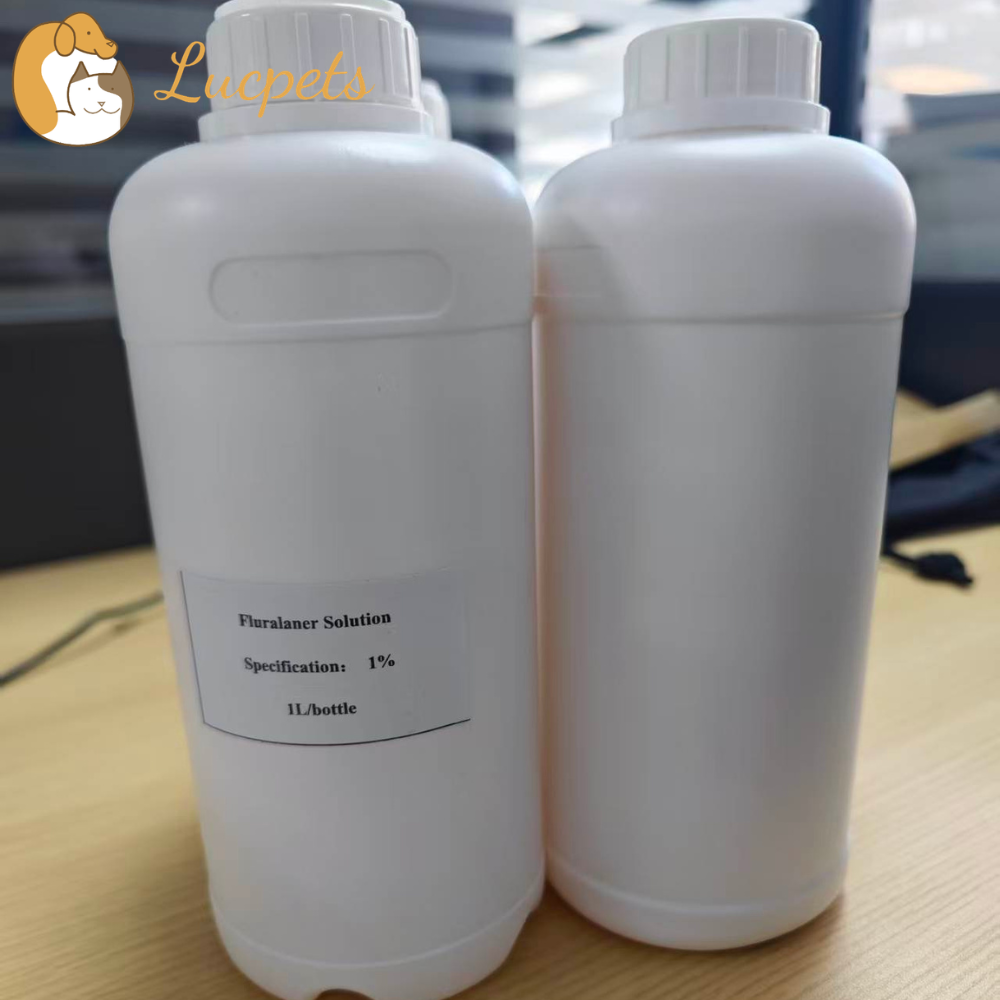
Mixing and measuring bulk fluralaner for accurate herd-wide dosing
Getting the dose right across a whole herd starts with knowing exactly how much active ingredient ends up in every milliliter of the final mix. Bulk fluralaner products come as concentrated solutions, and even small errors in dilution can add up to underdosed animals or wasted product when treating dozens or hundreds of cattle. We always weigh the concentrate on a calibrated scale rather than relying on the markings on a jug, then add it to a measured volume of clean water in a dedicated mixing tank. That way the math is straightforward: total milligrams of fluralaner divided by total final volume gives you the working concentration you can actually trust.
Once the solution is mixed, the next headache is getting it into each animal without leaving some short. Pour-on applicators and drench guns need to be checked against a graduated cylinder before the first dose, and rechecked halfway through the session because plungers wear and nozzles clog. For larger operations, we split the herd into groups that match the capacity of the mixing vessel and prepare one batch at a time. This avoids the temptation to top up a half-used bucket with fresh concentrate, which almost always throws off the concentration. It also helps to have one person responsible for mixing and another for application, so the person holding the applicator never guesses how much fluralaner they are actually delivering.
Record keeping is the unglamorous part that prevents future disasters. Write down the exact weight of concentrate used, the final volume of the mix, the batch number, and which animals received that batch. If a group shows signs of lice or mites a few weeks later, those notes let you trace whether the issue was resistance, a bad batch, or simply a measuring mistake. For herds that are moved through squeeze chutes quickly, pre-marking dose lines on the applicator for light, medium, and heavy animals speeds up the work while keeping the dose accurate. It takes a few extra minutes up front, but it beats treating the whole herd twice because the first pass was diluted by guesswork.
Why timing fluralaner applications around pasture rotation matters more than you think
Many producers treat fluralaner as a set-and-forget solution, but its real-world performance hinges on when the dose lands in the grazing cycle. If you apply right before moving cattle onto fresh pasture, the drug’s peak activity coincides with the sudden spike in tick and mite exposure that comes with lush regrowth. Move them first, then treat a few days later, and you leave a window where animals carry existing infestations into clean paddocks—seeding those pastures with parasites that will keep pressure high for weeks.
Rotation timing also changes how long the protection actually covers the herd. Fluralaner’s extended residual means a single application can span multiple rotations, but only if the initial dose lines up with the pasture’s most vulnerable phase. Treat too early in a long rest period and the tail end of that protection may fade just as animals return to a paddock with heavy larval buildup. Treat too late and the first week on new grass becomes a free-for-all for parasites before the drug reaches effective levels in the skin and blood.
The overlooked variable is refugia. When fluralaner applications are staggered against rotations rather than tied to a fixed calendar date, you reduce the number of untreated hosts moving through each paddock. That disrupts the parasite life cycle far more effectively than simply killing what’s already on the animal. Getting the timing wrong doesn’t just leave cattle exposed—it actively selects for faster-cycling parasite populations, making the next rotation harder to clean up.
Spotting early signs of parasite resistance before it spreads through your herd
Instead of waiting for a full-blown treatment failure, watch for those animals that bounce back slower after deworming. A calf or ewe that still has a rough coat, loose manure, or a potbellied look two to three weeks post-treatment may be carrying resistant worms. It won't be the whole group at first — often just a handful of individuals that never quite shed the parasite load.
Keep an eye on grazing patterns and feed efficiency. Resistant parasites don't always cause dramatic diarrhea; sometimes you'll notice poor weight gain despite adequate forage, or animals seeking out shorter, more contaminated pasture because they're too dull to compete for clean grazing. Compare body condition scores across the herd at regular intervals, not just when you suspect trouble.
Fecal egg count reduction tests remain the most reliable early warning, but you can spot clues before lab results. If you're increasing dose frequency or switching products more often just to maintain the same level of control, that's resistance creeping in. Also watch for "selective survivors": treated animals that shed eggs sooner than expected or require a second dose within the same season.
A no-nonsense field method for treating mixed herds without the guesswork
Treating a mixed herd usually starts with a lot of head-scratching. You’ve got calves, yearlings, and mature cows all bunched together, and everyone wants a different dose based on weight, age, and condition. Most producers end up eyeballing it, guessing weights, or just giving everyone the same amount and hoping for the best. That approach costs money, leaves animals underdosed, and drags out recovery times.
The no-nonsense method flips that on its head. First, run the herd through a simple chute and sort them into three weight classes using a set of portable scales or a weight tape—no fancy equipment needed. Mark each group with a different colored chalk stripe on the hip. Then use a laminated dose chart that lists the exact cc’s per weight class for each drug you’re using. No mental math, no second-guessing. Just match the color to the chart and draw the syringe.
After treating, keep the groups separate for 24 hours so you can watch for reactions and make sure nobody spits out a bolus or rubs off a pour-on. Record the group sizes and doses in a pocket notebook, not a spreadsheet you’ll never open again. This method takes the guesswork out of the chute, cuts waste, and gets animals back on feed faster. It’s boring, it’s repeatable, and it works every single time.
What to do when fluralaner alone isn't cutting it on high-pressure pastures
If fluralaner alone is no longer holding back parasites on high-pressure pastures, the first move is to stop guessing and start documenting. Many producers assume resistance when the real issue is underdosing, inconsistent application, or a missed window in the parasite life cycle. Pull fecal egg count reduction tests before and after treatment, and track body condition scores weekly. Without baseline data, any change you make is just a shot in the dark.
Once you have numbers, stacking a second mode of action often brings relief. Macrocyclic lactones or benzimidazoles can be rotated in, but only after checking which classes still work on your specific pasture. On truly high-pressure ground, consider moving treated animals to a lower-risk paddock for 48 hours post-drench, then returning them to a rested pasture. Strategic grazing—leaving a portion of the sward ungrazed for a full season—also dilutes larval numbers without adding more chemicals.
Don't overlook the animal itself. Stress from heat, poor water quality, or mineral gaps weakens natural immunity and makes any fluralaner program look weaker than it is. Boost trace mineral intake, especially copper and zinc, and cull the chronic poor-doers that shed the most eggs. Sometimes the fix isn't a stronger pour-on—it's a tighter herd and a cleaner rotation.
Keeping treatment records simple enough to actually use next season
The biggest mistake with treatment records is trying to capture everything. You end up with a form that takes longer to fill out than the actual spraying. Keep it to what you need next year: date, product, rate, and what you were treating. A quick note on weather helps too.
Choose a record-keeping method you already use. A notes app on your phone or a battered notebook in the tractor cab works better than a complicated software system you'll ignore by June. The goal is not perfect data; it's a reminder you can trust when the same pest shows up again.
At the end of the season, take ten minutes to flip through and add one line about what actually worked. That single comment next to each entry is worth more than a whole spreadsheet of unused columns.
FAQ
Fluralaner belongs to the isoxazoline class and disrupts nerve signaling in parasites by blocking chloride channels, leading to paralysis and death. It's mainly used against external parasites like ticks and mites on animals.
Yes, buying in bulk can cut costs and simplify dosing across many animals, but you need to group them by weight and avoid over- or under-dosing. Rotation with other drug classes is also wise to slow resistance development.
It targets a range of ectoparasites, including several tick species, mange mites, and some lice. Check the specific product label because efficacy can vary by parasite and formulation.
Dose is based on body weight, so you'll want to weigh representative animals or use weight tapes, then split the herd into weight bands. Always follow the label's milligram-per-kilogram guidance and consult a veterinarian if unsure.
Wear impermeable gloves and protective clothing, avoid breathing dust or spray, and wash hands after handling. Store the product securely away from food, feed, and water sources, and dispose of containers according to local rules.
Definitely. It works best as part of an integrated plan that includes pasture rotation, manure management, and monitoring parasite loads. Avoid using it simultaneously with other isoxazolines unless directed by a vet.
Withdrawal times differ by country and product, so there's no single answer. Always check the label for the specific days required for meat, milk, or other animal products, and keep treatment records.
Conclusion
Getting fluralaner dosing right across an entire herd starts with accurate mixing, because even a small miscalculation per animal compounds fast when you're treating dozens or hundreds. Many producers skip the calibration step and end up underdosing, which is exactly how resistant parasites get a foothold. The timing of application matters just as much as the dose: if you treat right before moving stock onto fresh pasture, you leave the old paddock loaded with larvae that will reinfect them within days. Watch for early warning signs like calves that don't gain weight despite adequate feed, or adult cows with persistent tail-switching and rough coats. Those subtle cues often spread through a herd before clinical anemia shows up.
For mixed herds with different weights and ages, a simple weight-band chart beats guesswork every time. Use a weigh tape or visual scoring split into three or four size classes, then mix a single batch per class rather than trying to dose each animal individually. On high-pressure pastures where fluralaner alone no longer holds parasite loads down, rotate to a different chemical class for one cycle and rest the paddock longer than usual. Keep records minimal but useful: date, group treated, dose used, and pasture moved from. A pocket notebook or phone photo of the board is enough to make next season's decisions ten times easier.
Contact Us
Contact Person: Aaron
Email: [email protected]
Tel/WhatsApp: +86 18177165140
Website: https://www.lucpetsglobal.com