

Best Voltage Changer: Ultimate Guide to Choosing the Right Converter
2026-08-06
Selecting the right voltage changer can feel overwhelming, but it's the key to keeping your electronics safe abroad. Whether you're a frequent traveler or setting up imported equipment at home, understanding converters matters. At Chang Song, we cut through the confusion, guiding you to a reliable choice that matches your needs. Let’s explore what truly counts before you plug in.
When Voltage Mismatch Strikes: What’s Really at Stake
Imagine plugging a cherished overseas lamp into a local socket, only to watch it flicker and die in seconds. That’s not just an inconvenience—it’s a direct hit to your wallet and peace of mind. Voltage mismatches can silently kill electronics, from kitchen gadgets to professional tools, often without a warning sign. The real cost goes beyond replacing the device; it’s the data lost, the missed deadlines, and the creeping doubt about every outlet you encounter.
Then there’s the hidden toll on performance. A motor rated for 220V will sputter at 110V, running slower and overheating, while a 110V appliance fed twice its expected voltage can become a fire hazard. This isn’t just theory—I’ve seen compressors seize up and chargers melt down. What’s at stake is reliability: a crucial fan that stops cooling on a hot day, or a fridge that quietly warms up, spoiling everything inside.
Beyond the physical damage, consider the irritation of being caught off guard. You might be in the middle of a project, relying on a tool that suddenly quits, leaving you scrambling for alternatives. Or you’re traveling, counting on your trusted hairdryer or laptop adapter, only to find it’s useless at the destination. The frustration of juggling converters and checking labels every time can overshadow the simple joy of using a well-made device. Ultimately, a voltage mismatch isn’t just a technical slip-up—it’s a disruption that ripples through daily life, time, and comfort.
Mapping Your Power Needs Before Buying a Converter
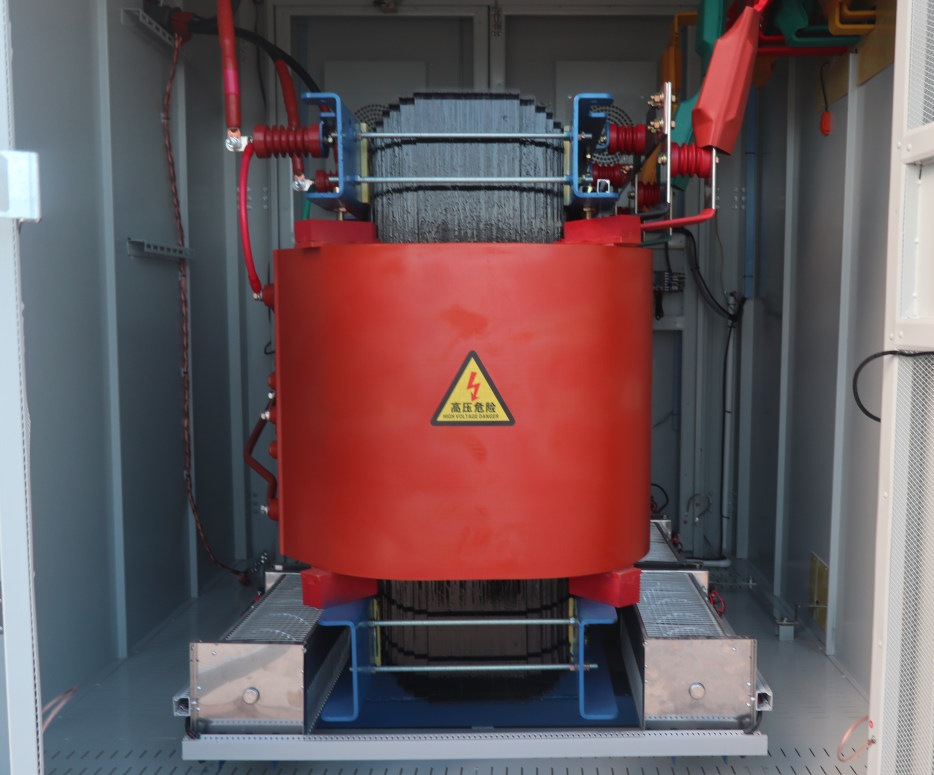
Before you even look at a converter, take stock of what you actually plan to power. Many people assume their total wattage needs are just the sum of the labels on their devices, but that’s rarely accurate. Start by listing each piece of equipment you’ll run simultaneously, noting both its running watts and any surge or startup wattage. A fridge, for example, might draw 700 watts while running but spike to over 2,000 when the compressor kicks in. Ignoring that spike can trip your converter or even damage sensitive electronics.
Once you have your list, think about how you’ll use these devices in real life. Will you run everything at once, or stagger usage throughout the day? Maybe your blender and microwave won’t be on at the same time, but your laptop and lights always are. Grouping your loads into “always-on” and “occasional” categories helps you size the converter realistically without overbuying. Don’t forget to account for future additions—it’s cheaper to leave some breathing room now than to upgrade later.
Finally, factor in the quirks of your environment. If you’re at high altitude or in extreme temperatures, converter efficiency can drop noticeably, meaning you may need a higher-rated unit to get the same output. Battery chemistry matters too: lithium handles surge loads better than lead-acid, so your converter’s surge rating might need to be more generous if you’re using older battery tech. Mapping all this out on paper—or a simple spreadsheet—turns what feels like guesswork into a clear, stress-free decision.
The Silent Specs That Trip Up Most Shoppers
We all obsess over megapixels, screen size, and processor speed, but the real headaches often come from the specs nobody talks about. Ever bought a laptop that overheated the moment you opened ten browser tabs? That’s a thermal design problem—a silent spec manufacturers rarely tout. Or picked up a smartphone with gorgeous display marketing, only to find it’s unreadable in direct sunlight? Peak brightness in nits is rarely front and center, yet it can make or break daily use. These quiet numbers don’t sell devices, but ignoring them can leave you with buyer’s remorse.
Wireless connectivity is another minefield. A device may boast the latest Wi-Fi standard, but if it has a poorly placed antenna or lacks MIMO support, your signal will drop just when you need it. Bluetooth version mismatches can cause infuriating audio lag during video calls—something no spec sheet highlights with a warning icon. Even USB ports have their silent betrayals: two identical-looking Type-C ports might have wildly different data transfer speeds, charging capabilities, and display support. The small-print details like “USB 3.2 Gen 1” versus “Gen 2” are exactly where budget-minded shoppers get tripped up.
Battery life ratings are perhaps the most deceptive of all. A tablet promising “up to 10 hours” might last only six if you dare to use a third-party app or keep the brightness above 50%. The fine print always mentions “mixed usage” in lab conditions, but real-world scenarios involve background syncing, GPS, and push notifications—all of which drain juice silently. Then there’s the longevity question: how many charge cycles before the battery degrades to 80% capacity? Almost nobody advertises that, yet it determines if your device becomes a paperweight after two years. Reading professional teardowns and user forums for these hidden figures is the only way to avoid the tripwires.
Why Your Gadget’s Wattage Tells a Different Story
The wattage printed on your device’s label is just the beginning of a much more nuanced story. It represents the maximum power draw under ideal factory conditions, but real-world usage rarely mirrors those pristine lab scenarios. Think of it like your car’s top speed—your daily commute is defined by traffic lights, not the number on the odometer’s limit. Similarly, your gadget sips energy in standby, gulps it during heavy tasks, and sometimes even draws more than its rating when kicking off. That sticker is a snapshot, not the full film.
Environmental factors further twist the tale. Temperature, for instance, can make components run less efficiently, forcing them to pull more current to compensate. An aging battery might push a charger to work harder, deviating entirely from the specs. The wattage you measure at the wall—using a simple plug-in meter—often fluctuates wildly throughout the day, revealing a dynamic dance that a static number can’t capture. It’s this hidden ebb and flow that determines your electricity bill, not the bold digits on the box.
Even within seemingly identical tasks, variations abound. Streaming a video might appear light, but background updates, screen brightness, and network conditions can turn it into a power-intensive affair. Manufacturers test in controlled setups, but your reality is messy and unpredictable. So next time you glance at that wattage figure, remember it’s merely a guideline—a promise written in a laboratory that life rarely keeps. The true story is told only when you plug it in and watch.
Travel-Friendly vs. Heavy-Duty: Picking Your Path
When you're always on the move, every ounce counts. A sleek, lightweight garment that folds down to nothing and shrugs off wrinkles is worth its weight in gold. It might not survive a bushwhacking adventure, but it'll sail through airport terminals and pack neatly into a carry-on without a fuss.
On the flip side, if your journeys are more about conquering rough trails or enduring unpredictable weather, toughness takes the lead. Reinforced stitching, abrasion-resistant fabrics, and burly zippers become non-negotiable. These pieces might hog space and tip the scales, but when a sudden downpour hits or rocks scrape against your gear, you'll be grateful for the extra heft.
The trick is being honest about what you'll actually encounter. A road trip with occasional walks calls for different armor than a multi-day trek in the backcountry. Think about the most demanding moment of your trip, not the everyday ease, and let that guide your choice. Sometimes the smartest move is a hybrid approach: a sturdy shell that's still packable, or versatile mid-layers that split the difference.
Installation Pitfalls Even Pros Overlook
Even seasoned installers can trip over the basics. One common oversight is ignoring the manufacturer’s torque specs for fasteners. It’s tempting to rely on feel, but over-tightening can strip threads or warp components, while under-tightening leads to rattles and premature failure. Always use a calibrated torque wrench and double-check values for each bolt size.
Another blind spot is mounting orientation. Products designed for vertical use may leak or stress internally if laid flat. Check diagrams carefully — a rotated valve or pump can trap air or starve for lubrication. This is especially critical with rotary equipment and sealed bearings, where gravity-fed oil paths are assumed.
Finally, overlooking ambient conditions during installation can ruin performance. Temperature extremes affect adhesives, sealants, and elastomers. Installing in direct sunlight or below dew point can introduce condensation or inhibit curing. A quick field adjustment — like shading the work area or warming components — often prevents latent failures that are hard to diagnose once the system is buttoned up.
FAQ
A voltage changer converts the electrical voltage from the wall outlet to match what your device expects. You need one whenever you're traveling with electronics that are not dual voltage and the destination country uses a different voltage. For example, if you're from the US (110-120V) and going to Europe (220-240V), a simple plug adapter isn't enough for your single-voltage hair dryer.
Check the wattage rating on your device's label or power brick. It's usually listed in watts (W) or amps (A). If it's in amps, multiply the amps by the voltage to get watts (e.g., 2A × 120V = 240W). Always choose a converter rated at least 25% higher than your device's wattage to handle power surges, especially for motorized or heating appliances.
A step-down transformer lowers voltage, like using a 220V appliance in a 110V country. A step-up transformer raises voltage, such as using a 110V device in a 220V country. Many modern travel converters do both automatically, but heavier-duty transformers are often dedicated to one direction.
Yes, but be careful. Heating appliances draw a lot of power, so you'll need a converter with enough wattage. Many travel hair dryers are 1500-1875W, which exceeds the limit of compact travel converters. For those, you might need a dedicated heavy-duty transformer or simply buy a dual-voltage hair dryer instead.
Technically you can, but it's risky. The converter has a maximum wattage, and adding multiple devices can easily exceed that, causing overheating or failure. If you do, calculate the total wattage of everything plugged in and make sure it's well below the converter's limit. It's safer to charge one high-power device at a time.
Not all. Small electronic devices like phone chargers and laptops often only need a tiny, lightweight converter or may even be dual voltage. The heavy ones are for high-wattage appliances. For short trips with just a few gadgets, look for compact travel converters that weigh under a pound.
No. Dual voltage devices (marked something like 'Input: 100-240V') can automatically handle both 110V and 220V systems. You just need a plug adapter to fit the foreign outlet. Check your device's label first—many modern electronics like smartphones and camera chargers are dual voltage.
Conclusion
Choosing the right voltage changer isn’t just about plugging in—it’s about safeguarding your devices from irreversible damage. When voltage mismatch strikes, the wrong converter can fry sensitive electronics or leave high-power appliances sputtering. Start by mapping your power needs: look beyond plug types and focus on the wattage your gear actually draws. That silent spec—continuous versus peak wattage—trips up most shoppers because a gadget’s startup surge often exceeds its labeled rating. Pairing an under-rated converter with a hairdryer or power tool is a recipe for meltdown, making it crucial to calculate total load with a safety margin.
The divide between travel-friendly and heavy-duty options is more than size and weight; it’s about how you use them. A compact adapter might handle a laptop abroad, but it can’t sustain a kitchen appliance or medical device without overheating. Installation pitfalls lurk even for pros—poor ventilation, coiled cables, and ignoring duty cycles silently degrade performance or trigger faults. The real insight is that a converter’s limiting factor isn’t just its max rating, but how it copes with real-world demand. By matching continuous and surge wattage to your devices and respecting cooling needs, you secure a setup that runs reliably rather than one that simply fits the socket.
Contact Us
Contact Person: Tonglun Chen
Email: [email protected]
Tel/WhatsApp: 8618906642555
Website: https://www.cncsele.com