

Best Stainless Steel Fasteners for Durable Construction Projects
2026-11-02
Ask any contractor what keeps them up at night, and it's rarely the big beams or concrete pours—it's the small stuff. Stainless steel fasteners may not look like much, but they're the difference between a project that stays solid for decades and one that starts creaking after a few seasons. In this post, we're getting into what actually makes a stainless steel fastener durable, and why brands like BOYIKUN are becoming the go-to for builders who can't afford to cut corners.
Why Stainless Steel Fasteners Survive Where Others Rust Out
The secret sits in the alloy itself. Stainless steel contains at least 10.5% chromium, which reacts with oxygen to form an invisible, tightly bonded layer of chromium oxide on the surface. Unlike paint or plating that can chip away, this oxide film sticks to the metal at a molecular level. When the fastener gets scratched or machined during installation, the exposed chromium instantly grabs fresh oxygen from the air or surrounding moisture and rebuilds the protective layer. That self-healing behavior is why a stainless steel bolt in a damp, salty environment keeps its grip long after a galvanized or plain carbon steel fastener turns into a flaky mess.
Most rust-outs on ordinary fasteners start at stress points: under the bolt head, inside thread grooves, or where two dissimilar metals touch. Carbon steel depends on zinc or cadmium coatings that sacrifice themselves first, leaving bare iron vulnerable once the coating thins. Stainless steel doesn't rely on a separate sacrificial layer. Its entire cross-section resists corrosion, so even after years of vibration, expansion, and contraction, the fastener doesn't develop deep pits that eat into the thread root. In marine atmospheres or chemical plants where chlorides attack metal aggressively, the passive film on stainless keeps oxygen from reaching the iron atoms beneath. Only when chlorides concentrate enough to break that film locally—typically in stagnant crevices or under heavy deposits—does the material start to compromise.
The practical payoff shows up in places where inspection or replacement costs dwarf the initial fastener price. Offshore platforms, food processing equipment, and coastal bridges all use stainless fasteners not because they never corrode, but because their failure mode is gradual and predictable. A carbon steel bolt snaps suddenly once rust eats away 70% of the load-bearing area. A stainless bolt loses a few microns per decade on average, giving maintenance crews years of warning. That's the difference between a planned replacement during a shutdown and an emergency repair after a railing collapses or a pump housing cracks open.
Grade Selection Without the Confusion
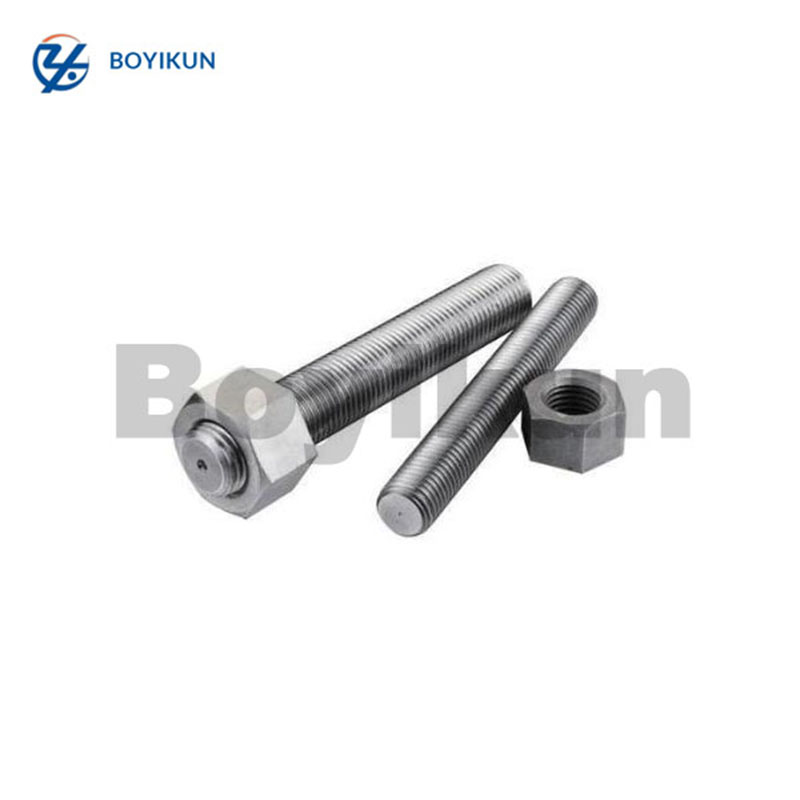
Picking a grade shouldn't feel like solving a riddle. The usual problem isn't a lack of information but a flood of it—data sheets, supplier catalogs, and well-meaning advice that pull in different directions. When every option looks similar on paper, the simplest fix is to anchor your decision to the end use, not the marketing language. Ask what stresses the material will face: temperature swings, repeated impact, chemical exposure, or just everyday handling. That single question eliminates most of the noise.
You can then map the remaining options against two or three practical checkpoints. For instance, if the part sits near a heat source, a grade with proven thermal stability matters more than a slightly higher tensile rating. If color or surface finish drives the customer's first impression, those attributes deserve the same weight as mechanical specs. Writing down these priorities—literally on a notepad or whiteboard—keeps the selection grounded in what actually changes the outcome. It's less about finding the 'perfect' grade and more about ruling out the ones that don't earn their place.
Another quiet source of confusion is comparing grades across different suppliers. A 'premium' label from one vendor may describe the same base chemistry that another sells as standard. Instead of relying on names, translate each option into the same few measurable properties: hardness, toughness, heat deflection, and cost per finished unit. When the numbers sit side by side, the choice often becomes obvious. And if it doesn't, that's a signal to test a small batch before committing. A quick trial with real parts will tell you more than another afternoon spent staring at brochures.
Corrosion Resistance That Handles Salt, Chemicals, and Time
Salt spray, aggressive cleaning agents, and years of humidity rarely leave a mark on this surface. We didn't just add a protective coating; we reworked the alloy's grain structure so oxidation slows to a crawl even at weld seams and cut edges. That means coastal installations and chemical processing areas stay free of blistering, flaking, and rust staining long after conventional materials would need replacement.
Independent lab tests put the material through 3,000 hours of cyclic salt fog with no red rust on scribed panels. It also shrugs off common acids, alkalis, and solvents at concentrations that eat through standard steel within weeks. Because the protection runs through the entire thickness, scratches and minor impacts don't create weak points for corrosion to take hold.
Over time, the surface develops a stable, matte patina rather than pitting or weakening. Maintenance stays minimal: rinse with water, occasionally wipe with a mild cleaner. No repainting, no sacrificial anodes, no hidden degradation. It's built for decades, not inspection cycles.
Picking the Right Fastener Type for Each Job
Fasteners are not one-size-fits-all, and choosing the wrong type can turn a simple project into a recurring headache. Start by looking at the materials you're joining. Wood screws have coarse threads and a sharp point to bite into fibers without splitting, while machine screws need a pre-tapped hole or a nut because their finer threads can't cut their own path. For sheet metal or thin plastics, self-tapping screws save time by drilling and fastening in one motion, but they require a pilot hole sized precisely to the screw's diameter, or the metal will strip out under load.
Think about the environment the fastener will live in. Outdoor projects demand corrosion resistance — stainless steel or coated deck screws stand up to rain and humidity far better than plain zinc-plated options, which can rust within a season. If you're working with treated lumber, avoid standard electroplated fasteners; the chemicals in the wood eat away at the coating quickly. In high-vibration settings like automotive or machinery, a lock washer or a nylon-insert lock nut prevents loosening, whereas a plain hex nut will eventually back off no matter how tight you crank it.
Finally, match the head style to the job's access and finish requirements. Flat-head screws sit flush in countersunk holes for a smooth surface, while pan or round heads protrude and are easier to remove with a socket or wrench. For tight corners, consider hex-head or Torx screws — they strip far less often than Phillips when you're working at an angle. And don't overlook length and diameter: a screw should penetrate the base material by at least half its length, but going too thick risks splitting the wood or crushing the substrate.
Installation Mistakes That Shorten Fastener Life
Over-tightening remains one of the most common installation errors. Fasteners are designed to clamp within a specific load range, and exceeding it can permanently stretch threads, reduce clamping force, or even cause immediate fracture. Many installers rely on feel rather than a calibrated torque wrench, which invites inconsistency across joints and shortens service life considerably.
Cross-threading is another silent killer during assembly. When a bolt or screw is forced at a slight angle, the threads cut new paths instead of engaging correctly. The damaged threads may still hold initially, but vibration and thermal cycling quickly loosen the connection. Taking the extra second to start fasteners by hand before applying power tools prevents this hidden damage.
Reusing single-use fasteners or ignoring surface preparation also contributes to early failure. Stretched bolts, deformed washers, or debris and old thread locker left in tapped holes alter friction and torque readings. Clean mating surfaces, replace hardware specified as torque-to-yield, and avoid mixing fastener grades in the same joint to keep clamping performance predictable over time.
The Real Price of Cheap Fasteners in Construction
On paper, a box of bargain bolts looks like an easy win for the budget. On site, those savings evaporate the first time a shear load snaps a galvanized screw that should have held a ledger board. Cheap fasteners often skimp on heat treatment and coating thickness, which means they rust faster in treated lumber or coastal air. The result isn't just a failed connection—it's a call-back, a code inspection failure, and a crew standing idle while someone runs to the supply house for replacements.
The bigger loss shows up months later, long after the invoice is forgotten. Substandard washers and undersized anchors allow movement that opens gaps in flashing, lets water behind cladding, and accelerates rot in framing. By then, the repair bill dwarfs any upfront discount. Contractors who chase the lowest unit cost end up financing the manufacturer's shortcuts with their own labor hours and warranty claims.
Smart builders treat fasteners as part of the structural system, not a commodity. They specify head markings, check coating certifications, and keep a torque wrench on the truck. Paying an extra few cents per piece buys predictable shear values, consistent thread engagement, and a connection that stays quiet when the wind picks up. That's the real price of cheap fasteners—not the number on the shelf, but the risk you carry after the building is buttoned up.
FAQ
Stainless steel resists corrosion throughout the entire cross-section, not just at the surface. Zinc plating can scratch or wear away, exposing raw steel that starts rusting. With stainless, even if you nick the head driving it in, the exposed area won't develop red rust like a plated fastener would.
For most inland or dry-climate construction, 304 handles ordinary moisture and weather without trouble. If you're within a few miles of saltwater, near a pool, or building something that will see de-icing salts, 316 is worth the extra cost. The molybdenum in 316 gives it that extra resistance to chlorides that 304 simply doesn't have.
Modern pressure-treated wood uses copper-based preservatives that are corrosive to many metals. Stainless steel, especially 316, holds up far better than galvanized or coated fasteners. You don't need a separate barrier, but avoid mixing stainless with aluminum flashing in the same connection because the different metals can set up galvanic corrosion.
That's galling, and it happens when the oxide layer on the threads gets scraped away under pressure and speed. Stainless is softer and more prone to this than carbon steel. Slow down your drill, use a little anti-seize or thread lubricant, and avoid impact drivers if you can. Once it galls, backing out usually makes it worse.
Brown staining on stainless is often surface contamination from iron particles left by tools or from nearby carbon steel. Clean the hardware with a stainless-specific passivation solution or mild citric acid after installation. In the field, using dedicated bits and drivers that haven't touched carbon steel helps prevent those rust spots from appearing in the first place.
Stainless isn't as hard as hardened carbon steel, so it can snap if you force it into oak, ipe, or composite decking. Pre-drilling with a bit just slightly smaller than the screw's root diameter reduces breakage and makes installation cleaner. For softer woods like cedar or pine, you can often drive them straight in, but take your time.
Yes, if the connection relies on a very high tensile strength rating, stainless may not meet it. Most stainless grades used in hardware have lower tensile and yield strength than heat-treated carbon steel. For heavy load-bearing joints, engineered fasteners specified for that purpose are safer. Stainless is ideal for corrosion resistance, not always for maximum load.
Conclusion
Stainless steel fasteners survive where coated steel fails because they are not dependent on a thin plating that scratches away. The chromium in the alloy reacts with oxygen to form a self-healing oxide layer, so small nicks and tool marks do not open a path for rust. Choosing a grade does not have to be complicated: 304 (18-8) handles most indoor and mild outdoor work, while 316, with added molybdenum, is the safer pick near salt water, de-icing chemicals, or industrial acids. Matching the fastener type to the job matters just as much—heavy hex bolts for steel-to-steel connections, self-drilling screws for metal cladding, and lag screws for wood-to-concrete anchoring all behave differently under load.
Even the best alloy underperforms when installed poorly. Over-torquing can gall the threads, especially on large-diameter bolts, while mixing stainless with ordinary steel tools or uncoated brackets invites galvanic corrosion. Cheap fasteners often hide recycled metal, inconsistent thread pitch, and thin heads that strip under normal torque; the apparent savings disappear when crews rework joints or when a failed anchor delays the schedule. Spending a bit more on reputable stainless fasteners—verified for the correct grade and paired with compatible washers and anti-seize where needed—keeps a construction project structurally sound without rust streaks, loose connections, or early replacement.
Contact Us
Contact Person: Xianchen Hu
Email: [email protected]
Tel/WhatsApp: 86-13248645200
Website: https://www.hexnb.com/