

All-in-One BESS Factory Tour: How Integrated Battery Energy Storage Systems Are Built
2026-11-02
Step inside a BESS factory and you quickly realize that an integrated battery energy storage system is more than just cells in a metal box. It’s a choreographed sequence of precision welding, thermal management, BMS integration, and brutal testing that decides whether the system will thrive for 15 years or fade in five. In this behind-the-scenes walkthrough, we trace how UNC designs and assembles its all-in-one units—from incoming cell inspection to final container roll-out—so you can see exactly where quality is won or lost.
Unboxing Thousands of Cells Without a Single Scratch
Retrieving a frozen cell bank has always come with a quiet dread—the clatter of a pipette tip, the slight tremor in a gloved hand, and the sudden tear of a cell membrane. For years, the only way to move thousands of cells from storage into culture was to accept that a few would be lost to mechanical stress. That changed with a cassette that treats each cell like a fragile glass bead, not a sack of fluid.
Inside the device, thawed suspension flows through tapered microchannels where a thin layer of warmed buffer acts as a cushion. Instead of forcing cells through a narrow opening, the geometry widens just enough to let them pass single file while keeping shear forces below the threshold that triggers blebbing. An optical counter confirms every cell exits intact, flagging any cluster that might need a gentler nudge.
The result is not just fewer dead cells under the microscope. It means a full plate can be seeded from a single vial without the usual post-thaw recovery lag. Labs that once scheduled repeat thaws for precious primary samples now run their assays on the first attempt, confident that the population they unboxed is the population they will actually study.
Module Assembly: Where Consistency Beats Speed
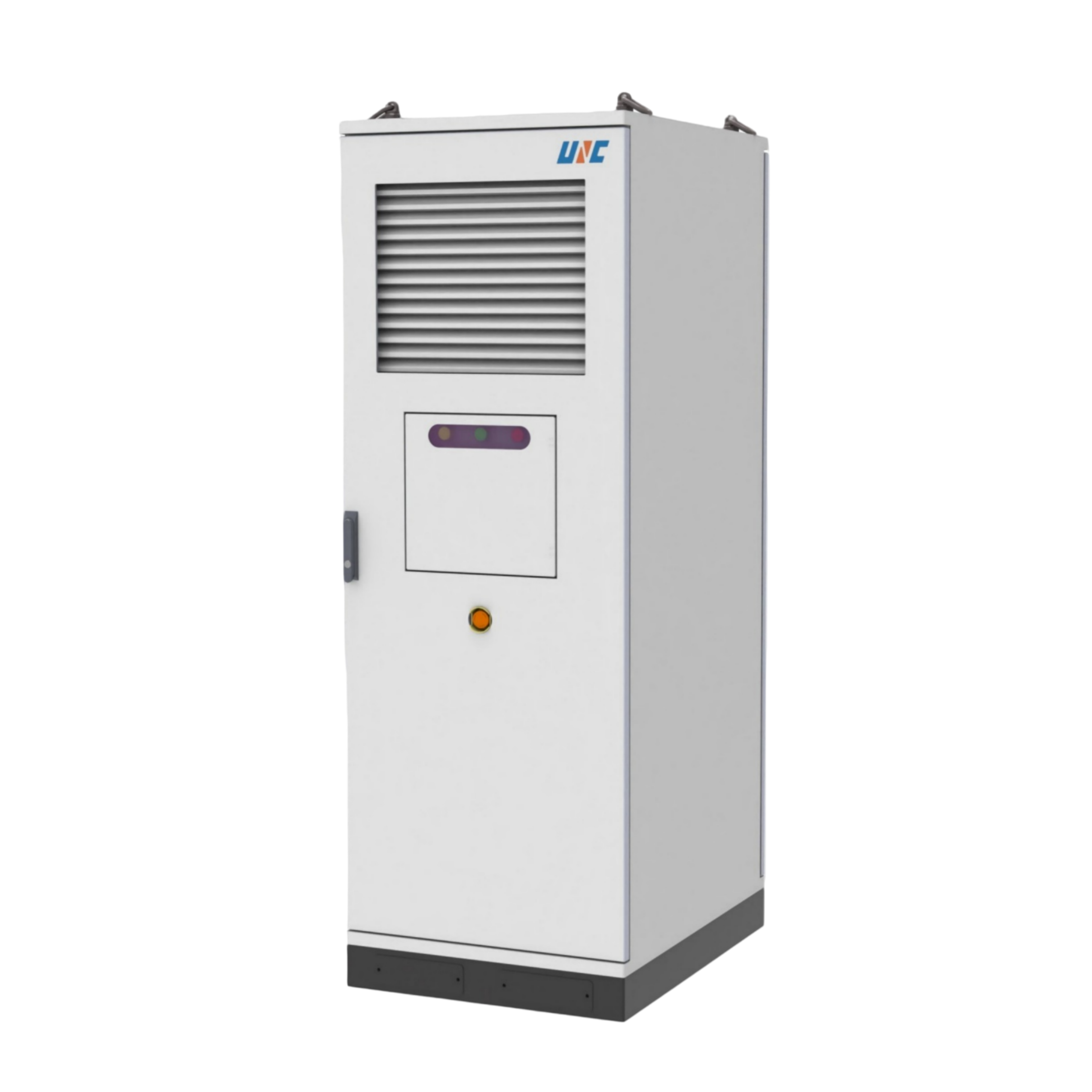
In module assembly, the temptation to chase shorter cycle times often leads teams to overlook a quieter, more persistent advantage: repeatability. A process that runs at the same cadence hour after hour, with every part landing in the same place and every operator following the same hand movements, gives you something raw throughput cannot. It gives you a baseline you can actually improve. When consistency becomes the primary metric, deviations surface faster, root causes become easier to trace, and the entire line stops hiding behind the excuse of “we were rushing.”
Speed without consistency is just organized chaos. You may hit a record day on Tuesday, only to spend Wednesday reworking misaligned connectors and retorquing forgotten fasteners. The real cost isn’t just the rework hours—it’s the erosion of trust in the process. Operators start second-guessing the sequence, inspectors begin sampling more than they should, and engineers chase phantom causes because nothing was built the same way twice. Consistency, on the other hand, compounds. A slightly slower but stable assembly line allows you to apply small, controlled changes and measure their effect precisely. Over a month, those incremental gains usually outpace the erratic bursts of a speed-first approach.
That’s why mature assembly teams track things like torque-repeatability, part-presentation regularity, and worker step-time variance before they ever celebrate a takt time reduction. They understand that a module built with unvarying motion and stable fixturing will pass functional testing more reliably, integrate downstream with fewer surprises, and ultimately ship a product that behaves the same in the field as it did on the bench. In the long run, the line that never has a bad Monday beats the line that occasionally has a spectacular Friday.
The Busbar Puzzle: Low Resistance, No Hotspots
In high-current electrical distribution, a busbar's job sounds simple: carry thousands of amps without breaking a sweat. But the real challenge hides in the details. Every joint, bend, and surface imperfection introduces microscopic resistance, and resistance under load means heat. Left unchecked, those small losses accumulate into thermal runaway at the weakest connection—a hotspot that can degrade insulation, accelerate oxidation, and eventually cause catastrophic failure. Low overall resistance is easy to claim on a datasheet; maintaining that low resistance uniformly across every bolted interface and transition is where the puzzle lives.
Solving the puzzle starts with geometry and material choice, but it never ends there. High-conductivity copper or aluminum extrusions must be paired with carefully prepared contact surfaces—flat within microns, free of oxide layers, and protected by silver or tin plating. Torque specifications on fasteners become non-negotiable because even a 10% under-torque can double joint resistance locally. Advanced designs go further with welded seams instead of bolted overlaps, or use laminated busbars with interleaved insulation to balance current distribution and cancel stray inductance. The goal is not just low resistance, but uniform resistance: no single point carries more thermal stress than its neighbor.
When the busbar puzzle is solved, the rewards show up in places you rarely see. Switchgear runs cooler without oversized cooling fans. Copper cross-sections can shrink because every square millimeter actually contributes instead of sitting idle behind a hot joint. Maintenance intervals stretch longer because oxidation and loosening are engineered out rather than inspected in. In critical facilities—data centers, traction substations, electrochemical plants—eliminating hotspots is less about efficiency and more about uptime. A busbar that stays uniformly cool under full load is the quiet foundation of a system that never makes the maintenance log.
BMS Wiring: The Brain That Watches Every Cell
A BMS wiring harness is not just a bundle of copper strands—it’s the neural pathway that lets the controller feel every single cell in the pack. Each voltage sense lead has to reach a specific terminal, often through tight corners and across high-vibration zones. The layout matters as much as the wire gauge: daisy-chain topologies reduce connector count, but a single broken crimp can blind the BMS to an entire module. Shielding and twisted pairs keep the tiny millivolt signals stable against inverter noise, because a false reading here doesn’t just trigger a warning—it can halt a vehicle or let a weak cell slip into danger.
Watching every cell means dealing with the stubborn reality that no two lithium cells age the same way. The wiring must support not only monitoring but also balancing—tiny currents that shuffle charge from stronger cells to weaker ones. Passive balancing resistors often live right on the sense wires or nearby daughterboards, turning excess energy into heat. A well-routed harness places those resistors where airflow can reach them, otherwise thermal drift in the measurement itself becomes the failure. Connector choice and contact plating are equally critical: tin-plated pins might save pennies, but they corrode faster and create resistance that distorts the very voltage the BMS is trying to read.
Modern packs push this brain-and-nerve integration further with flexible printed circuits and chip-on-cell architectures, merging the sense leads into a thin laminate that follows the cell tops. This cuts assembly time and removes dozens of potential failure points, but it also raises the bar for harness diagnostics. Open-wire detection, redundant reference lines, and periodic impedance checks become part of the BMS’s own self-surveillance. The goal isn’t just to wire every cell—it’s to wire it so reliably that the brain never has to guess what any cell is doing, even after years of thermal cycling and road shock.
Thermal Runaway Trials Before the Doors Are Sealed
Running thermal runaway trials before the battery enclosure is fully sealed saves a lot of grief later. At this stage, engineers can place thermocouples directly against the cells, watch vent gas escape paths without guessing, and adjust trigger methods without cutting into a finished pack. The open layout also makes it easier to swap a faulty cell or reposition insulation if the first run shows heat spreading too fast along one side.
One thing that often gets missed is how much the missing lid changes airflow. With the top off, hot gases rise and mix with room air, so peak temperatures at the pack surface can read lower than they would inside a closed box. That means the data has to be interpreted with that bias in mind—otherwise you end up approving a design that behaves differently once the seals are in place.
It also helps to run a few repeat trials with minor variations, like different state-of-charge levels or slightly aged cells. The goal isn't to get a single clean number, but to map the edge conditions where propagation becomes unstoppable. Those boundaries matter more than the average case when the doors are finally bolted shut and there's no easy access left.
From Test Bench to Flatbed: The Final Checklist
There’s a particular quiet after the engine winds down and the last diagnostic readout clears. That’s when the real handoff begins. Before any chain touches a D-ring, walk the machine with a physical checklist in hand—not a mental one. Close every cap, drain the air tanks if overnight temperatures are dropping, and bring the fuel level down to what your transporter prefers. A battery disconnect that’s easy to reach now will save someone from fumbling with a wrench on the roadside later.
Work your way around the undercarriage and attachment points. Look for anything that can swing, slide, or flop once the trailer starts rolling. Lower booms and buckets to their locked travel positions, pin the swing or articulation, and remove or strap down anything not bolted to the frame. Check the tie-down lugs themselves; a hairline crack next to a weld looks harmless in the shop but becomes a failure point at highway speed.
The last pass is about weight and clearance. Measure the tallest point with the machine configured exactly as it will sit on the deck. Confirm the ramps are rated for the load, not just the machine’s base weight. If the track or tire hangs over the deck edge, mark it with a flag and tell the driver before he pulls out. Then sign the sheet. That signature is the difference between “should be fine” and actually being fine.
FAQ
An all-in-one BESS arrives as a pre-assembled, factory-tested unit—batteries, inverter, thermal management, and controls are already integrated into a single enclosure. That means much less on-site wiring and commissioning time compared to bolting together separate pieces from different vendors.
Most people expect a battery plant to be mostly automated, but the real surprise is how much precision handwork still goes into busbar torquing and final harness routing. You’ll see robots stacking cells, but then technicians carefully verifying every connection before the enclosure moves on.
Cells are first graded and matched by capacity and internal resistance, then welded into modules. Modules are stacked into racks with dedicated cooling channels, and each rack gets its own battery management unit. The key is maintaining consistent pressure and temperature so every cell ages at nearly the same rate.
Each unit goes through insulation resistance checks, high-pot tests, communication loopback tests, and a full charge-discharge cycle at rated power. The enclosure is also leak-tested and run through thermal cycling to catch any condensation or cooling issues before shipment.
Because hot spots kill battery life faster than almost anything else. During assembly, the cooling plates or air channels have to be aligned within fractions of a millimeter, and the system is filled and pressure-tested on the line. A poorly managed thermal path turns into a warranty nightmare in the field.
Sure. Empty enclosures start on one end with fire suppression and HVAC installation, then racks are slid in and bolted to the floor. The DC bus connects to the inverter, the battery management system is daisy-chained, and finally the doors go on after a last visual and torque audit.
Inverters go through a burn-in run with a simulated battery load, checking voltage ripple, harmonic distortion, and grid synchronization. Only after passing that bench test are they mounted into the all-in-one enclosure and wired to the common DC bus.
Conclusion
Walking through the factory floor, the first thing that stands out is the care given to each incoming cell. Workers unpack pallets with suction-assisted lifts and cushioned trays, checking every corner for dents or scratches that might later become failure points. Once the cells reach the module line, the pace slows deliberately. Stacking, compression, and adhesive application follow fixed torque sequences and laser-guided alignment rather than rushing to hit output targets. Consistency matters more than speed because a single misaligned cell can compromise the whole pack. The busbar work then turns into a puzzle of contact surfaces and bolt torque. Teams measure milliohm-level resistance across every joint, aiming for uniform current flow so no hotspot can quietly develop. Nearby, the battery management system wiring snakes through the module, with each sense lead routed and strain-relieved to prevent vibration damage. The BMS effectively becomes the brain that watches every cell voltage and temperature around the clock, and the wiring is treated less like cabling and more like a nervous system that has to survive years of thermal cycling.
Before any enclosure door is sealed, the assembled system faces thermal runaway trials. Heaters or nail penetration tests push a single cell into failure while sensors record whether the propagation stops or spreads. Exhaust vents, ceramic barriers, and cooling plates all get validated under worst-case conditions, not just nominal ones. Only after those tests pass does the unit move to the final test bench. There, technicians run through a checklist that reads like a pre-flight inspection: insulation resistance, communication handshakes, cooling loop pressure, state-of-charge balancing, and firmware version checks. Once everything is signed off, the BESS is lifted onto a flatbed with protective corner brackets and tilt indicators already attached. The last check is not electrical but physical—confirming the unit arrives exactly as it left the factory, with no hidden scratches, loose connectors, or shifted components. That shift from high-voltage testing to transport logistics shows how an integrated storage system is built not just for performance, but for the rougher journey from factory gate to project site.
Contact Us
Contact Person: Manager Leng
Email: [email protected]
Tel/WhatsApp: 8613764878967
Website: https://www.unc-energy.com