

Agricultural Machinery Parts How to Choose Reliable Ones
2026-10-26
When your tractor breaks down mid-harvest, every hour of downtime costs more than just money—it risks your entire season's yield. The difference between a smooth recovery and a prolonged headache often comes down to one thing: the quality of your replacement parts. But with countless suppliers claiming to offer 'OEM-grade' components, how do you separate genuine reliability from empty promises? That's exactly what this guide will help you navigate. Along the way, you'll discover why experienced farmers increasingly turn to Zhaoyuqi for parts that hold up under real field conditions.
Know Your Machine's Exact Specs Before You Shop
Before you even browse a single listing, pull up your machine's system information. On Windows, hit the Windows key + R, type "dxdiag" and press Enter; on Mac, click the Apple logo and choose "About This Mac" then "System Report". Note down the processor model, amount of RAM, graphics card (or integrated GPU), and storage type — HDD or SSD. These four specs dictate what your computer can handle, so having them written on a sticky note saves you from second-guessing later.
A common trap is assuming the model name tells the whole story. Two laptops with the same model number can ship with wildly different internals depending on the year, region, or configuration. For example, a 2020 Dell XPS 13 might have 8GB of RAM and an i5, while a 2022 unit with the same name packs 16GB and an i7. The only way to know is to check the machine sitting in front of you — not the marketing page.
Once you have your specs, compare them against the software or hardware you plan to buy. If a program lists a minimum of 16GB RAM and you’ve got 8GB, don’t talk yourself into it. Upgrades can be cheap for desktops but pricey or impossible for many slim laptops. Knowing exactly what you have — and where the upgrade paths are — turns shopping from a coin flip into a calculated decision.
Don't Skimp on Material: What to Look for in Metal and Seals
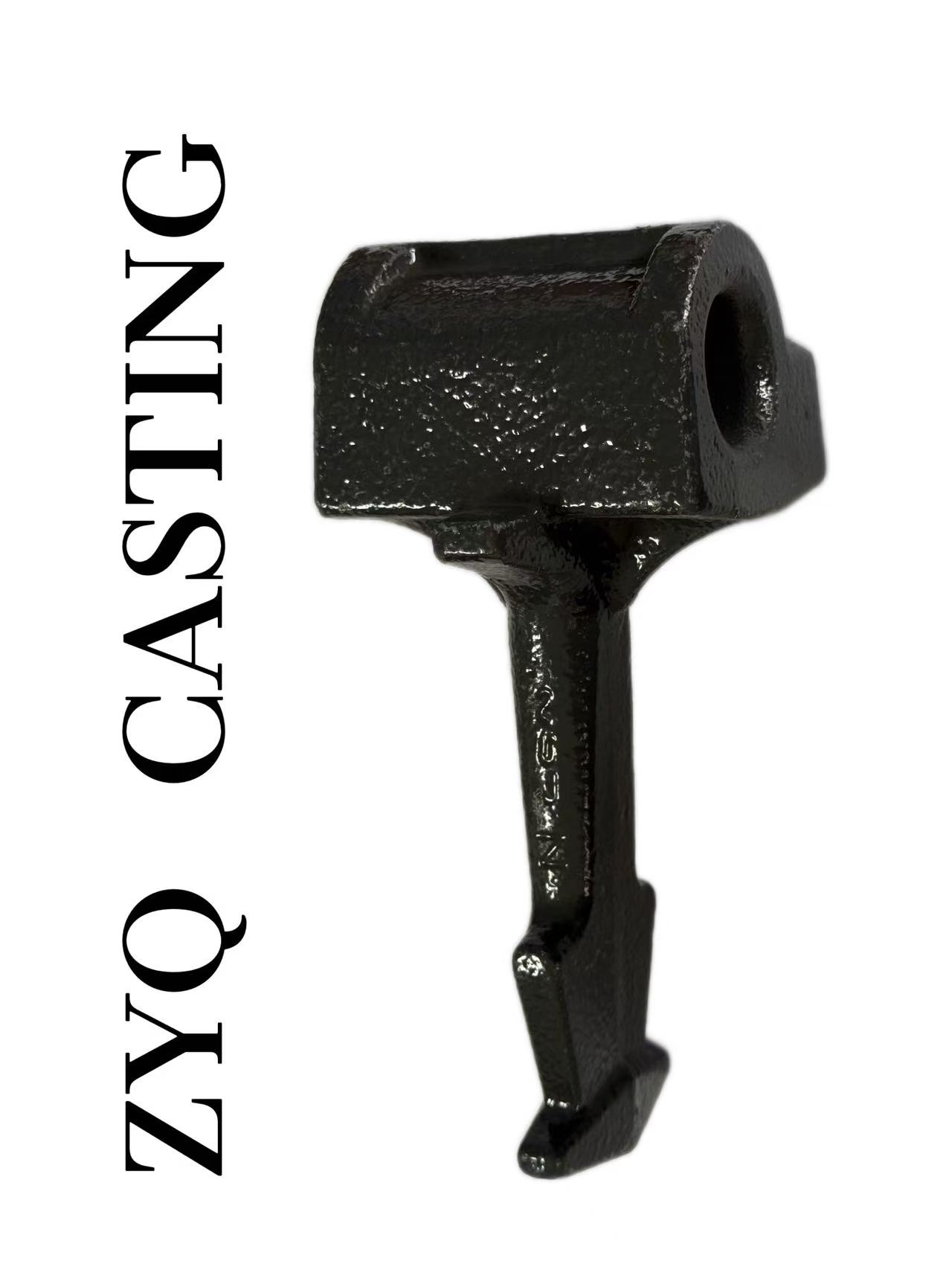
When a valve body or pump housing fails early, the root cause is rarely a single event. It usually comes down to a material choice that was made to save a few dollars upfront. For metal parts, pay attention to more than just the grade number. A 316 stainless steel casting can vary widely depending on the foundry, the amount of ferrite, and whether it was solution annealed properly. Look for evidence of porosity, rough internal surfaces, or mismatched composition certificates. If the service involves chlorides, acids, or high temperature, moving to a duplex alloy, Hastelloy, or titanium may be the only way to avoid pitting and stress corrosion cracking.
Seals are where cheap choices show up fastest. A basic nitrile O-ring might hold pressure on the test bench, but once it meets hot water, ozone, or a trace solvent, it swells or hardens within weeks. Instead of guessing, request the full chemical compatibility chart from the seal manufacturer, not just the marketing summary. For dynamic applications, pay close attention to compression set, hardness, and extrusion resistance. FKM is a workhorse for many oils and fuels, but it fails badly with steam or certain amines. PTFE offers broad chemical resistance but has poor elasticity, so it often needs an energizer spring or a backup ring.
The real cost of skimping shows up in downtime, not on the invoice. A metal seat that erodes after a few thousand cycles or a seal that leaks during a cold start can shut down an entire line. When comparing suppliers, ask for specific examples of how their materials performed in similar media, not just a generic ISO or ASTM reference. If a vendor cannot tell you the difference between two grades of stainless or the temperature limit of their elastomer, walk away. Spending more on the right metal and the right seal is rarely the most expensive option in the long run.
Cheap Parts Can Cost You a Season: The Real Price of Cutting Corners
That no-name ball joint or discount drive belt might look the same on the shelf, but the material specs and tolerances are rarely even close. A few dollars saved at the counter often become a failed part at the worst possible moment—halfway through planting, mid-race, or a hundred miles from the nearest shop.
Downtime is the hidden bill nobody quotes. A forty-dollar savings on a bearing can wipe out a full weekend of work, force you to rent equipment, or leave a narrow harvest window closing fast. And when a cheap part lets go, it often takes a neighboring component with it, turning a small repair into a major teardown before you even get towed back.
There’s a reason factory or heavy-duty replacements cost more: proper heat treatment, real quality control, and materials that hold up under load aren’t optional extras. When your income or your season depends on the machine running, the true price of a bargain part is measured in lost time, missed opportunities, and repair bills you never planned for.
How to Vet a Supplier Without Leaving Your Farm
You don't need a plane ticket to tell if a supplier is solid. Start by asking for a live video walkthrough of their operation—not a polished promo clip, but a phone or tablet tour where you can ask to see inventory tags, loading docks, or the actual seed lot numbers. If they hesitate or keep the camera pointed at a wall, that tells you plenty. Follow up with a small paid sample order before committing to a full pallet. It's slower than clicking "buy now," but a few bags of feed or a test batch of chicks will reveal more about their handling, packaging, and honesty than any catalog.
Also lean on networks you already trust. Call other farmers in your co-op or local growers' group and ask who they've actually used—not just who they've heard of. Request the supplier's three most recent customers within your region and call them directly. Ask what went wrong, not just what went right. And don't skip the paperwork: pull their business registration, check for recalls or liens through state agriculture departments, and compare their stated production dates against the lot codes on the samples they send. A supplier who is organized enough to hand over those details without squirming is usually organized enough to keep your farm running.
Real-World Wear: What Failed Parts Can Teach You
A cracked bearing race pulled from a tractor axle tells a story no lab simulation can match. The wear pattern isn't uniform — it's heavier on one edge, with tiny pits clustered where lubrication thinned out under load. That asymmetry points to a misalignment that developed weeks before the part finally seized, not a sudden overload. If you only look at the final break, you miss the long, quiet degradation that made failure inevitable.
Field-returned components often carry embedded grit, corrosion blooms, and heat discoloration that reveal operating conditions far outside the design spec. A piston scored on one side suggests a coolant passage blocked near that cylinder, while a snapped valve spring with beach marks on the fracture face indicates fatigue from high-cycle vibration, not a manufacturing flaw. These signatures are like fingerprints — once you learn to read them, they point directly to the root cause instead of letting you blame the material.
The real lesson from failed parts is that they are honest records of the machine's life. Unlike predictive models, which assume clean inputs, a worn gear tooth or a fretted spline carries the actual history of dirt, misalignment, idle periods, and operator habits. Collecting and comparing these worn parts across a fleet can reveal systemic weak points that never show up in a test cell — like a specific bolt loosening after 400 hours due to thermal cycling, or a seal hardening only in cold-start conditions. Ignoring that evidence means repeating the same failure, just with newer parts.
Warranty and Support: The Fine Print That Saves You Later
Most people skip the warranty page until something breaks, and by then the window for free repair has often already closed. The real value hides in details like whether the coverage includes both parts and labor, if shipping is covered both ways, and how long you have to report a defect after noticing it. A “lifetime” warranty might sound generous, but if it only covers manufacturing flaws and not normal wear, you could be left paying out of pocket for a replacement.
Support terms are just as easy to misread. A company may promise 24/7 assistance, but that could mean an automated chatbot at midnight and a real technician only during business hours. Look for specifics: response time guarantees, whether phone support is toll-free, and if remote diagnostics are available. Some brands quietly limit support to the original owner, so a secondhand purchase may have no safety net at all.
Before you click “buy,” take five minutes to scan the warranty and support section the way you would a rental agreement. Note what’s excluded, how to file a claim, and whether you need to register the product within a certain timeframe. The fine print isn’t there to trick you—it’s there to set expectations, and knowing those expectations upfront can save you a lot of money and frustration later.
FAQ
Start by verifying the supplier's manufacturing certifications and how long they have been serving farms similar to yours. Ask for part samples or visit their workshop if possible, because a reliable supplier usually has no issue showing you their tolerance reports and material sourcing.
Don't rely only on the part number. Take clear photos of the mounting points, measure bolt spacing, and compare hydraulic port threads against the old component. A good habit is to request a dimension drawing from the seller before paying, and keep a spare worn part to match side-by-side.
Sometimes yes, but only for low-stress components like fenders, seat brackets, or grilles. For load-bearing items like PTO shafts, gearbox internals, or hydraulic cylinders, cheap aftermarket parts often use softer steel or thinner walls. If the price feels too good, ask what alloy or grade of material is used and look for independent wear test results.
Look for hairline cracks near welds, uneven wear patterns on bushings, rust pitting inside bearing seats, and any signs of heat discoloration from previous repairs. A part that has been welded more than once or shows fresh paint over old damage is a red flag, even if the price is low.
Very important, but read the fine print. A reliable warranty should cover premature failure due to material or workmanship for at least one full harvest season, not just 30 days. Also ask who pays for return shipping and whether the supplier covers labor or downtime, because a part that fails during peak harvest costs far more than the part itself.
Ask for the specific steel grade, such as boron steel or 65Mn, and the hardness range in Rockwell C. For tillage points and sweeps, ask if the edge is induction hardened and how deep the hardened layer goes. Supplying farmers who hit rocks will need deeper hardening than those working soft soil, so avoid suppliers who can't answer these basics.
Partly, but many reviews are either too old or written by people who installed the part incorrectly. Instead of star ratings, look for repeated complaints about the same failure mode, like premature bearing wear or seal leaks, across different forums. Also ask the supplier for contact information of a few current customers in your region and call them directly.
Order a small batch of wear items first, like disc blades or cultivator shovels, and run them on one machine for a few weeks. Compare their weight, thickness, and wear rate against your current brand. If the supplier passes that test, gradually move more critical parts to them. This way you build trust without risking a major breakdown during planting or harvest.
Conclusion
Before you order a single bearing or belt, pull the original part numbers and measure the mounting points, shaft diameters, and thread pitches. A “will-fit” listing that almost matches can ruin a gearbox or shear a spline, so treat your operator’s manual as the first tool in the box. When you compare options, don’t be fooled by a shiny price tag. Ask what the metal actually is: cast versus forged, heat-treated or not, and whether seals are nitrile, polyurethane, or cheap rubber. A lower upfront cost often hides thinner flanges, softer bushings, and seals that crack after one cold snap. That “bargain” disc blade can snap mid-season, leaving you with a day of downtime that costs far more than the part you saved on. In heavy tillage or high-vibration areas, a failed part rarely fails alone—it takes out bearings, housings, and sometimes the whole shaft.
Vetting a supplier doesn’t have to mean driving to a warehouse. Call them and ask for the heat lot or material certificate, not just a sales pitch. If they can’t tell you where the part was made or what standard it meets, move on. Real-world failures are your best teacher: keep the broken parts, photograph the wear pattern, and share that with a supplier who asks questions instead of pushing a catalog page. Finally, read the fine print on warranty and support before you need it. A 90-day warranty on a tillage disc is a warning sign, while a supplier who stands behind their product for a full season—and answers the phone when you call from the field—is worth the extra few dollars. The goal isn’t to buy the cheapest part; it’s to buy the one that keeps your tractor in the field when the weather window is closing.
Contact Us
Contact Person: Nico Yin
Email: [email protected]
Tel/WhatsApp: 8618561567088
Website: https://www.ductileironparts.com/